How to Take Care of a Chinchilla: A Complete Beginner’s Guide
Taking care of a chinchilla comes down to a handful of basics: a cool room, a tall wire cage, unlimited hay, regular dust baths, and plenty of patience. Get those right and a chinchilla can share your home for 10 to 20 years.
I’ve laid everything out below in the order that matters most, starting with the one thing new owners tend to underestimate. At the end, you’ll find a simple daily, weekly and monthly routine that’s easy to stick to.
Chinchilla Care at a Glance
| Care Area | What Your Chinchilla Needs |
|---|---|
| Room temperature | A steady 55°F to 70°F (13°C to 21°C), never above 80°F (27°C) |
| Humidity | Kept low, ideally below 50% |
| Cage | At least 24 x 24 x 48 inches, with bar spacing of 1 inch or less |
| Main food | Unlimited fresh grass hay, such as Timothy, orchard or meadow hay |
| Pellets | About 2 heaping tablespoons of plain chinchilla pellets a day |
| Treats | Tiny amounts, once or twice a week, under 10% of the diet |
| Water | Fresh water every day in a sipper bottle |
| Grooming | Dust baths 2 to 3 times a week, never water baths |
| Vet care | A yearly checkup with an exotic animal vet |
Start With the Right Temperature
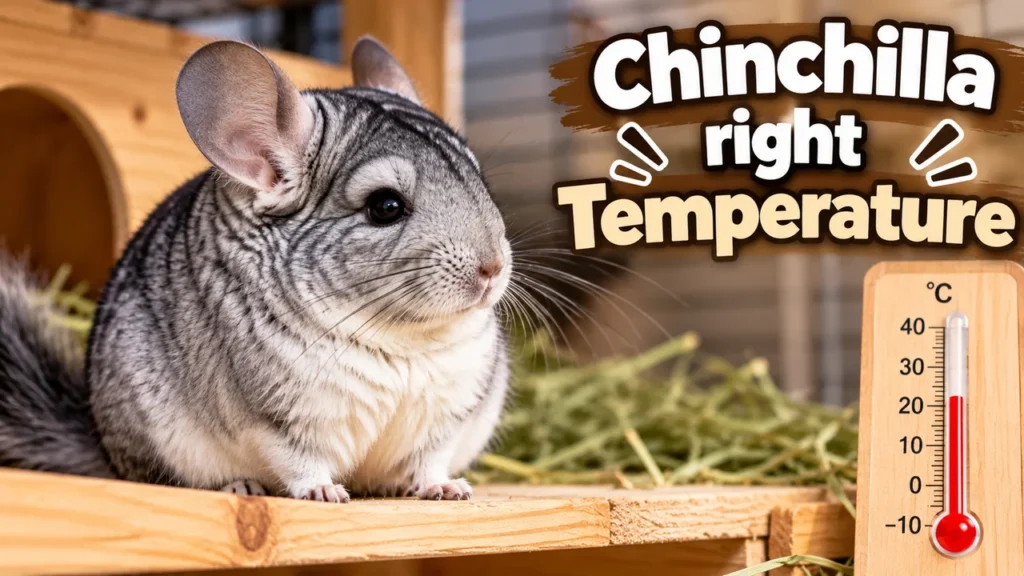
If you remember only one thing from this guide, make it this: chinchillas handle cold far better than heat. Their fur is the densest of any land animal, which kept them warm high in the Andes but turns a stuffy living room into a real danger.
Aim for a steady 55°F to 70°F and keep humidity low. Once a room creeps toward 80°F, a chinchilla can overheat quickly, so homes with hot summers need reliable air conditioning.
Place the cage away from windows, radiators, heat vents and drafty doors. A cheap thermometer and hygrometer hung next to the cage takes the guesswork out of it. For exact limits, see what temperature is too hot for a chinchilla.
Red ears, panting, drooling or a chinchilla lying limp and stretched out are heat stress warning signs. Move them somewhere cooler and call a vet the same day.
Set Up a Cage Built for Jumping
Chinchillas are natural athletes. They can spring several feet straight up, so height matters just as much as floor space.
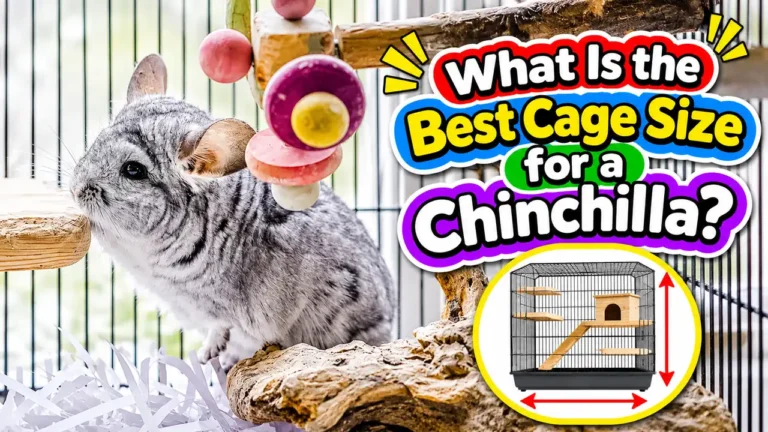
A multi-level wire cage of at least 24 x 24 x 48 inches is a sensible minimum for one chinchilla, and bigger is always better. Our guide to the best cage size for a chinchilla goes into more detail. Keep bar spacing at 1 inch or less, because these little escape artists can squeeze through surprisingly small gaps.
Inside, add wide wooden shelves at different heights, a hideout or two, and a hay rack. Skip plastic accessories, since anything plastic will get chewed and swallowed sooner or later.
Flooring and Bedding
Wire floors are hard on small feet and can cause sores over time. Use a solid floor or a pull-out plastic tray, then cover it with paper bedding or fitted fleece liners.
Stay away from cedar and other strongly scented wood shavings. The oils can irritate a chinchilla’s airways, and some chins will happily snack on loose bedding.
Feed Hay First, Everything Else Second
Hay should make up most of what your chinchilla eats every single day. Grass hays like Timothy, orchard grass or meadow hay keep the gut moving and wear down teeth that never stop growing.
Pellets come next. Around two heaping tablespoons of plain, chinchilla-specific pellets a day is a common guideline for an adult, and “plain” is the important word. Colorful mixes with seeds, nuts, corn or dried fruit are too fatty and sugary for this little digestive system.
Treats should be rare and tiny, like a single rose hip or a pinch of dried herbs once or twice a week. Never offer chocolate, caffeine, nuts, seeds, raisins, or anything salty or high in fat.
Water
Fresh, clean water belongs in a glass or chew-proof sipper bottle, changed daily. See how much water a chinchilla needs daily for typical amounts. Tap the spout each morning, since a blocked bottle can leave a chinchilla thirsty without you noticing.
Dust Baths, Not Water Baths
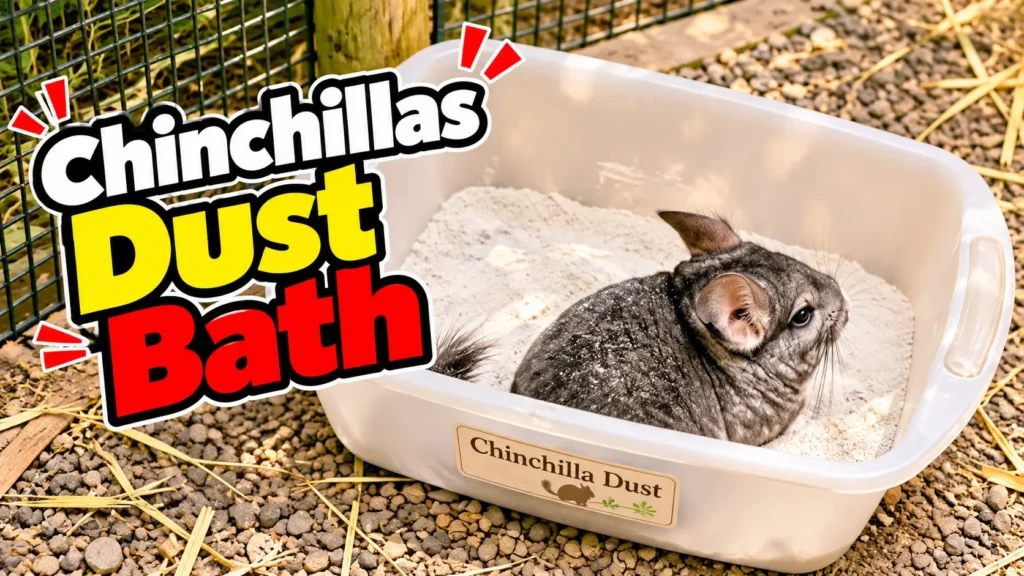
Chinchillas keep clean by rolling in fine dust, which soaks up oil and dirt from deep in their coats. It’s one of the most entertaining parts of ownership, and if you’ve wondered why chinchillas roll in dust, it’s pure instinct from life in dry mountain terrain.
Offer a deep container with a couple of inches of chinchilla-safe dust two to three times a week. Leave it in for a short session, roughly 10 to 15 minutes, then remove it so it doesn’t turn into a toilet.
Never bathe a chinchilla in water. Their fur takes a very long time to dry, and damp fur raises the risk of fungal skin problems.
Keep Those Teeth Busy
A chinchilla’s teeth grow for life, so gnawing isn’t a bad habit at all. It’s how they stay healthy, and it’s exactly why chinchillas chew everything they can reach.
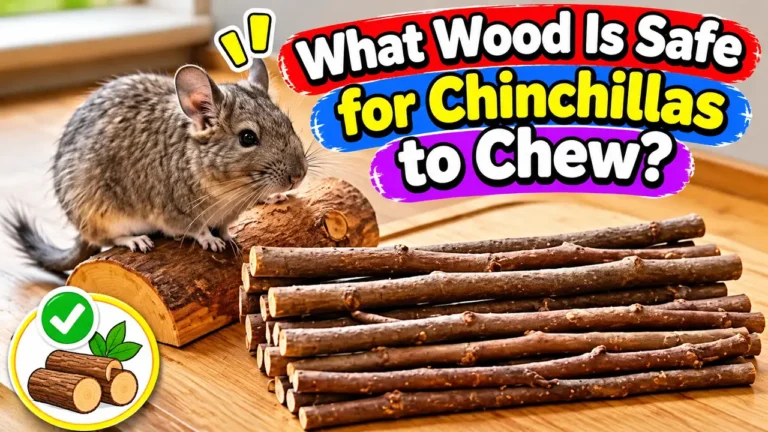
Good chew options include apple wood sticks, kiln-dried pine blocks and pumice stones. Avoid cedar, cherry and redwood, along with anything painted, glued or treated.
Before playtime, chinchilla-proof the room. Electrical cords, baseboards, books and houseplants all look like snacks to a curious chin.
Handling and Building Trust
As prey animals, chinchillas see a hand swooping in from above as a possible threat. Expect a new pet to stay cautious for the first few weeks, and remember that hiding from you is a normal part of settling in.
Give a new arrival about a week before trying to handle them. After that, sit near the cage, talk softly and let them come to you, offering a tiny treat from an open palm instead of chasing.
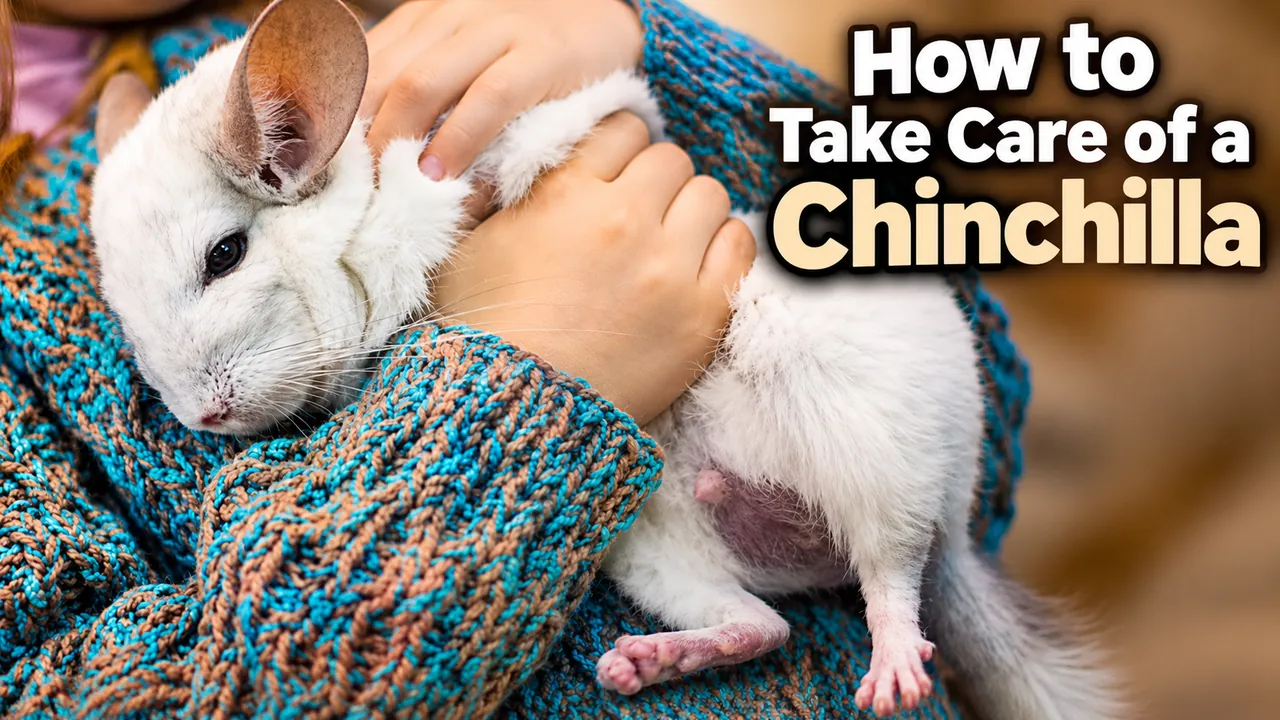
When it’s time to lift them, scoop gently from underneath and support the back end. Never grab the tail or legs, because their bones are light and easy to injure.
Most chinchillas prefer exploring to cuddling. Daily supervised playtime in a safe room gives them exercise and lets the bond grow on their terms.
[Add your own note: one thing that helped your chinchilla trust you faster.]
Your Chinchilla Care Routine
This simple schedule keeps everything on track without taking over your day.
Every Day
- Top up hay and pellets, and refresh the water.
- Spot-clean wet bedding and droppings from the corners.
- Check that your chinchilla is eating, drinking and producing normal droppings.
- Glance at the room thermometer.
- Offer supervised playtime, ideally in the evening when chins are most awake.
Every Week
- Change all the bedding or swap in clean fleece liners.
- Wipe down shelves, ledges and the cage tray.
- Put the dust bath in on two or three different days.
- Rotate chew toys so the cage stays interesting.
Every Month
- Deep clean the whole cage with a pet-safe cleaner and let it dry completely.
- Replace worn wooden shelves and well-chewed toys.
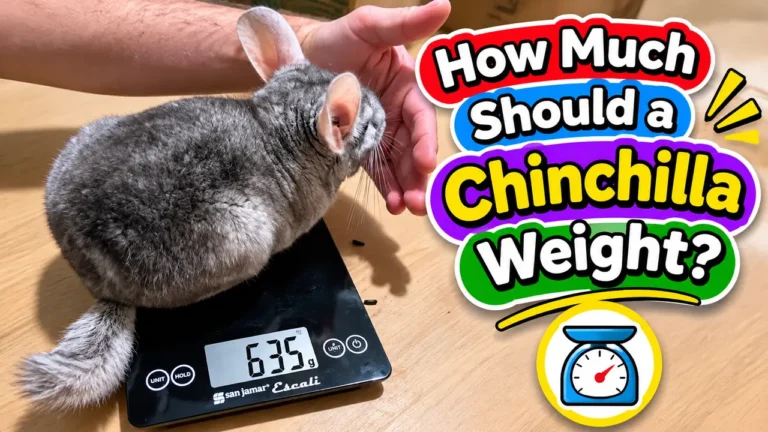
- Weigh your chinchilla on a kitchen scale and write it down, since sudden weight loss is an early warning sign.
- Take a close look at teeth, eyes, ears and feet.
Health Checks and Finding an Exotic Vet
Chinchillas are experts at hiding illness, so small changes deserve your attention. Find an exotic animal vet before you need one, because many regular clinics don’t treat chinchillas.
Book a checkup soon after bringing your pet home, then once a year after that. Call your vet promptly if you notice any of the following:
- Eating much less hay or pellets, or nothing at all
- Few, tiny or no droppings for several hours
- Drooling or wet fur around the chin
- Diarrhea or very soft droppings
- Watery, cloudy or crusty eyes
- Bald patches or sudden fur loss
- Labored breathing or a hunched posture
- Red ears, panting or sluggishness in warm weather
Don’t give any medication without a vet’s advice. Plenty of common drugs that are fine for people or dogs aren’t safe for chinchillas.
Mistakes New Owners Often Make
The biggest one is keeping the cage in a warm, sunny spot. A close second is buying colorful pet store mixes that look healthy but are loaded with sugar and fat.
Other common slip-ups include water bathing, choosing a cage that’s too short, and expecting a lap pet. It also helps to know their body clock: a chinchilla that sleeps during the day and runs around at night is perfectly normal.
Dig Deeper Into Each Topic
This guide covers the essentials, and each of these articles goes further into one part of chinchilla care:
- Getting started: is a chinchilla a good pet, how long chinchillas live, what a chinchilla looks like and how big chinchillas get
- Food and water: what chinchillas can eat every day, safe treats, why a chinchilla stops eating hay and daily water needs
- Housing: the best cage size, the best bedding, how often to clean the cage and whether chinchillas need an exercise wheel
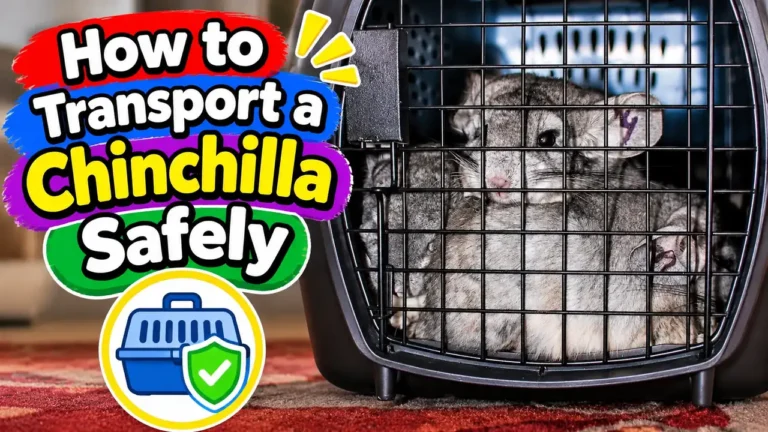
- Handling and company: how to pick up a chinchilla safely, how to transport a chinchilla and whether chinchillas need a companion
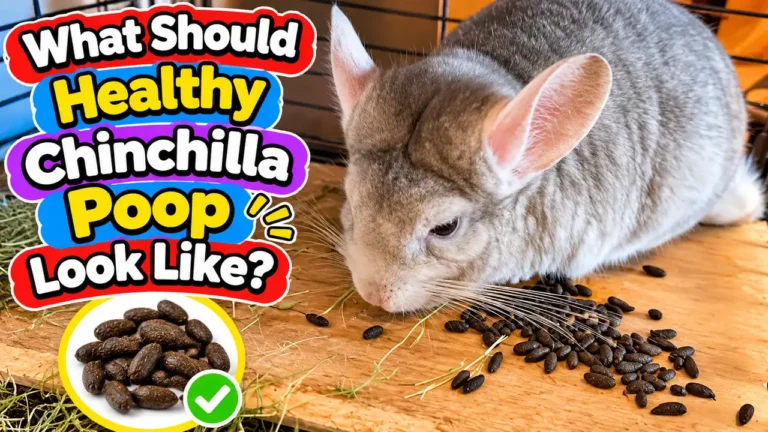
- Health checks: healthy weight ranges, safe wood to chew, what temperature is too hot and what healthy poop looks like
One Last Tip
Keep a short note on your phone with your chinchilla’s weight, appetite and anything unusual. Patterns are far easier to spot once they’re written down, and those notes give your vet useful details if something ever changes.