Why Does My Chinchilla Sleep During The Day?
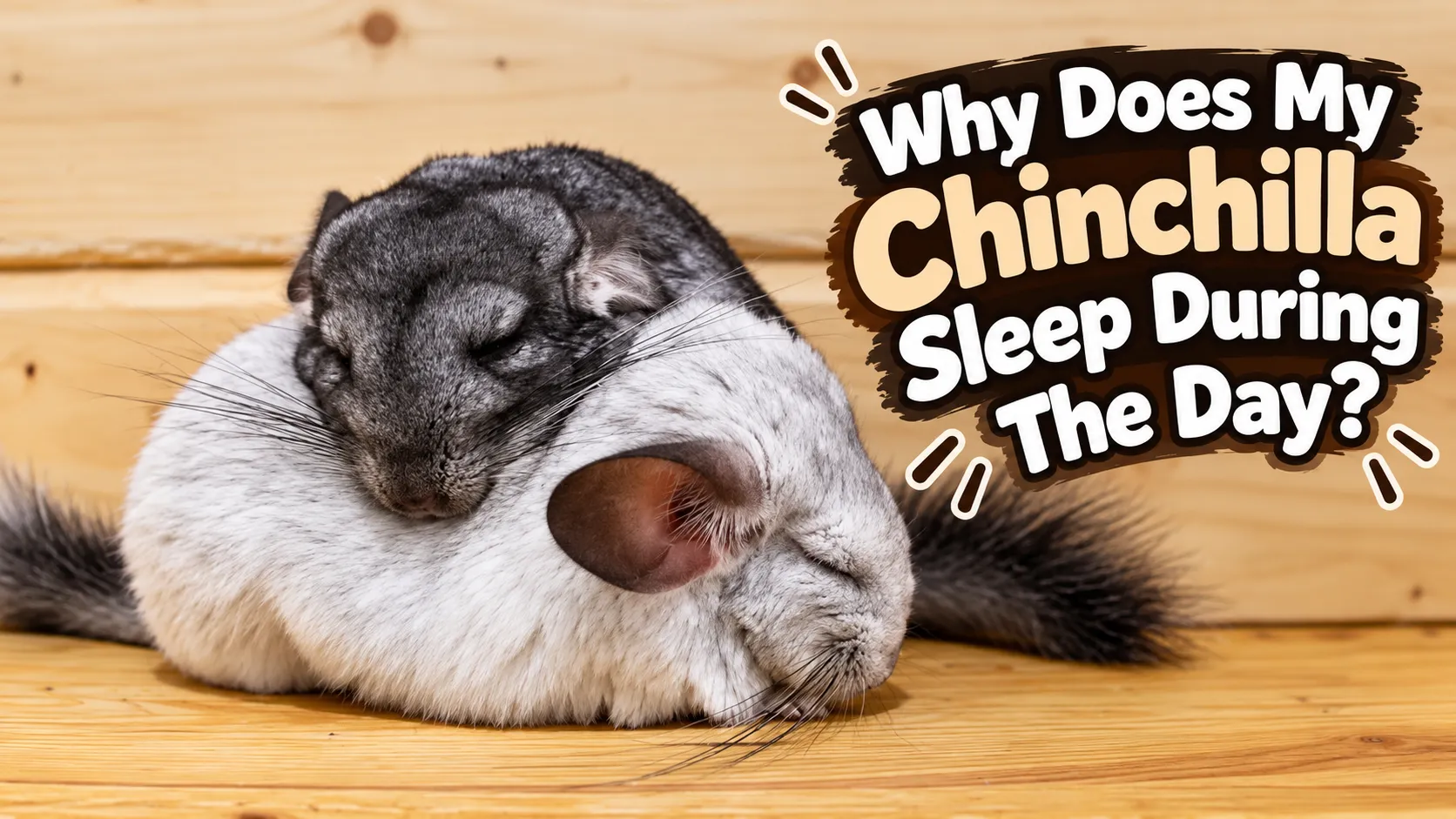
Chinchillas naturally sleep a lot, and they are crepuscular, meaning many are most active around dawn and dusk. So daytime dozing can be completely normal, especially when your room is bright, quiet, and cool. The key is the pattern, your chinchilla’s body language, and whether sleep is paired with normal appetite and movement. This guide helps you sort typical daytime sleep from warning signs that mean a veterinary check.
Crepuscular Nature And Normal Rest
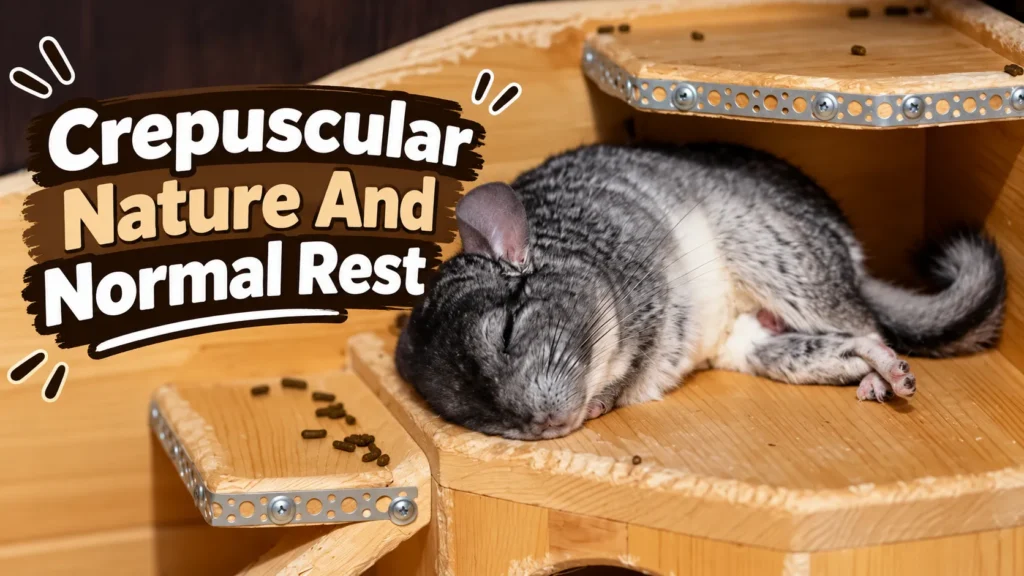
Chinchillas have evolved to be active when light is low. That means many will sleep through the middle of the day and perk up later. In a calm, well set up environment, they may nap in a hammock, curl in a hide, or rest in a corner where they feel secure. Daytime sleep becomes less concerning when your chinchilla wakes readily, eats normally, and shows usual curiosity during their active windows.
It also helps to understand that “sleeping” in chinchillas often looks different from cats and dogs. They can appear very still, and you might notice brief wake-ups without fully jumping into activity. A relaxed posture, normal breathing, and warm, coordinated movements when they do get up are good signs.
Watch for a shift from “mostly sleeping during light hours” to “sleeping more than usual and not bouncing back.” That change is the clue you are looking for.
Sleep Cycles And Daily Activity Patterns
Many chinchillas alternate between short bursts of activity and longer rest. Even if your pet seems sleepy during the day, they may be storing energy for grooming, exploring, and play later. Their routines are influenced by household noise, your light schedule, and how predictable their environment is. If you work daytime hours and the house is quiet, your chinchilla may learn that the day is a good time to rest.
To interpret the pattern, track it like a log for several days. Note when your chinchilla wakes, eats, uses the dust bath, and runs on the exercise wheel. A consistent routine with normal eating and normal droppings typically points to normal rest.
For kits, teens, and seniors, baseline can vary. Younger chinchillas may sleep less consistently and explore more in the day, while older chinchillas may nap longer. Compare the pattern with your chinchilla’s usual routine and life stage.
Environment Factors That Cause Daytime Naps
Chinchillas are sensitive to stress and temperature extremes. Bright light, strong household activity, and loud sounds can make them seek cover, leading to more daytime napping. On the other hand, a very sleepy chinchilla may simply be responding to warmth or comfort in their favorite resting spot. If their bedding, hiding area, and airflow are appropriate, they will often choose rest when the home is calm.
Room temperature and ventilation matter. If a chinchilla is too warm, they may rest more, breathe more slowly, or look flattened and unresponsive. Heat can be dangerous for chinchillas, so it is important to treat “more sleep plus reduced movement” with caution.
For kits under 6 months, environmental changes can cause more dramatic rest shifts because they are still learning the routine. For adults (1 to 7 years), small schedule changes can shift activity by a few hours. For seniors over 7 years, warmth and comfortable resting areas often matter more, but any new reduction in appetite still warrants attention.
Comfort, Stress, And Feeling Safe
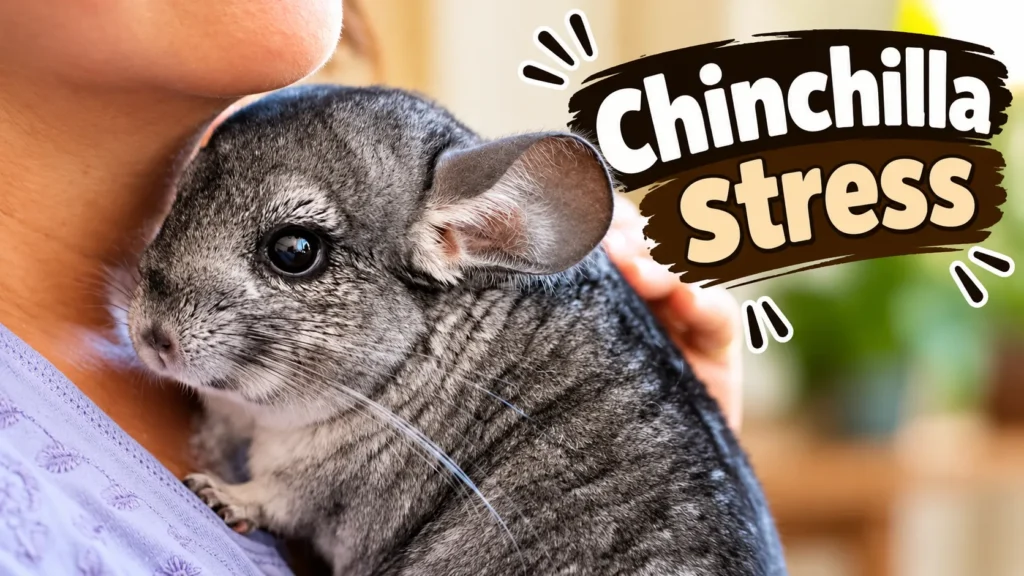
Stress changes rest patterns. A chinchilla that feels unsafe may sleep more during the day to avoid interaction, or it may sleep lightly and stay tucked away. Common stressors include frequent handling by multiple people, sudden moves near the cage, other pets staring or pawing at the enclosure, and cage placement in a high-traffic hallway.
Comfort is more than “having a cage.” It includes enrichment that matches their natural behaviors. Chinchillas need opportunities to chew safely, hop and stretch, and dust bathe. Without appropriate outlets, they may seem lethargic or revert to excessive resting.
Training matters here too. Positive, low-pressure routines reduce stress, which can improve nighttime activity and daytime calm. For kits under 6 months, use extra patience and avoid chasing them around. For seniors over 7 years, minimize changes and keep the cage in the same location whenever possible.
Illness Signs That Can Look Like “Just Sleeping”
Sometimes daytime sleeping is your chinchilla’s way of coping with feeling unwell. A chinchilla that is truly sick may still rest, but it often shows accompanying changes. Watch for decreased appetite, fewer droppings, a hunched posture, strained breathing, drool, wetness around the mouth or nose, or a drop in grooming. Any one of these plus persistent lethargy deserves prompt veterinary advice.
Because chinchillas are small and sensitive, early intervention matters. Schedule a vet check if the abnormal sleep pattern lasts more than 24 to 48 hours, especially if you see any appetite or droppings changes. Waiting can allow issues to progress.
| What you might notice | More normal | Needs a vet check |
|---|---|---|
| Daytime rest | Napping during light hours, wakes and eats later | Sleeping through expected active times |
| Appetite | Eating hay and pellets as usual | Reduced eating or refusing favorites |
| Droppings | Normal amount and consistency | Fewer droppings or very abnormal size/shape |
| Body posture | Relaxed, alert when awake | Hunched, weak, or unresponsive |
| Breathing | Quiet, steady | Labored breathing, unusual noises |
If you see labored breathing, extreme weakness, or no interest in eating, contact your vet promptly (and treat it as urgent).
Feeding, Hay Intake, And Energy Levels
Feeding is the most practical way to judge whether sleep is normal. Chinchillas rely on high-fiber hay for gut health and dental wear. When hay intake drops, chinchillas may become quiet and rest more. Inadequate food access, a dirty feeder, or a sudden change in hay brand can reduce eating and shift activity levels toward sleep.
Use a consistent feeding routine. For adult chinchillas, a common approach is to offer unlimited quality grass hay and provide a measured amount of pellets daily. Because exact pellet and hay types vary by brand, rely on the label guidance for your specific product and keep hay available all day. Offer fresh water daily, and clean bottles or bowls so they flow well.
For kits under 6 months, monitor intake more closely because growth requires steady nutrition. For adults (1 to 7 years), keep routines stable to avoid appetite dips. For seniors over 7 years, watch for dental discomfort signs that reduce chewing, which can lead to lethargy and extra sleeping.
Record any sustained appetite change and share it with your vet.
Dust Bath Timing And Enrichment Routines
Dust bathing often happens when chinchillas are active, so you may see more daytime rest when baths are happening at nightfall. That can be fine, especially if your chinchilla still dust bathes, chews, and explores during their preferred hours. The goal is a reliable routine that matches their natural cycle.
Enrichment affects sleep too. If a chinchilla has access to safe chew items, appropriate wheel use (if used), and a spacious-enough environment for short bursts of movement, they are less likely to conserve energy in a “shut down” way. If enrichment is missing or stressful (for example, a wheel that scares them or noisy items), they may withdraw.
For kits under 6 months, keep dust baths supervised at first and ensure they can easily settle afterward. Adults (1 to 7 years) often do best with consistent timing. Seniors over 7 years may prefer shorter, calmer sessions, so watch for balance or discomfort.
Keep the routine consistent and observe whether your chinchilla resumes normal activity afterward.
When To Adjust The Schedule And When To Call The Vet
You can help your chinchilla by creating a predictable light and noise pattern. Reduce bright daytime exposure if it seems to trigger hiding. Keep household sounds steady, and avoid sudden changes like rearranging furniture right next to the cage. Gentle daily interaction, like offering favorite hay treats at the same time, can help them feel safe and encourage natural evening activity.
Continue observing the pattern after environmental changes, and contact the clinic promptly when the change is severe or progresses quickly. A vet check might cost a basic exam fee plus any needed diagnostics, and the total varies widely by region and situation, so ask your clinic what they anticipate.
For kits under 6 months, err on the side of quicker contact because they can decline faster. For adults, a single odd day may be environmental, but persistent changes need evaluation. For seniors over 7 years, new lethargy should be treated as a medical question rather than a lifestyle change.
Quick Summary
Daytime sleep is often normal for chinchillas because they are crepuscular and rest during brighter, quieter hours. Use your chinchilla’s usual routine and environment as the baseline, and seek prompt veterinary care for severe or rapidly worsening changes.
FAQ
Is It Normal For Chinchillas To Sleep All Day?
Many chinchillas nap through the day and still be healthy, especially when they become active around dawn or dusk. Sleeping through expected active times or appearing weak is not typical.
Why Is My Chinchilla Suddenly More Sleepy?
A sudden change can come from stress, schedule or light changes, temperature discomfort, or a health issue. Review recent environmental changes and compare the behavior with your chinchilla’s normal baseline.
Can Stress Make A Chinchilla Sleep More?
Yes. Stress can push chinchillas to hide and conserve energy, which may look like extra daytime sleeping. Keep handling gentle and predictable, reduce cage placement changes, and prevent other pets from interacting with the enclosure.