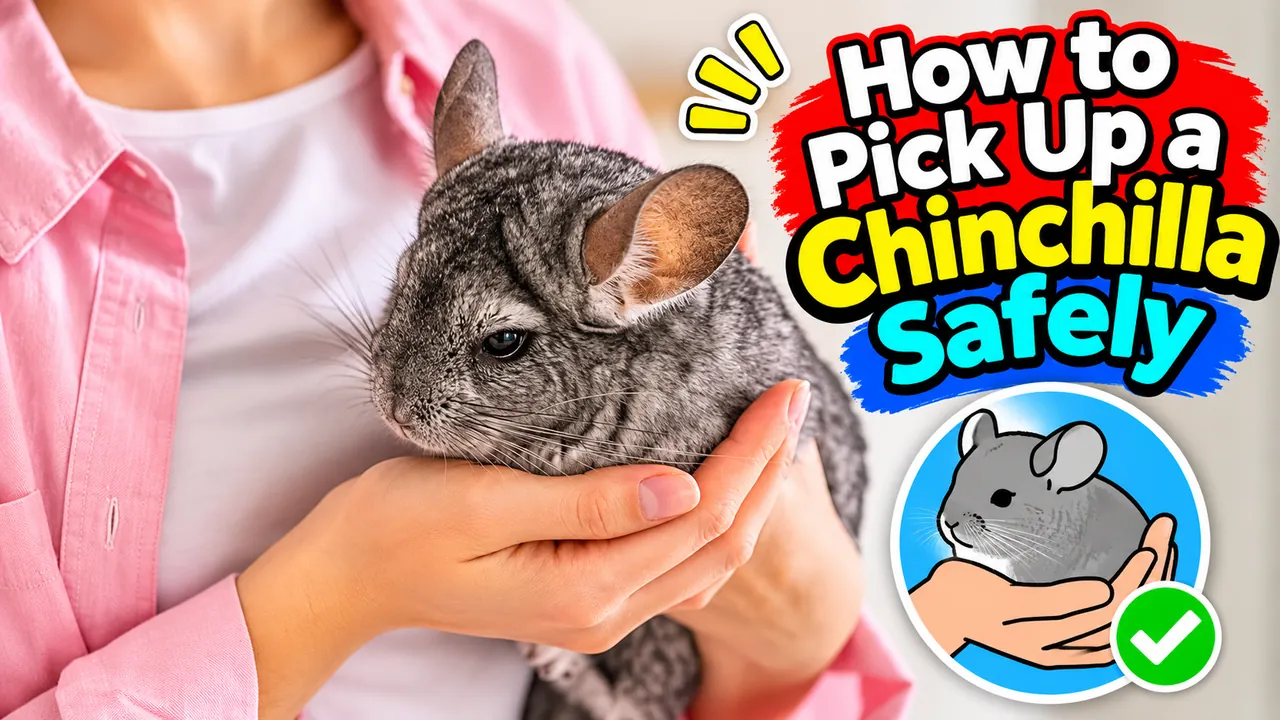
How to Pick Up a Chinchilla Safely: Step-by-Step Handling Guide
To pick up a chinchilla safely, slide one hand under its chest, use the other to support its back end, and lift slowly while keeping it close to your body. Move calmly, never squeeze, and never lift by the fur, legs or the length of the tail.
It sounds simple, but chinchillas are quick, wriggly and much more fragile than their fluffy coats suggest. A good technique protects their bones, their fur and your growing bond.
Why Handling a Chinchilla Takes Extra Care
Under all that fur is a light body with delicate bones. A tight grip can hurt their ribs, and a fall from standing height can break a leg.
They also have a built-in escape trick called fur slip. When grabbed roughly, a chinchilla can release a clump of fur, and that patch can take months to grow back, sometimes in a slightly different shade.
On top of that, chinchillas are prey animals. Being lifted from above feels like being caught by a predator, which is why patience matters as much as technique.
Before You Try: Build Trust First
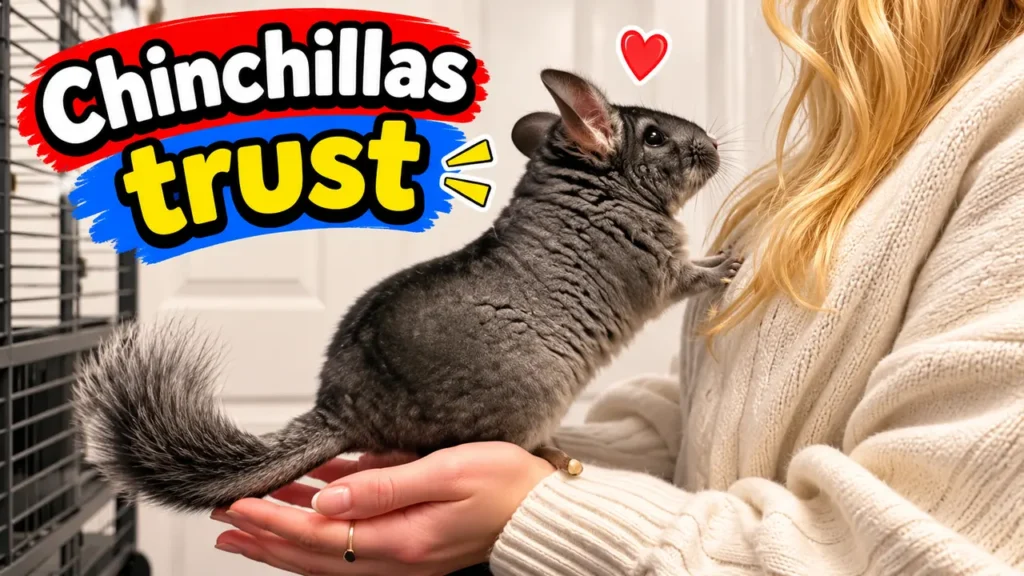
Give a new chinchilla at least a week to settle in before handling it. Rushing this step often leads to a chin that runs away when you approach.
| Stage | What to Do |
|---|---|
| Days 1 to 7 | Sit near the cage, talk softly, no reaching in |
| Week 2 | Offer a small treat through the open door on a flat palm |
| Week 3 | Let your chin climb onto your hand or arm inside the cage |
| Week 4 and beyond | Try short, gentle lifts close to the floor |
Every chinchilla moves at its own pace. Some are ready in days, while shy ones can take a couple of months.
Step by Step: The Basic Scoop
- Approach from the side or front. Move slowly and let your chinchilla see your hands coming, never swooping in from above.
- Slide one hand under the chest. Your palm sits just behind the front legs, with fingers lightly around the body.
- Support the back end. Place your other hand under the hindquarters so the back legs have something to push against.
- Lift slowly and low. Raise your chinchilla just a little at first, keeping your hands close to the cage floor.
- Bring it close to your body. Hold it against your chest or stomach so it feels secure and can’t leap far.
- Keep the hold short. A minute or two is plenty early on, then return your chin gently to the cage.
Other Holds That Work
The football hold
Cradle your chinchilla along one forearm with its head toward your elbow and its body tucked against your side. Your other hand rests gently over its back, which makes it hard to kick free.
The tail-base support hold
Vets and experienced breeders sometimes hold the very base of the tail, right where it meets the body, while the other hand fully supports the chinchilla’s weight. This gives control during nail checks or vet exams.
The key words are base and support. Never lift a chinchilla by its tail alone, and never hold further along the tail, since the tail can be badly injured.
Letting your chin step up
For a tame chinchilla, the gentlest method is often to let it hop onto your flat hand or forearm. Then bring your other hand around for support before you lift.
Never Do This
- Grab a chinchilla from above or chase it around the cage
- Pick it up by the fur, the scruff of the neck or a leg
- Lift it by the tail alone or anywhere past the base
- Squeeze the chest or belly to stop it wriggling
- Hold it high in the air over a hard floor
- Hold a pregnant chinchilla by the tail, or handle her more than needed
- Let young children lift a chinchilla without close adult help
If Your Chinchilla Squirms or Jumps
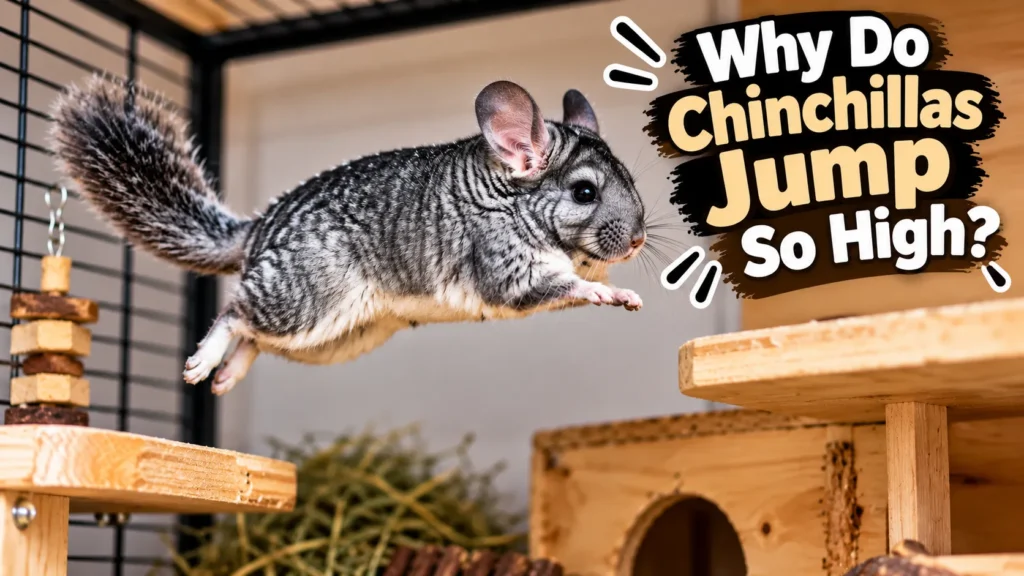
Stay calm and lower your hands toward the floor or cage straight away. A chinchilla that jumps from a low height is far safer than one dropped from your chest.
If it starts to struggle, don’t tighten your grip, since that’s when fur slip and rib injuries happen. Instead, set it down, wait a bit and try again another day.
Some chinchillas freeze when scared rather than wriggle. A stiff, motionless chin is stressed, not calm, so end the session gently.
What to Do About Fur Slip
If a patch of fur comes away in your hand, don’t panic. The skin underneath is usually fine, and the fur grows back over the following months.
Keep the area clean and dry, and offer a calm, quiet space afterward. If the skin looks red, broken or sore, have an exotic vet take a look.
Handling Tips for Kids
Children can enjoy chinchillas safely with the right setup. Have them sit cross-legged on the floor and let the chinchilla come to them, instead of lifting it at all.
If a child does hold one, an adult should do the lifting and place the chin in the child’s lap. Teach them that a nip usually means “put me down,” and here’s more on why chinchillas bite.
[Add your own note: the hold your chinchilla is most comfortable with, or how long it took before you could pick them up.]
Putting Your Chinchilla Back
Returning to the cage matters too. Lower your chin all the way to the cage floor or a low ledge before letting go, rather than letting it leap from your arms.
Finish with a tiny treat or a few quiet words. Ending on a good note makes the next handling session easier.
Quick Recap
- Build trust before you lift
- Scoop from underneath with two hands
- Keep your chinchilla close and low
- Support the base of the tail only with the body fully supported
- Never squeeze, scruff or lift by the fur
With gentle, patient handling, most chinchillas learn that your hands mean treats and safety, and that trust is worth every slow step. The same calm approach pays off when it is time to transport your chinchilla to the vet.