What Is the Best Bedding for Chinchillas? Safe Options Compared
A sneezy chinchilla or a cage that smells by midweek often points back to one thing: the bedding. Get it right and the cage stays drier, fresher and much kinder to your chin’s lungs and feet.
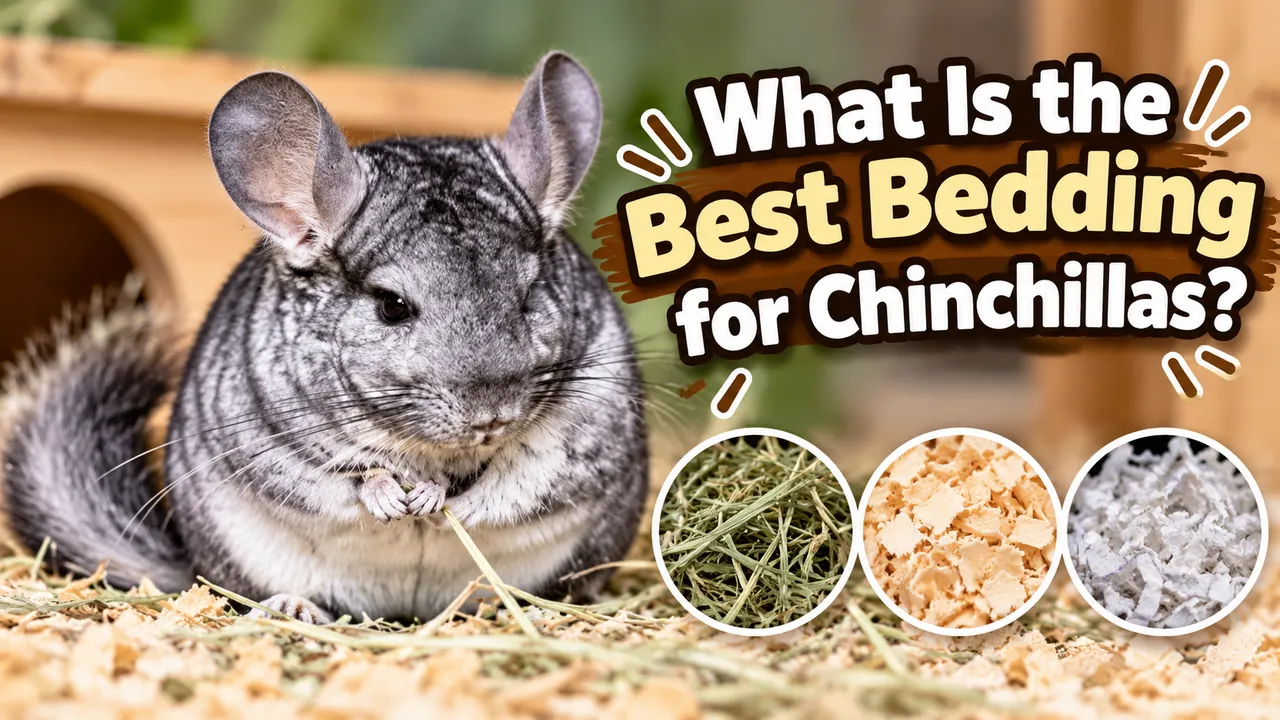
The best bedding for chinchillas is usually anti-pill fleece liners, kiln-dried aspen shavings or plain paper bedding. All three are low in dust and free of the strong aromatic oils that make cedar and untreated pine a poor choice.
Which one wins depends on your budget, your time and your own chinchilla’s habits. Below, I walk through each option honestly, downsides included.
Why Bedding Choice Matters So Much
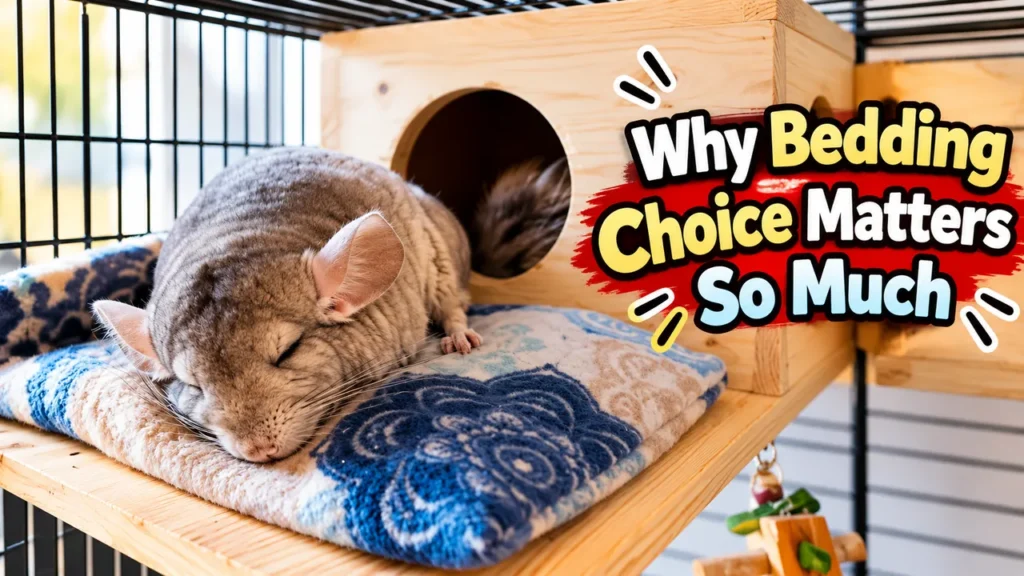
Chinchillas spend most of their day on the cage floor and ledges, so bedding is in constant contact with their feet, fur and noses. Their airways are sensitive, and dusty or heavily scented materials can irritate them over time.
Bedding also has a big job to do with urine. A good material soaks it up and keeps it away from paws and fur, while a poor one leaves damp patches that smell and invite skin trouble.
Then there’s the chewing. Chinchillas test everything with their teeth, and since they can’t vomit, anything they swallow needs to be as harmless as possible.
Bedding Options at a Glance
| Bedding | Dust Level | Absorbency | Ongoing Cost | Cleaning Effort |
|---|---|---|---|---|
| Fleece liners | Very low | Good with a padded layer underneath | Low after setup | Daily shake, frequent washing |
| Aspen shavings | Low to moderate | Good | Moderate | Easy to scoop and replace |
| Paper bedding | Very low | Very good | Moderate to high | Easy to scoop and replace |
| Kiln-dried pine | Moderate | Fair | Low | Easy, but divides opinion |
| Cedar shavings | Moderate | Fair | Low | Avoid entirely |
Fleece Liners
Fleece is a favorite in many chinchilla communities. Instead of loose bedding, you lay fitted fleece liners over the floor and shelves, usually with an absorbent layer underneath to pull moisture away from the surface.
Why owners love it: It’s almost dust-free, soft on feet, reusable for months and looks neat. Over time, it can work out cheaper than buying bags of bedding.
The downsides: Urine doesn’t vanish into fleece the way it does into shavings, so you’ll need to brush off droppings daily and swap liners every few days. Some chinchillas also chew fleece, and swallowed fabric is a real risk.
Tips for success: Choose anti-pill polar fleece, since thin woven fabrics can snag claws. Wash with unscented detergent and skip fabric softener, which stops fleece from wicking. If you spot chew holes, move that chinchilla to loose bedding.
Kiln-Dried Aspen Shavings
Aspen is a hardwood without the strong aromatic oils found in cedar, and kiln-drying cuts dust and moisture further. It’s one of the most widely recommended loose beddings for small mammals.
Why owners love it: It’s absorbent, easy to find and simple to spot-clean. Many chinchillas enjoy pushing it around and burrowing, especially the ones that like to dig in corners.
The downsides: Quality varies by brand, and dustier bags can bother sensitive chins. Shavings also get kicked out of the cage, so expect a bit of sweeping.
Tips for success: Look for bags labeled kiln-dried and dust-extracted. Shake a handful over a dark surface, and if a cloud of dust rises, try a different brand.
Paper Bedding
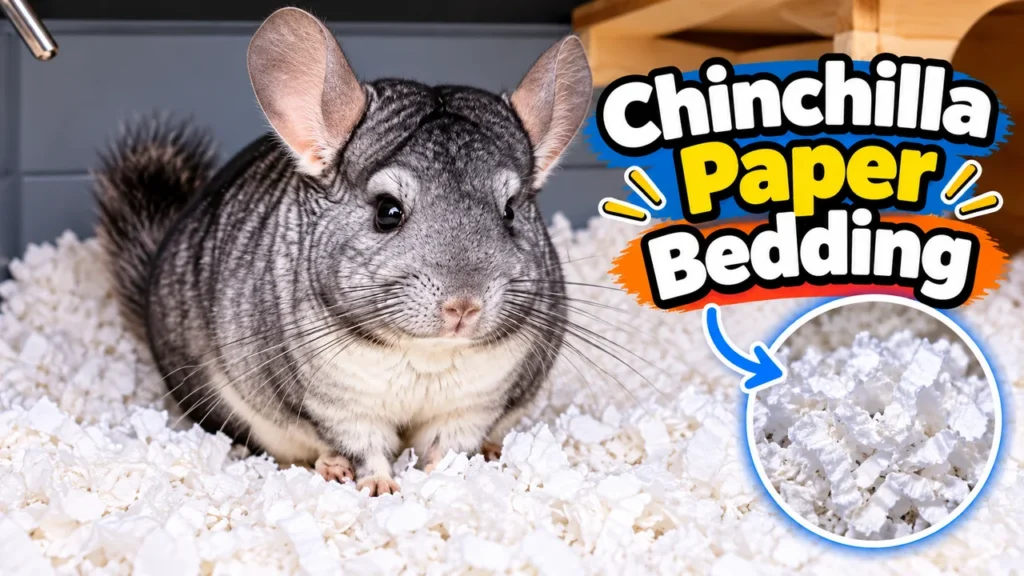
Paper bedding comes as soft fluffy pieces or compressed pellets made from recycled or unbleached paper. It’s one of the lowest-dust options you can buy.
Why owners love it: It absorbs a lot of liquid and handles odor well, which makes it a strong pick for chinchillas with sensitive airways.
The downsides: It costs more per bag than shavings, and some chins like to nibble it. Very fluffy types can also cling to fur.
Tips for success: A layer of about 1 to 2 inches is plenty. Pellet-style paper sticks to fur less and tends to last longer between changes than fluffy versions.
The Pine Question
Pine is where advice splits. Untreated pine contains aromatic compounds that can irritate airways, and many care guides say to avoid it completely, while some experienced owners use kiln-dried pine without problems.
If you’d rather not gamble, aspen and paper give you the same convenience without the debate. If you do try pine, make sure it’s clearly labeled kiln-dried and watch for sneezing or watery eyes.
Bedding to Avoid
- Cedar shavings: Strong aromatic oils linked to breathing and liver concerns in small pets.
- Untreated pine: Similar aromatic concerns to cedar, to a lesser degree.
- Corncob bedding: Can mold when damp and may cause blockages if eaten.
- Cotton or fluffy fibers: Can wrap around toes or block the gut if swallowed.
- Towels with loops: The loops snag nails and get chewed into threads.
- Sawdust: Far too fine and dusty for chinchilla lungs.
- Scented or dyed bedding: Added fragrance and color offer nothing your chin needs.
- Hay as the main bedding: It gets soiled quickly and can mold, and soiled hay is something you never want a chin eating.
How to Choose the Right One for You
If your chinchilla sneezes a lot
Start with paper bedding or fleece, since both are lowest in dust. Mention the sneezing to your vet as well, because it can have other causes.
If you’re on a tight budget
Fleece costs more upfront but saves money over time. If the upfront cost is the hurdle, kiln-dried aspen is a solid middle ground.
If you’re short on time
Loose bedding like aspen or paper is quicker day to day, since you scoop and top up instead of shaking out and laundering liners.
If your chinchilla chews everything
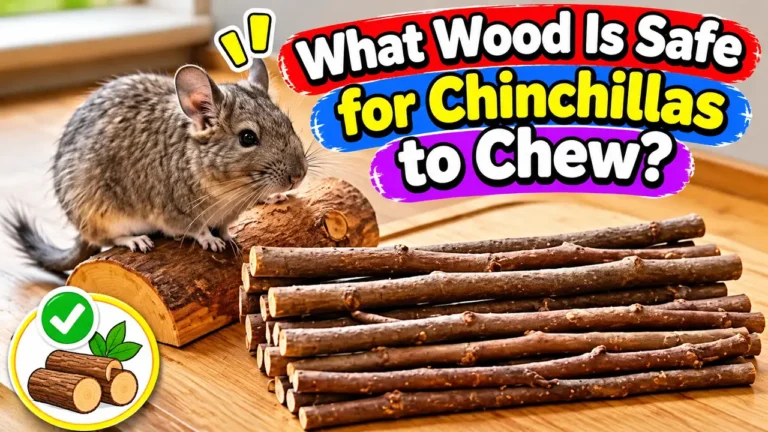
Skip fleece and stick with aspen or pellet-style paper. Gnawing is perfectly normal, and it’s why chinchillas chew everything, but fabric is the riskiest thing to have shredded and swallowed. Offer plenty of safe wood to chew instead.
[Add your own note: the bedding you use and why it works for your chinchilla.]
Setting Up Bedding the Right Way
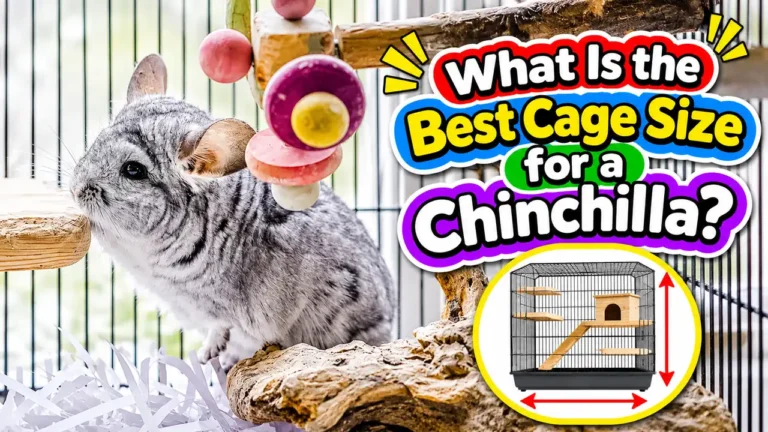
- Start with a solid floor or pull-out tray, never bare wire, in a cage sized using our cage size guide.
- Add 1 to 2 inches of loose bedding, or lay fleece over an absorbent layer.
- Cover some shelves with fleece pads and leave others as bare wood for chewing.
- Notice where your chinchilla pees most and add extra bedding or a small litter pan there.
- Keep the hay rack away from the main pee corner so hay stays clean.
Switching to a New Bedding
Change bedding gradually over about a week instead of overnight. Mix a little of the new material into the old, then increase the amount each time you clean.
Watch for sneezing, itchy skin or nibbling in the first few days. If any of these show up, the new bedding may not suit your chin.
How Often to Change It
Spot-clean wet patches and droppings daily, following a simple cage cleaning schedule. Replace all loose bedding at least once a week, and more often if two or more chinchillas share the cage.
With fleece, brush off droppings every day and swap in clean liners every few days. A spare set means one is always ready while the other is in the wash.
The Bottom Line
There’s no single perfect bedding, but there is a clear safe zone: fleece, kiln-dried aspen or paper. Skip cedar, untreated pine and anything dusty or scented, then choose the option that fits your routine and your chinchilla’s habits.