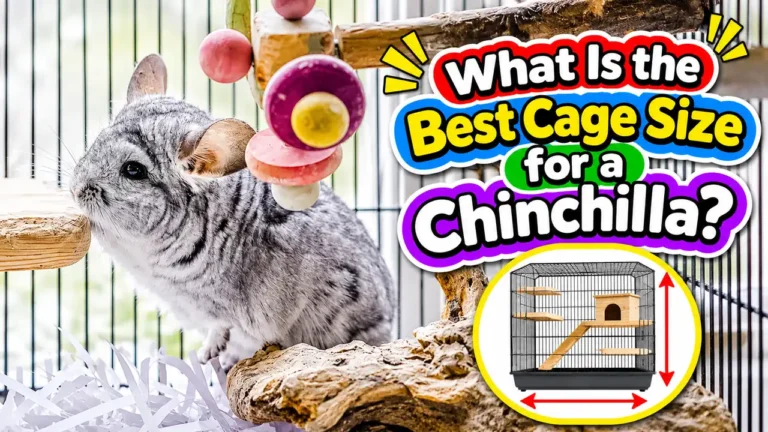
For one chinchilla, aim for a cage of at least 24 x 24 x...
Read the guide
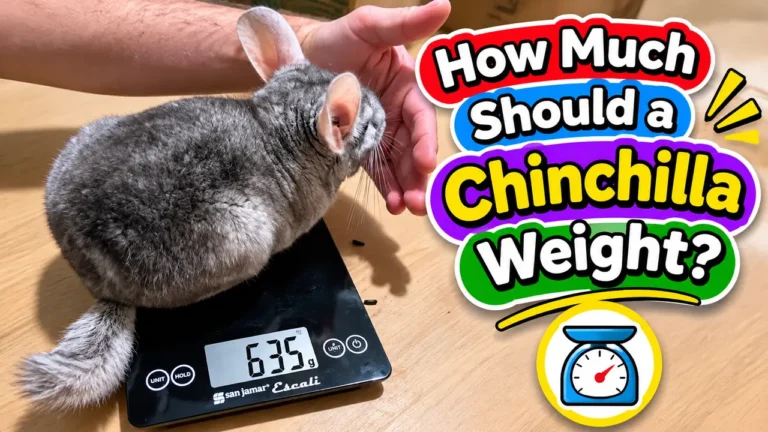
How Much Should a Chinchilla Weight? Healthy Weight Ranges and Checks
A healthy adult chinchilla usually weighs between 400 and 700 grams, or roughly 1...
Read the guide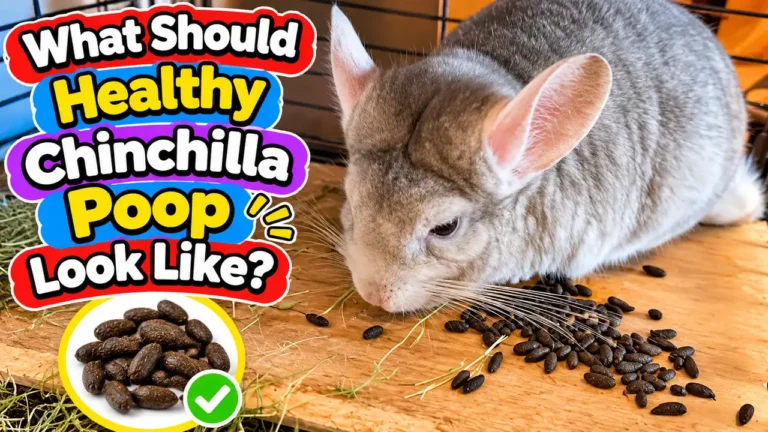
What Should Healthy Chinchilla Poop Look Like? A Simple Poop Chart
Healthy chinchilla poop is small, firm and dry, shaped like a grain of rice...
Read the guide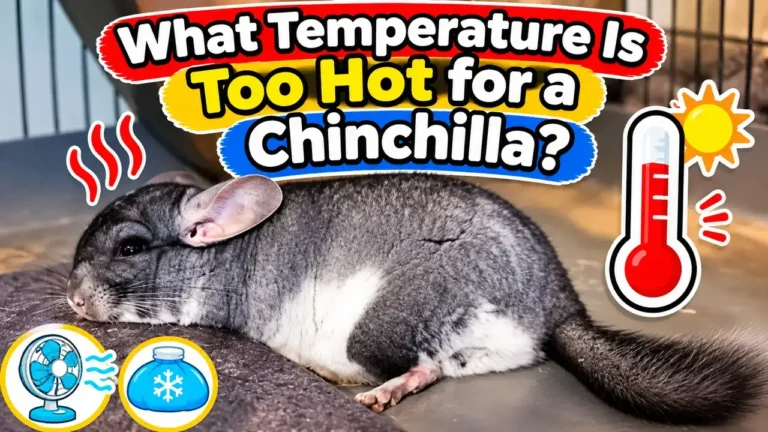
What Temperature Is Too Hot for a Chinchilla? Safe Ranges and Heatstroke Signs
Anything above 80°F (27°C) is dangerous for a chinchilla, and trouble can start sooner...
Read the guide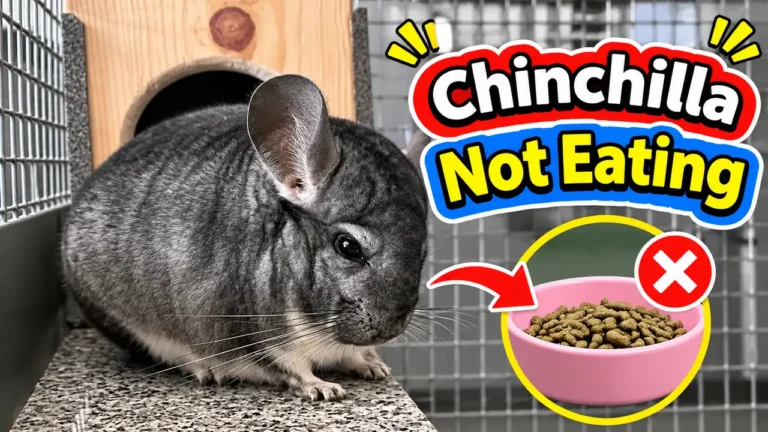
Why Is My Chinchilla Not Eating Hay?
If your chinchilla has stopped eating completely, or you’re seeing few or no droppings,...
Read the guide
What Treats Are Safe for Chinchillas?
Treats are the quickest way to win a chinchilla’s trust, and the quickest way...
Read the guide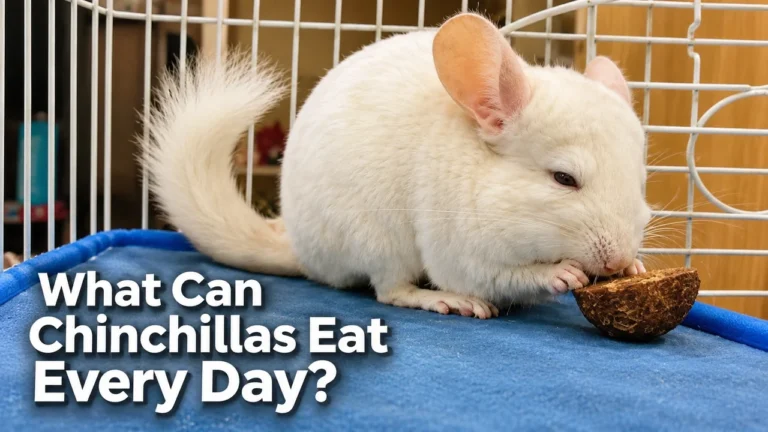
What Can Chinchillas Eat Every Day?
Every day, a chinchilla needs three things: unlimited grass hay, a small measured portion...
Read the guide
How Much Water Does a Chinchilla Need Daily? Intake, Bottles and Warning Signs
“Chinchillas and water don’t mix” is one of the most repeated lines in chinchilla...
Read the guide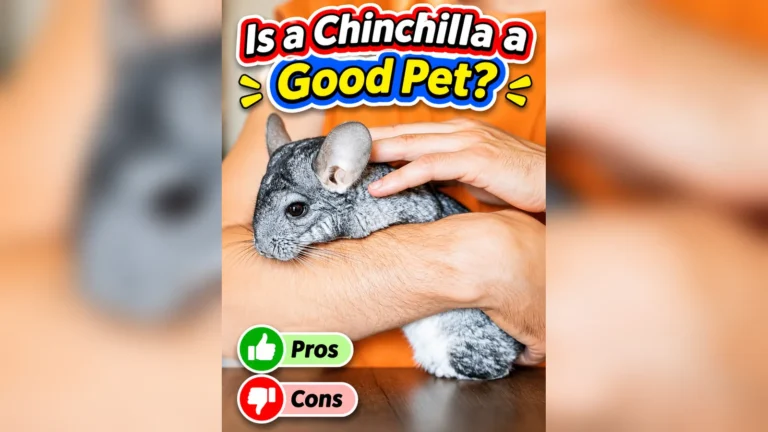
Is a Chinchilla a Good Pet? Honest Pros, Cons and Costs
Picture a soft gray ball of fur bouncing off the walls of its cage...
Read the guide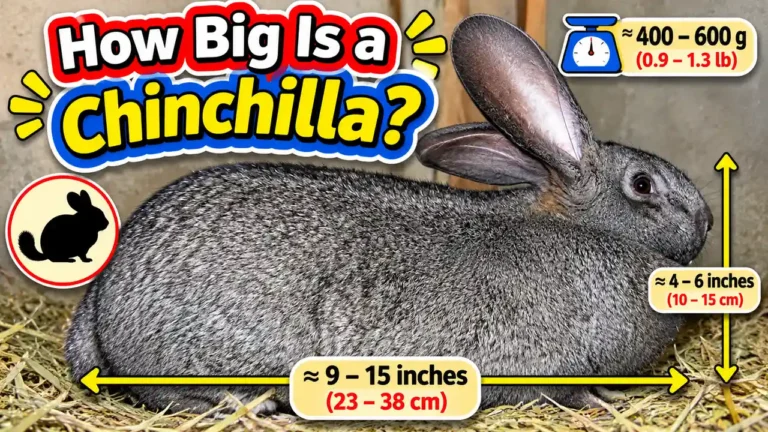
How Big Is a Chinchilla? Size, Length and Weight Explained
Most adult chinchillas measure 9 to 14 inches from nose to the base of...
Read the guide
What Does a Chinchilla Look Like?
Imagine a rabbit’s ears on a round, fluffy body, then add a squirrel’s bushy...
Read the guide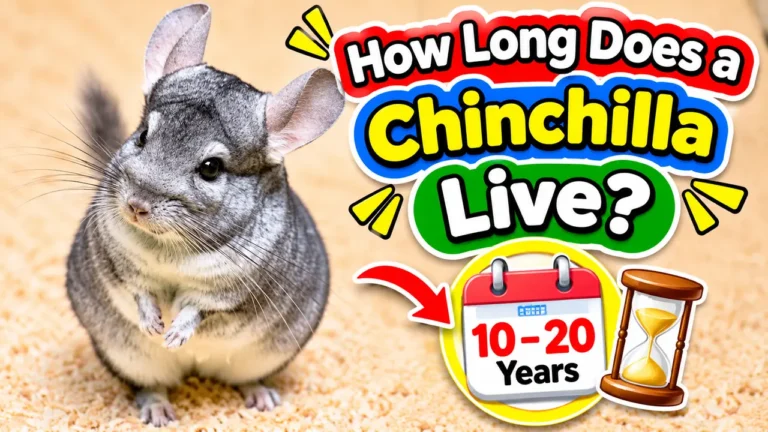
How Long Does a Chinchilla Live?
A pet chinchilla usually lives 10 to 15 years, and with excellent care many...
Read the guide