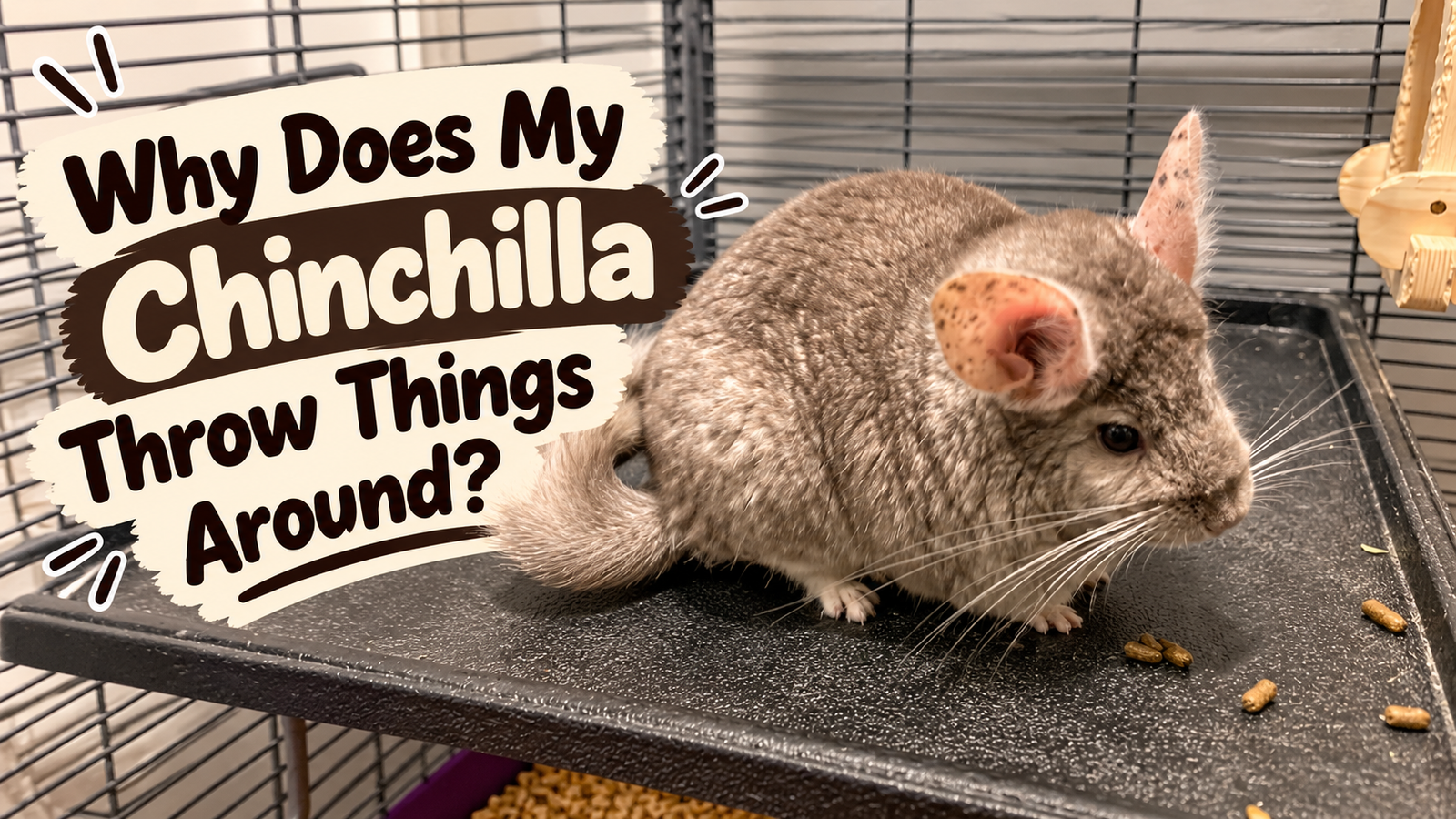
Why Does My Chinchilla Throw Things Around?
One common reason chinchillas throw objects is excitement and exploratory behavior, especially during playtime or after they finally get room to move. Another reason is stress, boredom, or a setup that makes them feel unsafe. Because chinchillas are fragile and their care needs are specific, it helps to sort “normal mischief” from “something is wrong” by watching body language, environment, and frequency.
Normal Reasons Chinchillas Move Things
Chinchillas are curious, social, and intensely active at dawn and dusk. In a natural routine, they investigate through smell, pawing, carrying, and rearranging items. In a home cage, that same drive often looks like grabbing hay, pushing bowls, dragging small objects, or tossing bedding pellets to improve their preferred spot. Some individuals “test” new items by moving them out of place, then returning to inspect them again.
Throwing can also be a sign of confidence. If your chinchilla is moving quickly, approaching toys willingly, and then settling to chew or groom, the behavior is more likely play and exploration than distress. You may even notice the “same object” being moved repeatedly as part of a routine, much like a favorite game.
When this is the pattern, you can respond with safer enrichment rather than trying to stop the behavior completely.
Stress, Fear, And Trigger Checking
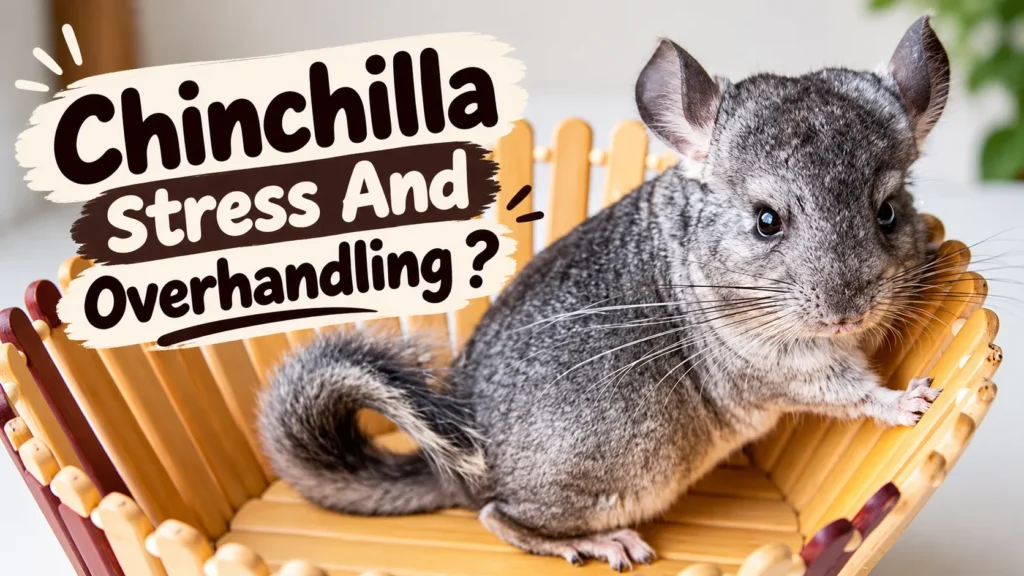
When chinchillas throw things more intensely or suddenly, stress is a strong possibility. Stressors can include changes to the home (new pet, loud noise, construction), handling that feels too intense, bright light, poor ventilation, or cage placement where they cannot retreat from activity. A chinchilla that feels cornered may react by flinging items as a fast way to create space or defend territory.
Also consider seasonal comfort. Chinchillas do best in cooler conditions, and overheating or discomfort can raise agitation and make them more likely to act out. If the tossing is paired with hiding, reduced eating, or stiff, flattened posture, treat it as a warning sign rather than a quirky habit.
Look for a trigger you can remove. If you cannot identify one or the behavior escalates, a veterinary exam is the safest next step.
Picky Caging Setup And Safety Risks
Sometimes the “why” is simply physics. If items are loose, lightweight, or positioned where a chinchilla can tip them, throwing becomes easier. Bowls can slide, hanging chew toys can swing, and small items like ledge decorations can be knocked off. That can look like targeted tossing, even when the intent is rearranging and investigating.
Chinchillas also need an environment that supports their natural chewing and digging behaviors. But the setup must reduce injury risk. Avoid anything that can be swallowed, sharp-edged, or heavy enough to injure a foot or head if it falls. Be especially careful with wires, small gaps, and loosely secured shelves.
When you improve the layout, throwing often shifts from “damage” to “normal rearranging.”
Play, Curiosity, And Enrichment Needs
Many chinchillas throw items during play because their enrichment is not fully meeting their needs. Chinchilla brains are busy, and chewing, exploring, and solving simple “where did it go” puzzles keeps them engaged. Without enough appropriate outlets, they may redirect that energy toward anything interactive they can move.
Enrichment should be safe, dust-managed, and consistent. Chew time matters, and so does having safe objects that invite interaction. A good goal is to see the tossing happen near enrichment, then follow with normal behaviors like chewing hay, dust bathing, and grooming.
For young or newly adopted chinchillas, give extra observation time. Rapid changes in behavior can reflect learning and adjustment, but always watch eating and breathing too.
Age Differences In Behavior Patterns
Chinchillas vary a lot by age. For kits and juveniles, tossing often rises because energy is high and they are practicing coordination, teeth control, and exploration. Juveniles may also chew more aggressively and knock objects simply because they are growing and learning. Still, if tossing is constant and they ignore food or appear lethargic, that is not “just growing up.”
For adult chinchillas, tossing is typically tied to routine activity, enrichment, or a specific trigger. If it becomes frequent during rest periods, check environment, handling style, and cage safety. For seniors (often when visible mobility changes or appetite changes occur), tossing can also appear when they are uncomfortable or startled by pain. Pain can be subtle in small mammals.
Watch for appetite changes, altered grooming, weight loss, or difficulty eating. Those signs need a vet visit rather than extra toys.
How To Respond Without Escalating
Chinchillas learn through outcomes. If throwing brings attention, chasing, or frequent interruptions, they may repeat the behavior. The best response is calm consistency: improve the environment, offer appropriate alternatives, and avoid sudden movements that can frighten them.
Use gentle management first. During the active period, provide safe items that can be moved without risk. If you see them begin to toss, redirect by placing an enrichment item within easy reach, then let them investigate. Keep handling predictable, short, and comfortable. When you must clean, move slowly, maintain routine, and keep the chinchilla calm.
Positive, calm reinforcement and environmental design are usually more effective than trying to suppress natural behaviors.
When Throwing Signals A Health Issue
Throwing can be behavior, but health always comes first. A chinchilla that is in pain, uncomfortable, or nauseated may act differently. Signs that often accompany health problems include reduced or stopped eating, messy or reduced droppings, weight loss, hunched posture, labored breathing, drooling, tooth grinding, or sudden extreme irritability.
Because chinchillas are small and can deteriorate quickly, treat “behavior change plus health signs” seriously. Schedule a vet check if tossing persists along with any abnormal eating, lethargy, breathing changes, or repeated hiding. If you see blood, persistent diarrhea, or a collapsed posture, seek urgent care.
| What You Might Notice | More Likely Normal | Needs Vet Visit |
|---|---|---|
| Tossing timing | Mostly during active periods | Constant throughout the day |
| Appetite | Eating hay and pellets normally | Reduced appetite or missed meals |
| Energy | Moves, grooms, dust baths | Lethargy or hiding for long stretches |
| Droppings | Normal-looking droppings | Smaller, fewer, or watery droppings |
| Breathing and posture | Normal breathing and relaxed posture | Labored breathing, hunched posture, weakness |
If this persists for more than 48 hours without improving, schedule a check even if the signs seem mild.
Preventing Recurrence With Routine And Training
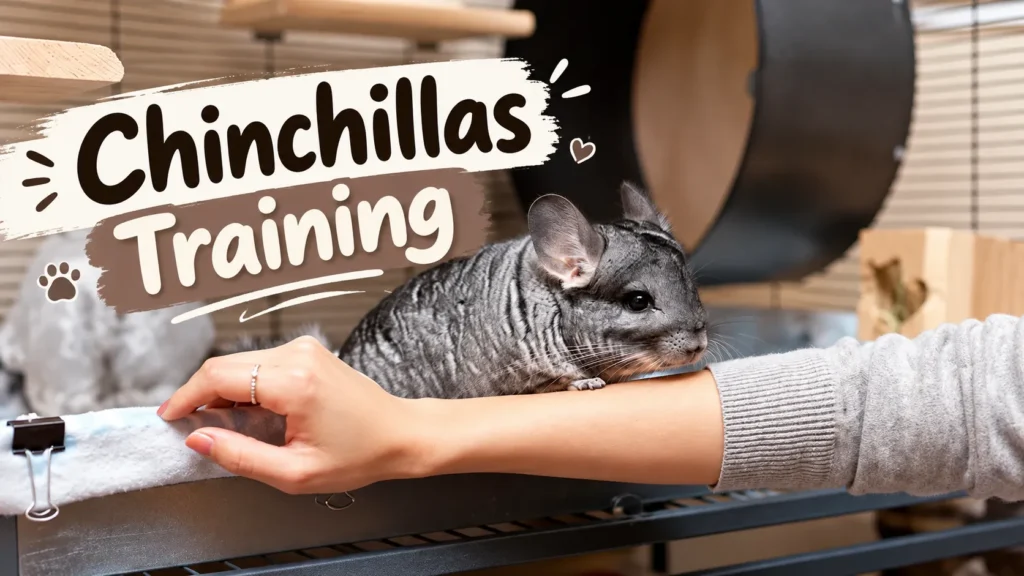
Training a chinchilla is gentle and management-based. The goal is to create a routine where the behaviors you want are more rewarding and the stressful triggers are reduced. Consistency helps. Feed and cleaning on a predictable schedule, and place enrichment in stable locations so your chinchilla can plan its day.
Offer chew-focused enrichment and safe, sturdy items they can move. If tossing is mostly aimed at water bowls or food dishes, switch to more stable methods and ensure everything is secure. If tossing seems like attention-seeking, provide attention during calm times, then allow them to play without interruption during active periods.
Keep records. Note what was happening 5 minutes before the behavior: lighting, noise, room temp, visitors, handling, and cage cleaning. That record often reveals the trigger. And remember, chinchillas can be sensitive to temperature and environmental changes, so aim for steady conditions.
From my clinical experience, most “throwing” problems improve when we combine safer cage setup with consistent enrichment and a trigger log. When appetite, droppings, breathing, or energy change, a vet exam should come before more toy changes.
Quick Summary
Chinchillas throw things around for normal reasons like curiosity, play, and rearranging their space, especially during active periods. Tossing can also increase with stress from changes, insecure or unsafe cage items, or insufficient enrichment. Age matters: kits often practice, adults often respond to triggers, and seniors may throw with subtle discomfort. Calm management plus safer cage setup usually helps, but eating, droppings, posture, or breathing changes mean you should schedule a vet check.
FAQ
Is Throwing A Normal Chinchilla Behavior?
Many chinchillas toss or rearrange items as part of play and exploration, especially when eating, grooming, and energy stay normal. Frequency and intensity matter. If throwing becomes constant, severe, or paired with appetite or droppings changes, treat it as a sign to investigate and consider a vet visit.
What Cage Changes Can Reduce Unsafe Tossing?
Secure water and food so they cannot be tipped, and remove breakable or small loose objects that could be swallowed or cause injury. Provide sturdy chew items and hideouts, and ensure shelves or ramps are stable. A safer setup often turns chaotic throwing into harmless investigation.
When Should I Call A Vet?
Schedule a vet check if throwing persists for more than 48 hours, or sooner if you notice reduced appetite, fewer or watery droppings, weight loss, labored breathing, hunched posture, or sudden extreme irritability. Chinchillas are small and can worsen quickly, so it is better to be cautious.