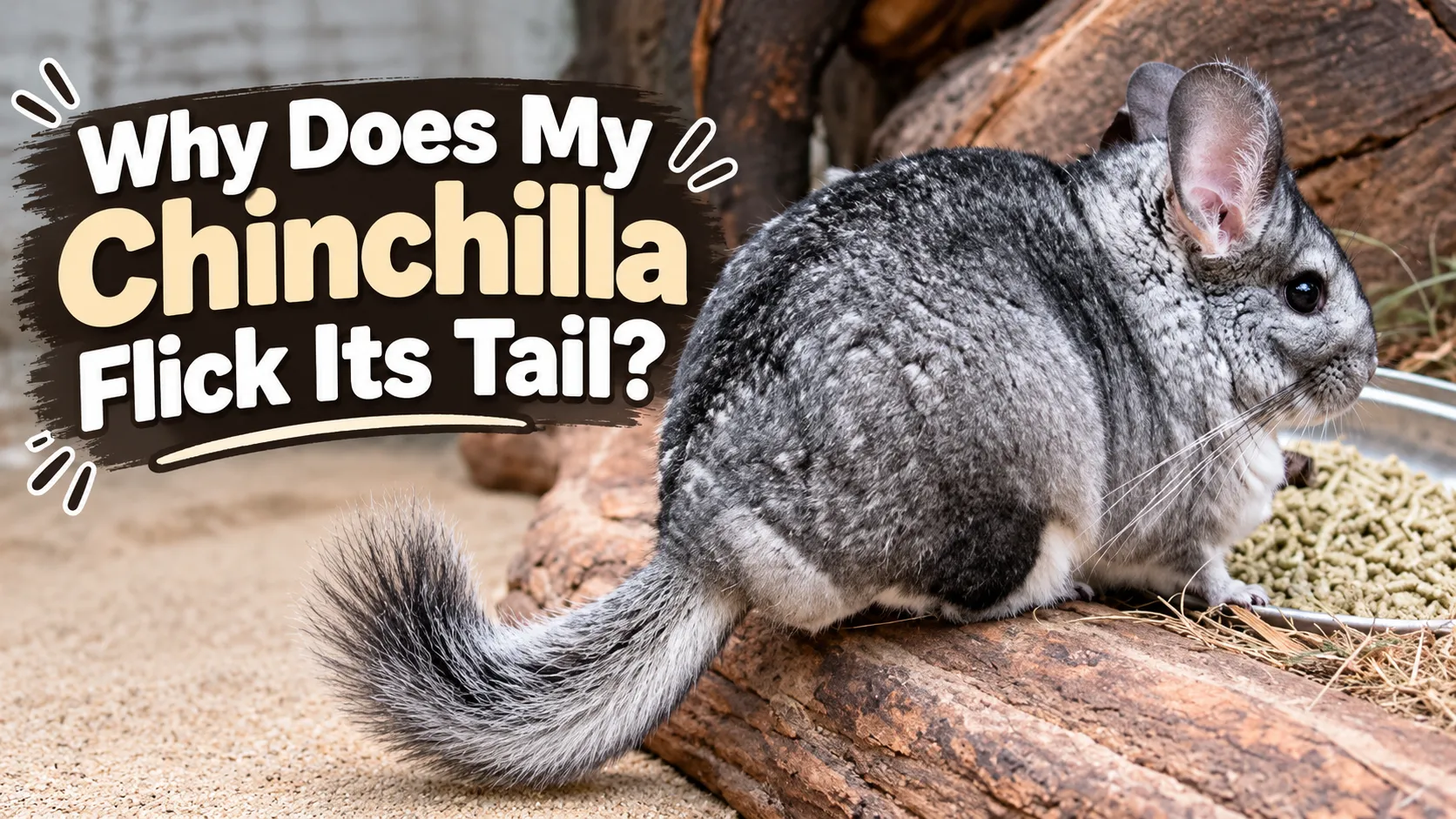
Why Does My Chinchilla Flick Its Tail?
Chinchillas often flick their tails during quick moments of excitement, communication, or stress. A useful first step is to watch for timing and body posture, then pair that with your chinchilla’s breathing, grooming, eating, and energy level. Tail flicking alone is usually a behavior signal, but repeated, escalating flicking with other symptoms can indicate discomfort. Use the sections below to decode the most common causes and decide when to contact an exotics-savvy vet.
Tail Flicking As Communication
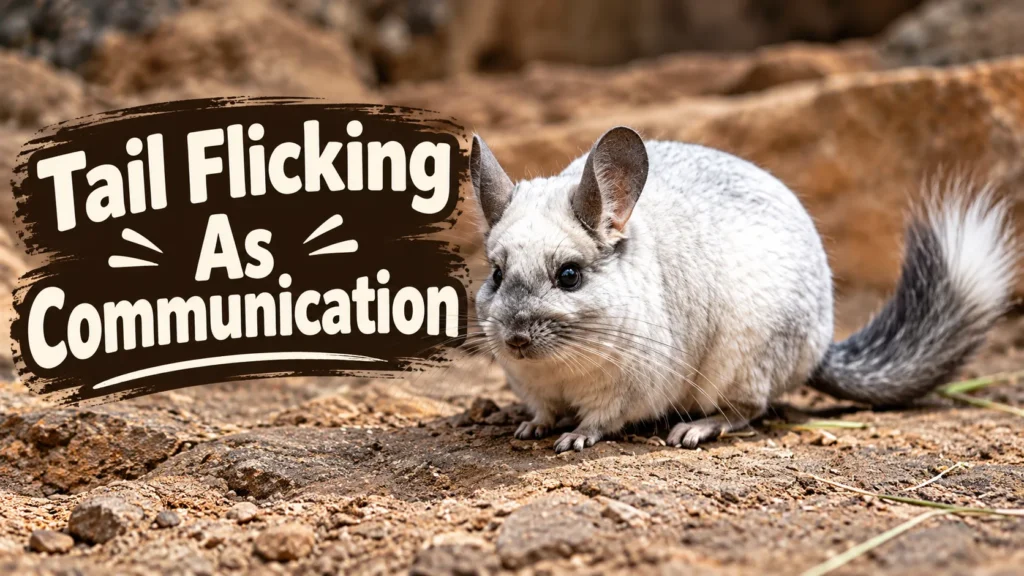
Tail flicking is one way chinchillas send information to people and cage-mates. In many cases, it appears during short bursts when your chinchilla is alert, curious, or trying to get your attention. The same movement can look different depending on context, such as whether your chinchilla is facing you, moving toward you, or staying still. Tail flicks can also happen as a “turning point” behavior, occurring right before another signal like approaching, sniffing, or freezing to listen.
To understand what your chinchilla is communicating, track a simple pattern: what came right before the tail flick, what the tail flick looked like (quick taps vs larger sweeping movements), and what happened immediately after.
For example, tail flicks paired with relaxed ears and normal breathing are more likely social or attention-related. Tail flicks paired with a tense body, wide eyes, or avoidance may point to stress.
Because each chinchilla has a unique “home language,” consistency in observation matters more than any single moment.
Normal Excitement And Curiosity
Chinchillas can flick tails when they are mentally engaged. Common triggers include hearing you prepare food, finishing a dust bath and re-orienting, discovering a new object, or responding to a familiar routine. Young chinchillas and naturally bold adults may show more frequent quick movements during play and exploration. In these situations, the tail flick often comes with forward body angle and smooth, coordinated motion.
Chinchillas also go through a clear age progression. For kits and juveniles, quick bursts of tail flicking can be part of learning their environment, especially if they are active, eating normally, and not showing signs of pain. For adults, tail flicks are often tied to routine cues like treat delivery or cage cleaning. For seniors, tail flicking can still happen, but sudden changes in frequency should prompt extra attention.
Training your chinchilla to associate calm handling with safe experiences can reduce unnecessary stress flicking. The goal is gentle, predictable interaction, not “forcing” contact. If tail flicks happen mostly during positive interactions, you can treat them as part of your chinchilla’s personality.
Kits (0-12 Months)
Expect more exploratory behavior, including brief tail flicks during play, social curiosity, and routine changes. Watch that they are still eating, using the litter area normally, and maintaining bright activity between episodes.
Adults (1-7 Years)
Tail flicks often track routines, attention-getting, and mild excitement. If flicking increases only around you and decreases when everything is calm, it is likely communication.
Seniors (7+ Years)
Keep an eye on sudden changes. Seniors can have more discomfort from dental or mobility issues, so tail flicking paired with reduced appetite or hiding deserves closer monitoring.
Stress, Fear, And Threat Display
Chinchillas are prey animals, and tail flicking can also show stress. In anxious moments, you may see tail flicks alongside other body language: tensing, crouching, freezing, backing away, ears holding oddly, or an overall “shut down” posture. Environmental factors often contribute, such as loud noises, sudden handling, a new cage placement, uncomfortable temperatures, or inconsistent routines.
Social stress is another common driver. If a chinchilla lives with a companion, tail flicks may appear after separation, during resource guarding (especially food, hay, or dust-bath access), or during mild dominance interactions. Housing and introductions can strongly affect behavior, and chinchillas should be monitored for escalating conflict.
From my clinical experience, many cases improve when the environment becomes calmer and interaction is more predictable. If stress signs persist, it is worth discussing with an exotics veterinarian because pain can masquerade as “behavior.”
Pain Or Discomfort Clues
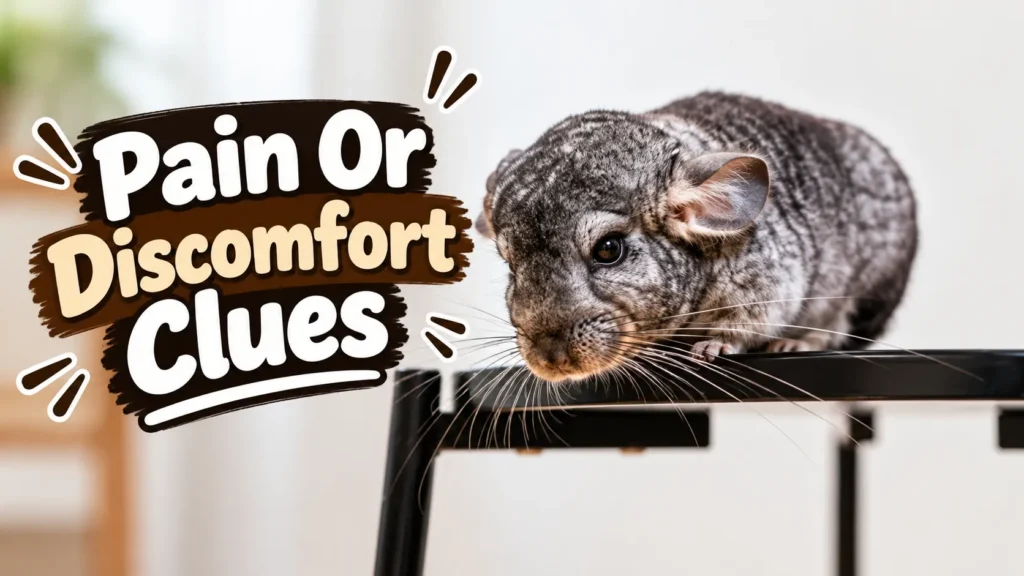
Sometimes tail flicking can be an indirect sign that something feels off. Chinchillas are good at masking illness, so behavior changes are an early clue. Pain can come from dental issues, gastrointestinal upset, trapped fur or skin irritation, sore spots, or injury. When tail flicking is accompanied by other changes, the odds shift away from “just communication.”
Look for clusters of signs rather than one movement. Pay attention to appetite, water intake, droppings quality, posture, and grooming habits. A decline from your chinchilla’s normal baseline should be treated as a possible medical problem.
For kits and juveniles, discomfort can develop quickly with diet changes or stress. For adults, dental or GI issues can show up subtly, and for seniors, pain may be more common due to age-related dental wear or mobility changes. In all age groups, a decline from baseline is the key.
Vet tip: If you see a behavior change lasting more than 24 to 48 hours, or any combination of reduced appetite, hiding, and abnormal droppings, a chinchilla-focused exam is the safest next step.
Environmental Triggers In The Cage
Most chinchilla “behavior problems” are environmental. Tail flicking may reflect irritation from substrate or dust, overcrowding, too-wet bedding, improper dust bath setup, or temperature and airflow problems. Chinchillas are also sensitive to stress from cage placement, including direct drafts, hot spots, or being near high-traffic areas.
Dust bath routines matter too. A properly maintained dust bath is normal and healthy, but if your chinchilla is uncomfortable in the bath (scrambling to escape, repeatedly flicking and stopping), the dust may be contaminated, too dirty, or the setup could be causing discomfort. Pay attention to whether tail flicking happens around cleaning days or after you change bedding, hay brand, or water setup.
For households with other pets, visual stress can show up even without direct contact. A cat staring at the chinchilla through a barrier can create ongoing vigilance, and tail flicking may be part of that heightened arousal.
Diet Effects And Gi Upset Signs
Tail flicking alone is not a digestive diagnosis, but GI discomfort can change a chinchilla’s behavior quickly. If a diet shift, treat change, or sudden decrease in hay occurs, chinchillas can become less comfortable. Chinchillas generally do best with steady access to appropriate hay, careful portions of pellets, and treats that are consistent with their species needs. Sudden changes are a common trigger for stress and gut upset.
Watch droppings. Normal droppings provide a major clue to how the gut is functioning. In cases of GI upset, you may see fewer droppings, smaller droppings, changes in consistency, or signs of discomfort around eating. Appetite changes matter, too. A chinchilla that is eating less and flicking its tail while staying hunched is more concerning than one that is happily exploring.
For kits and juveniles, diet changes should be done slowly over time. For adults, keep treat frequency conservative and avoid frequent “variety” swaps. For seniors, decreased chewing ability can contribute to food intolerance, so monitor whether they pick at food or drop pellets/hay.
| Age Group | Amount Guideline to Use | Frequency |
|---|---|---|
| Kits (0-12 months) | Follow your pellet label plus a consistent portion your vet recommends for growth | Typically 1 to 2 feedings daily, same times each day |
| Adults (1-7 years) | Offer measured pellets per label, and keep hay available continuously | Pellets 1 time daily, hay available all day |
| Seniors (7+ years) | Maintain measured pellets, monitor intake closely, and keep hay accessible | Often 1 time daily for pellets, hay continuously |
Important: Because exact pellet portion sizes vary by product, your best “amount” benchmark is the label and your exotics vet’s guidance for your chinchilla’s body condition.
When To Worry And Call A Vet
Tail flicking becomes more concerning when it is part of a larger pattern. Use the severity table below as a practical guide. If your chinchilla is otherwise normal, occasional tail flicks during attention or play are usually manageable at home. If you see escalating signs, it is safer to contact an exotics-savvy veterinarian promptly.
For kits and juveniles, smaller changes can represent faster declines, so don’t wait if appetite drops or droppings change. For adults, persistent tail flicking plus reduced eating is a strong reason to schedule an exam. For seniors, any sudden behavior change deserves earlier attention because underlying dental or mobility issues can develop gradually and then worsen.
| What You See | Often Normal | Needs Vet Advice |
|---|---|---|
| Tail flicking pattern | Brief episodes during curiosity or routine cues | Frequent, escalating flicking with other signs |
| Appetite | Eating hay and pellets normally | Reduced appetite, picking at food, refusing |
| Droppings | Normal frequency and appearance | Fewer droppings, changes in size or consistency |
| Posture and comfort | Normal activity and relaxed posture | Hunched posture, guarding, hiding more than usual |
| Breathing | No visible effort, normal behavior | Labored breathing or open-mouth breathing |
If the concerning pattern persists for more than 24 hours, schedule a vet check. If breathing looks labored or your chinchilla stops eating, contact your vet immediately.
Positive Handling And Behavior Support
Training and handling adjustments can reduce stress-related tail flicking. The aim is to create predictability: gentle approaches, consistent routines, and rewards that your chinchilla enjoys. Punishment-based methods can increase fear and lead to more tail flicking and hiding. Instead, use calm exposure and short, successful interactions.
Start with observation. When tail flicking happens, note whether your chinchilla is seeking attention, reacting to a sound, or showing hesitation. Then adjust your next interaction accordingly. If tail flicking is linked to you reaching for the cage, work on a “hands predict good things” routine. Offer a favorite treat near your fingers, then remove your hand before your chinchilla seems overwhelmed.
For kits and juveniles, focus on trust-building and consistent routines. For adults, keep interactions predictable and avoid sudden changes. For seniors, prioritize low-stress handling and watch for signs of pain during movement. If tail flicking persists despite a calm routine, that’s a good time to involve your exotics veterinarian.
Quick Summary
Tail flicking in chinchillas is often communication, usually tied to curiosity, attention, or brief excitement. Stress-related flicking tends to come with tense posture, hiding, or changes in breathing and activity. Use calm, predictable handling and keep the environment consistent.
FAQ
Is Tail Flicking Normal For Chinchillas?
Tail flicking can be normal when it happens briefly during curiosity, routine cues, or play, especially if your chinchilla is eating and breathing normally. Frequent or escalating flicking needs closer attention.
Why Does My Chinchilla Flick Its Tail When I Approach?
Approaching cues can trigger excitement, curiosity, or mild fear. If your chinchilla moves toward you calmly, it may be asking for interaction. If it freezes, backs away, or shows tense posture, reduce sudden movements and build trust with gentle, consistent routines.
When Should Tail Flicking Be An Emergency?
Tail flicking becomes urgent when paired with labored breathing, open-mouth breathing, refusal to eat, or significant changes in droppings. For kits and juveniles, act faster because declines can progress quickly. Contact an exotics-savvy vet immediately if eating stops or breathing seems difficult.