Why Does My Chinchilla Run Away When I Approach?
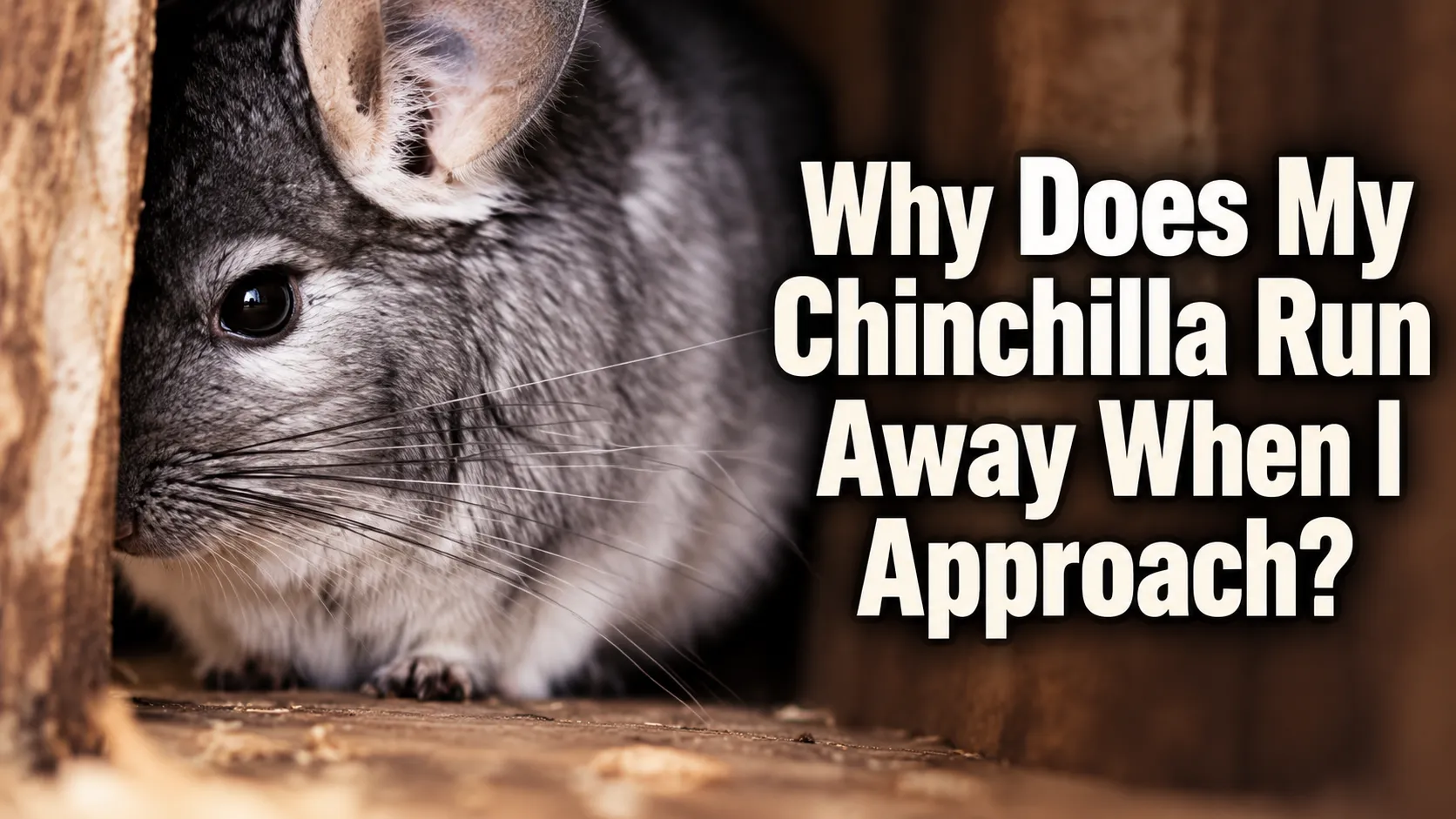
Chinchillas often run away when you approach because they interpret sudden movement, loud voices, or direct reaching as a threat. A grounded starting point is simple: pause, lower your body, and let your chinchilla come to you for short, calm interactions. Many chinchillas learn to feel safe when the approach is predictable and rewards are timed correctly. This behavior is common, but persistent fear or sudden changes can also signal stress or illness, so watching the whole pattern matters.
Chinchilla Body Language Signals
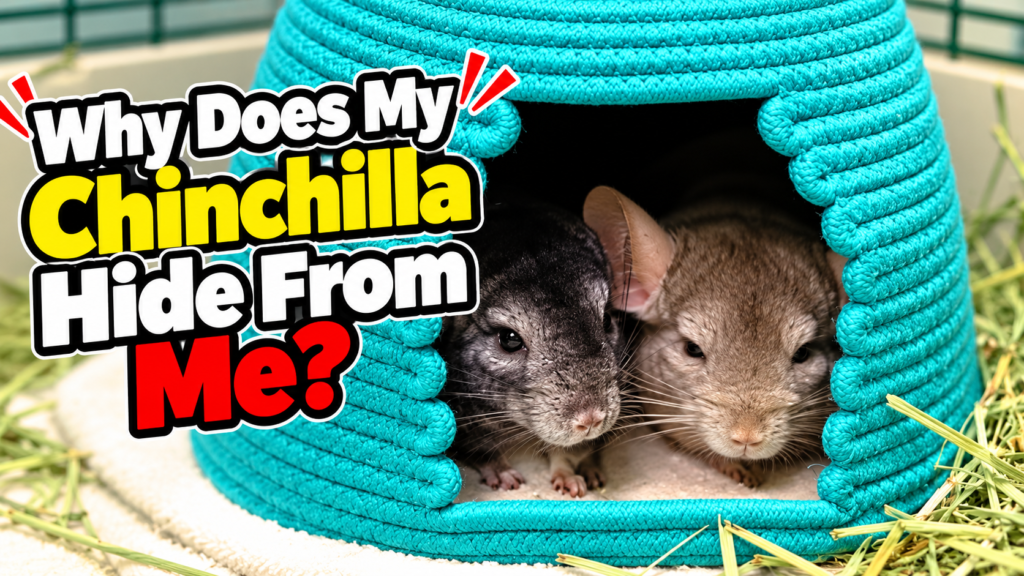
Chinchillas are prey animals with strong instincts to escape fast. Running away usually means your chinchilla is choosing safety over curiosity. The key is to read what else is happening around the run. Ears pinned back can suggest stronger fear. Wide-eyed stillness right before bolting may mean they feel trapped. A fast retreat followed by immediate hiding is also a common “I need distance” message.
Some behaviors look like fear but can mean different things. For example, quick movement with relaxed posture can be playful exploration in a bonded routine. Tail flicking and short, repeated dashes can happen during normal activity cycles, especially if your chinchilla is most active at dusk and night.
Approach Cues That Scare Them
In many homes, the approach itself becomes the trigger. Chinchillas dislike being “grabbed” from above, because predators often approach from that direction. Reaching hands over the cage, looming closer than necessary, or putting your face near theirs can all raise alarm. Even if you are gentle, chinchillas read body position and speed more than intention.
Sound matters too. Voices that are louder than usual, rapid footsteps, or clatter from a scoop or treat bag can create predictable startles. Strong smells from cleaning products, new perfumes, or lotion can also change how safe your presence feels.
Lighting can be part of the pattern. Bright overhead lights can make them feel exposed, especially in the first moments of your interaction.
Fear Vs Health Changes
Chinchillas can run away simply because the interaction is too intense or unpredictable. Still, a sudden shift in behavior deserves attention. Illness and pain can reduce tolerance for handling, making a normally trusting chinchilla suddenly bolt, snap, or refuse contact.
Look for changes beyond running. Appetite changes are important. So are droppings that are smaller, misshapen, reduced in frequency, or unusually dry. Breathing that sounds labored, persistent lethargy, hunched posture, or a coat that looks ruffled for long periods can also point to stress or discomfort.
Stress can also come from environmental issues like too-warm temperatures, poor ventilation, noisy construction nearby, or sudden changes in routine. Chinchillas are sensitive to heat, and overheating can make them act more distressed and reactive.
Safe Handling And Calm Entry
When cage access is necessary, keep your chinchilla’s “escape routes” open. Avoid cornering. If you need to open the cage, do it slowly and with minimal extra movements. Instead of grabbing from above, use gentle support techniques only when your chinchilla is calm and ready.
Short sessions work better than long ones. Try “sit and pause” near the cage for a few minutes at a time so they can watch you without pressure. Then, allow your chinchilla to choose contact. Many chinchillas learn that your hands mean safety when the timing is consistent and the reward is immediate.
Let your chinchilla smell you, but keep your face back. Hands can be offered at cage level, not over their head. If your chinchilla retreats, take it as information, not failure.
From my clinical experience, most chinchillas respond best when the person slows down, reduces reach-from-above movements, and lets the animal control the distance.
Reward-based Training For Trust
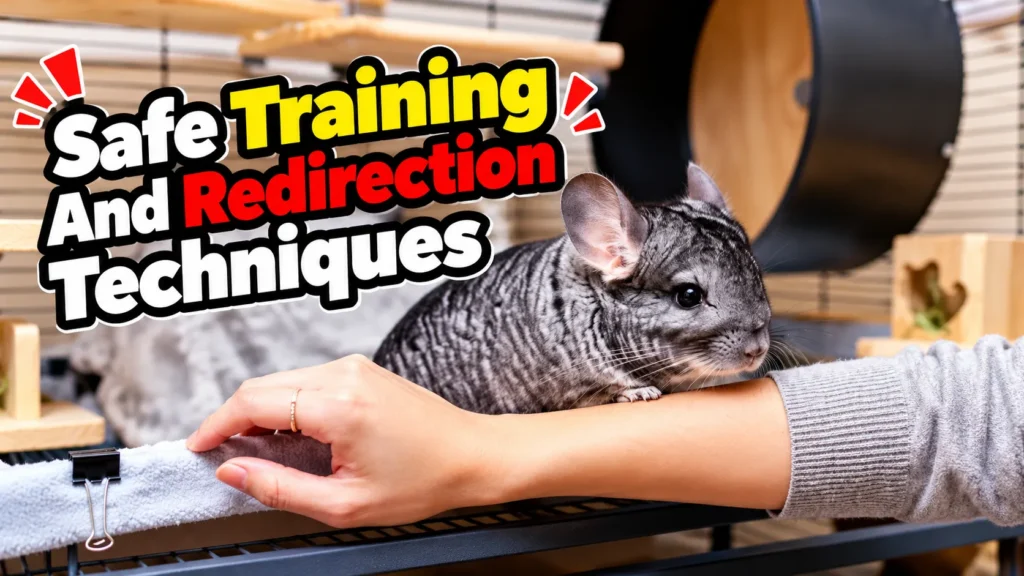
During training, use small, safe treats and deliver them promptly at the moment your chinchilla shows willingness to stay. If they bolt, pause the session and reset to a distance where they can remain calmer.
Timing is crucial. Waiting too long after your chinchilla approaches can teach the wrong association. Keep the steps simple: approach from far, pause, treat if calm, then step away. Over repetitions, your chinchilla may start approaching first.
Age And Temperament Considerations
Age affects learning speed and fear tolerance. Chinchillas also have age stages worth respecting. Younger chinchillas can be curious, yet they are still learning your routine. Their fear responses may look sudden if they have not had many calm experiences with people.
For adults, fear can be shaped by past handling. A chinchilla that was grabbed, chased, or lived in a more chaotic environment may run even during gentle attempts because the pattern was learned over time. Patience matters, and consistency helps more than intensity.
For senior chinchillas over 7 years (approximate stage), mobility or comfort issues can influence behavior. Pain or stiffness may make handling unpleasant, so your approach might trigger a “get away now” response. Watch for body signs like stiffness, reduced movement, and changes in appetite.
Common Mistakes That Make It Worse
Many well-meaning owners escalate fear unintentionally. The biggest mistake is trying to “catch” a running chinchilla. Chasing teaches that people cause panic, and the chinchilla learns to bolt faster next time. Another frequent issue is repeated reaching even after the chinchilla retreats. Each reach can reset trust progress.
Overfeeding can also backfire if it leads to picky behavior or stomach upset. Chinchillas have sensitive digestive systems, so treats should be small and consistent. Using random treats without a clear pattern can weaken training because the chinchilla cannot connect your approach with a reliable outcome.
Some people also ignore the environment. Handling in a noisy room, near construction sounds, or during hot weather increases arousal. If your chinchilla is already stressed by temperature or noise, your approach will look like one more threat.
When To Get Help And What To Ask
If your chinchilla runs away every time you approach for more than a couple of weeks despite practice, it is reasonable to seek professional help. An experienced exotics veterinarian can rule out illness and pain. A qualified trainer who understands small-animal behavior can help refine the approach steps and troubleshoot triggers like sound, scent, or positioning.
When you call, describe patterns clearly. Tell them how long the behavior has been happening, whether it changed suddenly, and what you were doing right before the run. Mention appetite, droppings changes, and whether the chinchilla hides for long periods after you stop moving.
For emergencies, prioritize safety and comfort. In general, if breathing looks difficult, if your chinchilla is weak, or if you see severe digestive trouble, seek urgent veterinary care.
From my clinical experience, the fastest progress comes when health is stable and the handling plan is consistent across everyone in the home.
Quick Summary
Running away is usually a fear or startle response. Body language like ears position and how quickly your chinchilla returns can help you tell fear from normal activity. A sudden change can also reflect discomfort, so monitor appetite and droppings. Build safety gradually with brief sessions and rewards, and seek veterinary help for concerning changes.
FAQ
Is Running Away Always A Sign Of Fear?
Running away is usually fear or a startle response in chinchillas, especially if they hide right after. Normal activity can include quick dashes, but relaxed posture and returning soon help distinguish play from anxiety. Sudden changes with appetite or droppings concerns need veterinary guidance.
How Long Should Trust Training Take?
Some chinchillas improve within days, while others need weeks to feel safe. If you see no improvement after a couple of weeks, or fear worsens, reassess triggers and talk with an exotics vet or a trainer experienced with small mammals.
What Should I Do During An Escape Attempt?
Stop moving, do not chase, and give your chinchilla space to come out when ready. Resume only at a safer distance where they can stay visible and calm. If escape behavior is paired with lethargy, breathing changes, or digestive upset, contact your exotics veterinarian promptly for advice.