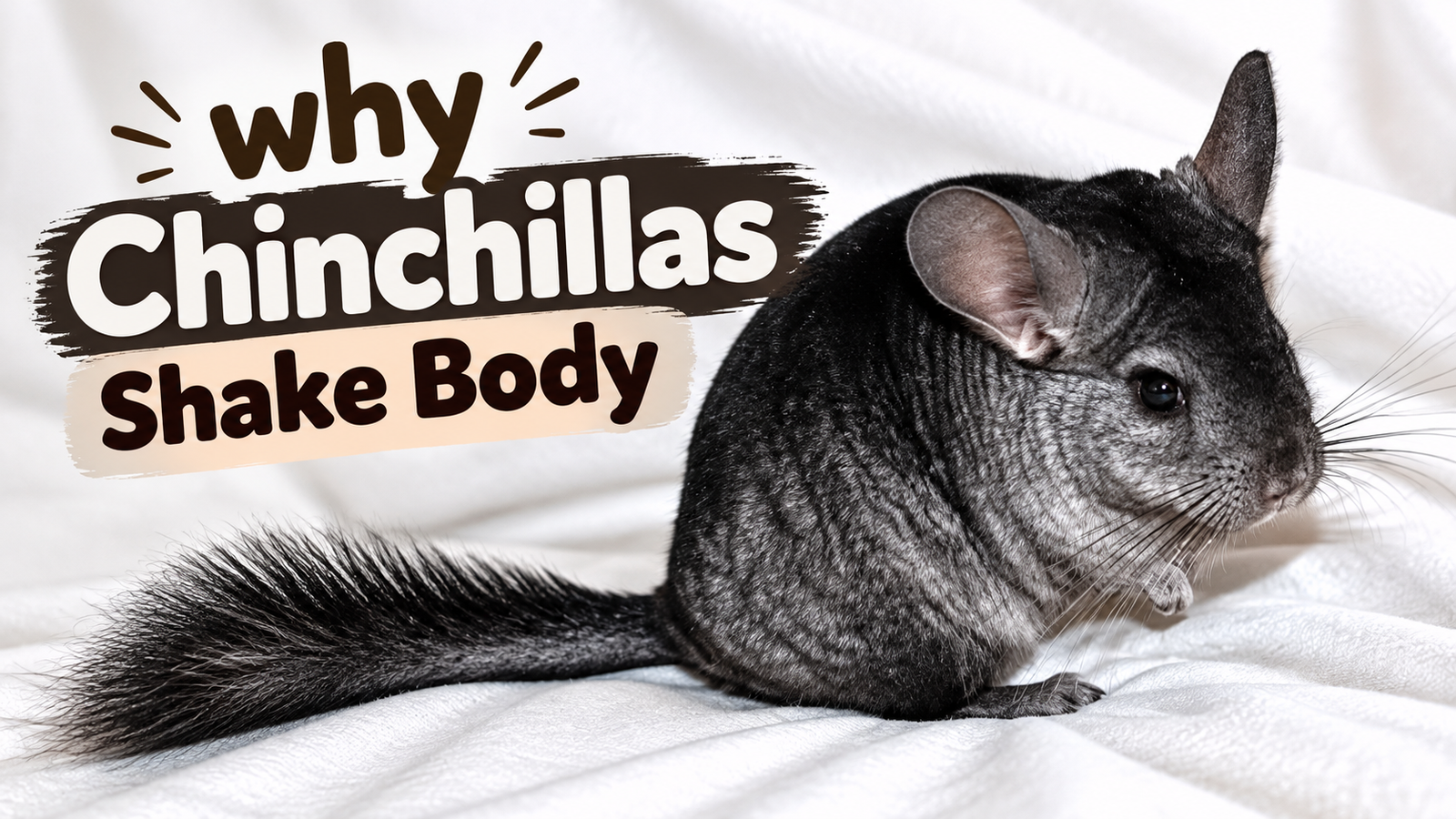
Why Does My Chinchilla Shake Its Body?
If your chinchilla shakes its body, start with the simplest question: is the shaking happening during or right after a dust bath? Many owners notice brief, rhythmic quivering during normal dusting, along with a “fluffed up” look. Body shaking can also be tied to stress, pain, temperature issues, or respiratory irritation. The safest next step is a quick check of breathing, posture, appetite, and droppings, then matching what you see to likely causes and red flags.
Common Causes Behind Body Shaking
Chinchillas shake for a few different reasons, and the pattern matters. A short shaking session during a dust bath is often normal. Some chinchillas also shake after handling, after a change in routine, or when they settle into a new spot. In those cases, the shaking tends to be brief, and your pet remains alert, eats normally, and breathes comfortably afterward.
When shaking is paired with other signs, it may point to discomfort or illness. Pain (including dental pain), gastrointestinal upset, stress, or respiratory irritation can all change how a chinchilla moves and holds its body. Because chinchillas are good at hiding illness, shaking combined with “not quite right” behavior deserves closer monitoring.
Dust Bath Shaking Versus Illness
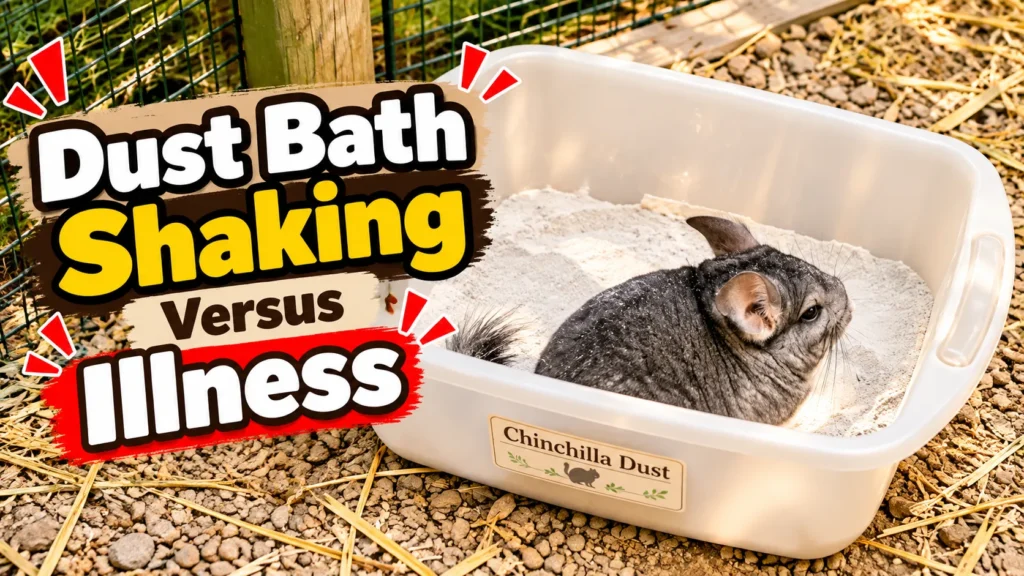
Chinchillas spend a lot of time grooming. Many will do a dust bath, then shake their body as the dust settles. This can look dramatic. Your chinchilla may look puffier, rub their face, or pause to groom after the shaking.
Illness-related shaking tends to come with more than one symptom. Pay attention to breathing quality, energy level, and stool. Signs that make shaking more concerning include noisy breathing, discharge from the nose, persistent hunched posture, repeated isolation, and refusal to eat. A chinchilla that shakes once and then resumes normal activity is a very different picture from one that keeps shaking over hours and seems uncomfortable.
Stress, Fear, And Environment Triggers
Shaking can also be a stress signal. Chinchillas are prey animals, so unusual sounds, new scents, rough handling, or sudden changes in lighting can make them tremble. If your chinchilla shakes when you approach the cage, during cleaning, or after you introduce a new item, the environment may be the driver.
Temperature swings matter too. Chinchillas can be sensitive to heat, and overheating can change behavior quickly. Drafty rooms, strong airflow from fans, or placing the cage near a vent can also cause distress. Even if shaking seems small, stress is important because it can reduce appetite and grooming.
Use low-pressure routines: move slowly, keep a consistent schedule, and avoid sudden grab-and-hold interactions. If the shaking is new, think about what changed in the last few days, such as a new cleaner, different room, new bedding, or a different handling routine.
Respiratory Irritation And Shaking
Respiratory discomfort can show up as whole-body shaking, flinching, or changes in breathing rhythm. Dust baths are part of normal grooming, but dust from the wrong material, dusty bedding, or environmental irritants can strain the airways. Fragrant products, aerosols, cigarette smoke, and certain strong cleaning chemicals can also irritate.
Watch your chinchilla’s breathing during and after shaking. Calm breathing should look effortless, with steady posture. Concerning signs include open-mouth breathing, tail bobbing or visible effort, persistent wheezing or clicking, and nasal discharge. If you see any of these, this is a situation where a veterinary exam is the safest move.
Keep the air around the enclosure clean and stable. Focus on what you can control: avoid aerosols, choose low-dust bedding, and ensure the dust bath setup is appropriate for chinchillas. If shaking continues even when conditions are stable, it may be more than routine grooming.
Pain, Dental Issues, And Gi Discomfort
Pain can cause shaking or trembling, especially if it changes how your chinchilla carries its body. Dental problems are a common concern in chinchillas, and discomfort may affect eating. GI upset can also lead to restlessness, hunched posture, or changes in movement that owners describe as shaking.
Because chinchillas hide pain, shaking plus reduced appetite deserves attention. Check for supporting clues: less interest in pellets, selective eating, dropped food pieces, smaller or fewer droppings, softer stools, or a “quiet” posture that differs from normal. If you recently changed diet or treats, consider whether the new food could be contributing to stomach upset.
Never try to medicate chinchillas with human pain relievers. Dosing risks are high, and many common medications are dangerous for small herbivores. Your best next step is careful observation, ensure easy access to favorite foods and water, and contact an experienced exotics veterinarian if the pattern persists or worsens.
What’s Normal After Handling Or Training
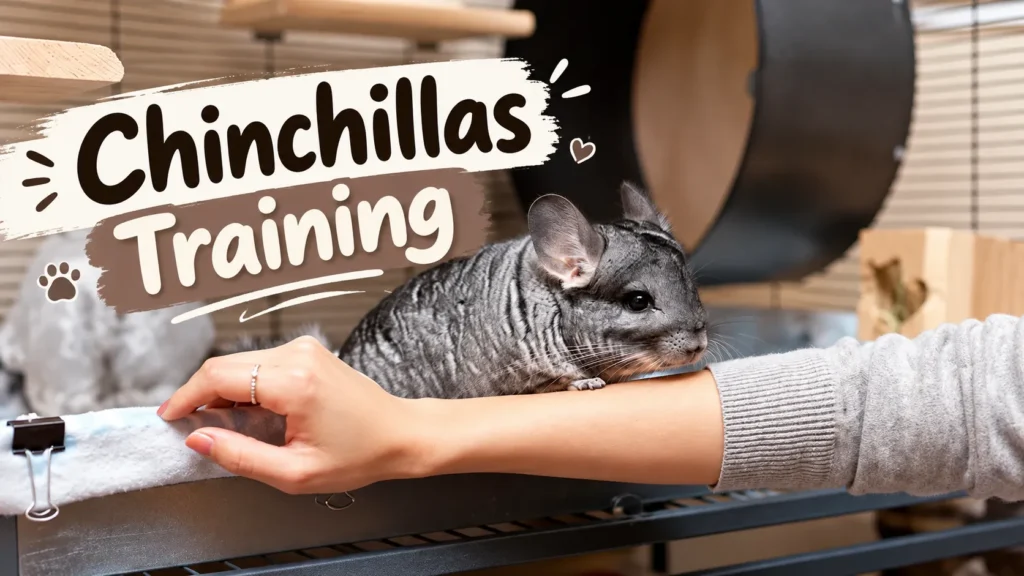
Some chinchillas shake when they are newly picked up, moved to the scale, or asked to interact. This is often a sign of nervousness rather than a medical problem, especially if it stops once your pet is placed back in a familiar setting and they resume normal grooming and eating.
For gentle behavior work, keep interactions short. Many chinchillas do best with calm, predictable sessions where they can choose to approach. Instead of chasing or grabbing, try target-style encouragement: offer a small, consistent reward and let your chinchilla step toward it on their own terms. Stop before your chinchilla gets more agitated, then end on a good note.
Age matters. For younger chinchillas, brief practice helps build confidence. For adults, keep routines consistent and avoid frequent startling events. For seniors, reduce handling time even further, because arthritis or dental discomfort can make being moved more stressful.
Age-specific Checks And Monitoring
Kits (under 6 months) are still learning routines. Shaking may be linked to excitement or uncertainty, but breathing changes and appetite drops still require attention. Make sure their environment is stable, their water and food are easy to access, and the dust bath setup is appropriate.
Adults (1 to 7 years) often show shaking patterns tied to normal grooming, stress from routine changes, or early discomfort. In this age group, “repeat shaking episodes” is a cue to investigate. Track how often it happens, what you were doing beforehand, and whether droppings and appetite stay consistent.
Seniors (8+ years) are more vulnerable to dental disease and chronic conditions that can cause discomfort. Shaking that comes along with slower movement, more hiding, reduced eating, or weight loss should be discussed with an exotics veterinarian. For all ages, if shaking comes with breathing effort or a sharp behavior change, arrange veterinary advice quickly.
| Age group | What to check first | When to call |
|---|---|---|
| Kits (under 6 months) | Breathing comfort, appetite, droppings | If appetite drops or breathing looks strained |
| Adults (1-7 years) | Pattern timing, stress triggers, repeat episodes | If shaking repeats daily or with other symptoms |
| Seniors (8+ years) | Eating behavior, dental signs, movement changes | If you notice weight loss, slower eating, or hunched posture |
When To Seek Veterinary Care
Many chinchilla shakes are harmless grooming or stress responses. Still, chinchillas can deteriorate quickly when something serious is going on, so it helps to know the “do not wait” signs. If your pet is breathing with obvious effort, has open-mouth breathing, has nasal discharge, is refusing food, or has dramatically reduced droppings, a veterinary visit is the safest next step.
For non-emergency but persistent shaking, use a time-based rule. Schedule a vet check if episodes continue for more than 48 hours, or sooner if you see worsening posture, reduced appetite, or changes in droppings. If shaking occurs alongside suspected pain, such as reluctance to chew, food dropping, or a hunched stance, contact an exotics veterinarian promptly.
While waiting for care, keep the environment quiet, maintain normal feeding access, and avoid dust bath changes. Do not add new supplements or medications. Your veterinarian may need to assess breathing and comfort level directly, and unnecessary changes can muddy the picture.
Quick Summary
The key distinction is whether shaking is brief and situational or persistent and accompanied by other changes. Breathing problems, nasal discharge, hunched posture, or refusal to eat warrant prompt veterinary advice.
FAQ
Is Chinchilla Body Shaking Ever Normal?
Yes, brief shaking during or right after a dust bath can be normal grooming behavior. It is more likely harmless when your chinchilla is alert, breathes comfortably, and continues eating and grooming afterward. Shaking with other symptoms, like breathing effort or appetite changes, needs attention.
What Should I Check During Shaking Episodes?
Start with breathing quality (effort, open-mouth breathing, noisy sounds), then posture (hunched or stiff versus relaxed), and lastly appetite and droppings. Note what was happening right before the shaking, such as handling, cleaning, or a dust bath. This helps you and your veterinarian judge urgency.
When Is Shaking A Vet Emergency?
Seek urgent veterinary care if your chinchilla has open-mouth breathing, clear breathing effort, nasal discharge, refusal to eat, or a significant drop in droppings. If shaking persists beyond 48 hours or keeps worsening, schedule an exotics vet visit promptly, even if the breathing seems okay.