Do Chinchillas Need a Companion? Pairs, Singles and Safe Introductions
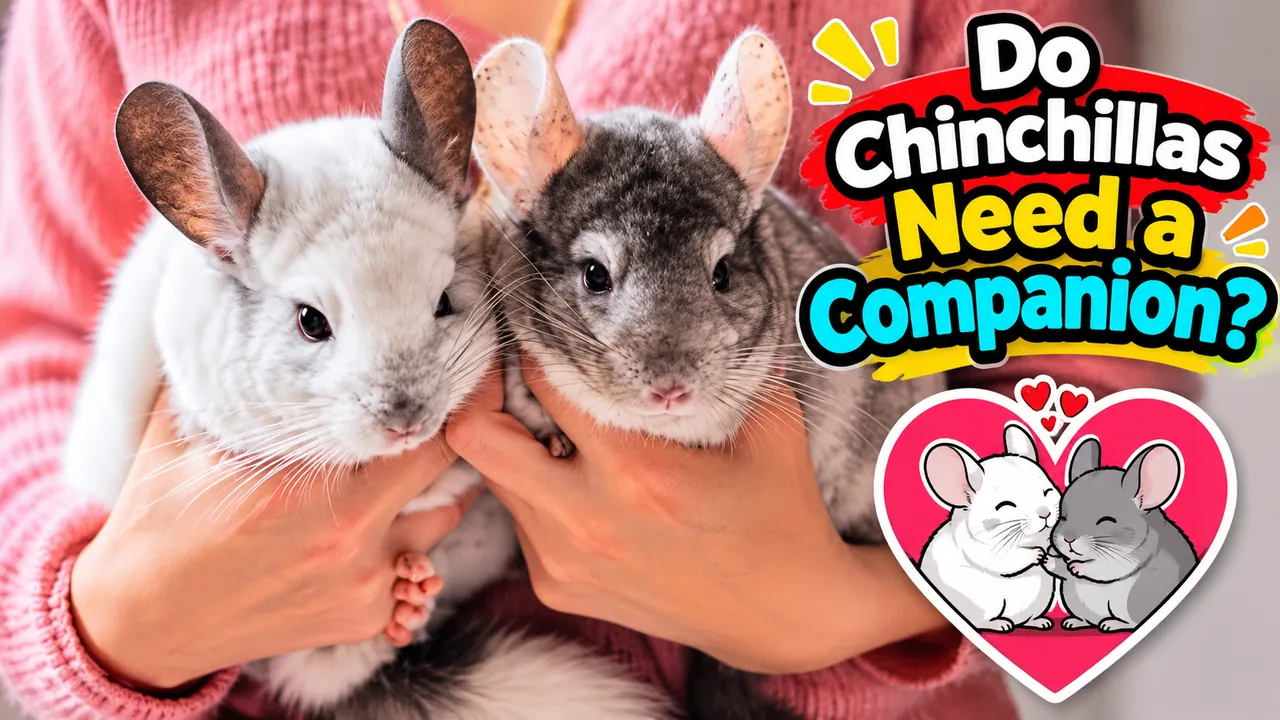
Chinchillas are social animals that live in colonies in the wild, so most do best with a same-sex companion. That said, a single chinchilla can live a happy life too, as long as you’re ready to spend real time with it every day.
This is one of those topics where good advice differs. Some welfare groups say chinchillas should always have a friend unless a vet advises otherwise, while many experienced owners keep contented solo chins.
So instead of a one-word answer, let’s look at both sides, then at how to pair chinchillas safely if you decide to.
The Case for a Companion
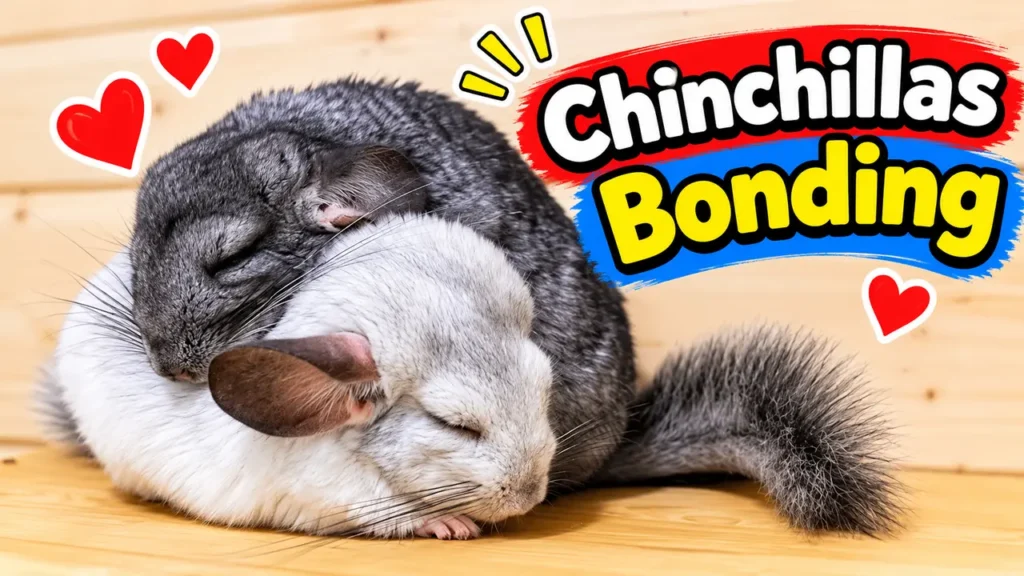
In the wild, chinchillas share burrows and rock crevices with others of their kind. They groom each other, sleep curled together and keep in touch with soft calls, all things a human can only partly replace.
A bonded pair also keeps each other busy while you’re at work or asleep. Watching two chins chase, groom and pile up for a nap is one of the real joys of ownership.
- Constant company during the hours you’re away
- Mutual grooming and cuddling for warmth and comfort
- More natural play and activity
- Less risk of boredom-related habits, like fur chewing
The Case for a Single Chinchilla
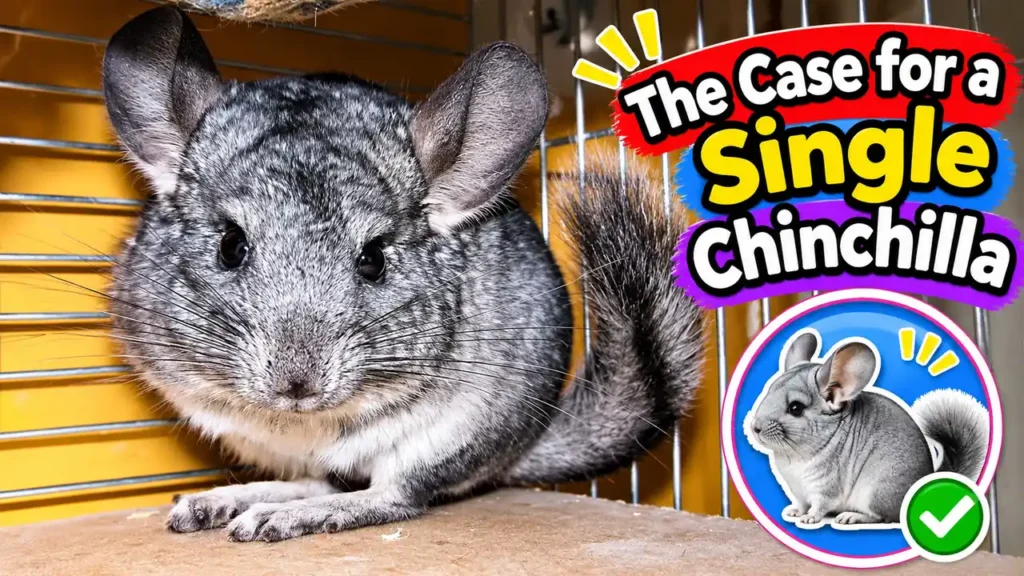
Not every chinchilla wants a roommate. Some are territorial, some have been on their own for years, and some simply never accept another chin no matter how carefully you introduce them.
A single chinchilla can thrive with an owner who provides daily attention, playtime and enrichment. In that case, you become a big part of its social world.
- No risk of fighting or injuries between cage mates
- Easier to monitor one chinchilla’s eating and droppings
- Lower costs for cages, food and vet care
- A chance to build a closer bond with you
One or Two? A Side-by-Side Look
| Factor | One Chinchilla | Bonded Pair |
|---|---|---|
| Social needs | Met mostly by you | Met largely by each other |
| Your daily time | Higher, at least an hour of interaction | Still needed, but less critical |
| Cage size | Large tall cage | Bigger cage with more ledges and hides |
| Costs | Lower | Roughly double food and vet bills |
| Health tracking | Easy to see who ate what | Harder to spot one chin eating less |
| Risk of fighting | None | Possible, especially without a proper introduction |
Which Pairings Work Best
Two females or two males
Same-sex pairs are the most common and the simplest choice. Siblings or young chins raised together often bond best, since introducing adults later can be much harder.
A neutered male with a female
A neutered male can live with one or more females without the risk of babies. Neutering should only be done by an exotic vet experienced with chinchillas.
Unneutered males and females
Avoid this unless you’re prepared to care for a mother and her kits. Chinchillas can mature at just a few months old, so check the sex of every chinchilla carefully, ideally with a vet or experienced breeder.
How to Introduce Two Chinchillas
Never just put a new chinchilla into an existing chin’s cage. They need time to get used to each other first, or they’re likely to fight.
- Quarantine the newcomer. Keep them in a separate room for a few weeks, commonly around a month, and have them checked by an exotic vet.
- Set up side-by-side cages. Place the cages a couple of inches apart so they can see and smell each other without touching.
- Swap scents. Exchange a small amount of used bedding or a hideout between cages, and try alternating dust baths.
- Meet on neutral ground. After at least a week of calm behavior, let them meet in a clean, neutral space or cage that neither one owns.
- Supervise closely. Keep sessions short at first and have a towel or thick gloves handy to separate them if a real fight breaks out.
- Move in together. Once they’re eating, resting and grooming calmly side by side, move both into a freshly cleaned cage at the same time.
Some pairs bond in days. Others take weeks, and a few never bond at all, so be ready with a backup plan.
Is the Bonding Working?
| Good Signs | Warning Signs |
|---|---|
| Sitting or sleeping close together | One chin constantly hiding or cornered |
| Grooming each other | Fur pulled out in clumps |
| Eating calmly side by side | Chasing that doesn’t stop |
| Relaxed following and exploring | Urine spraying, especially from females |
| Soft chirps and contact calls | Loud barking, screaming or bites that break skin |
Some mild squabbling and chasing is normal while they sort out who’s in charge. If injuries happen or one chinchilla is clearly bullied, separate them and try again more slowly later, or keep them in neighboring cages.
Chinchillas talk to each other constantly, and learning what those noises mean makes introductions much easier to read.
[Add your own note: whether you keep one chinchilla or a pair, and what you’ve noticed about their social life.]
Keeping a Single Chinchilla Happy
If you go solo, think of yourself as part of the colony. These habits help fill the social gap:
- Spend time near the cage every day, talking softly.
- Offer at least half an hour of supervised playtime outside the cage, ideally in the evening, and consider a safe exercise wheel.
- Rotate toys, chews and hideouts to keep things interesting.
- Hand-feed occasional healthy treats to build trust.
- Keep the cage in a room where people spend time, not tucked away alone.
Over time, many solo chins become surprisingly affectionate. Some will even groom their owners, which is one reason your chinchilla might lick you.
When a Cage Mate Passes Away
Chinchillas can seem withdrawn or eat less after losing a long-time companion. Keep a close eye on appetite, droppings and weight for the next few weeks, and give the survivor extra attention.
If you’d like to find a new friend for them, follow the same slow introduction steps. Don’t rush it while your chinchilla is still adjusting.
The Bottom Line
Most chinchillas enjoy the company of their own kind, and a same-sex pair is often the happiest setup. Still, a single chin with a devoted owner can thrive, so choose the option that fits both your chinchilla’s personality and the time you can truly give.