Is a Chinchilla a Good Pet? Honest Pros, Cons and Costs
Picture a soft gray ball of fur bouncing off the walls of its cage at 10 p.m., just as you’re getting ready for bed. That’s everyday life with a chinchilla, and whether it sounds charming or exhausting tells you a lot already.
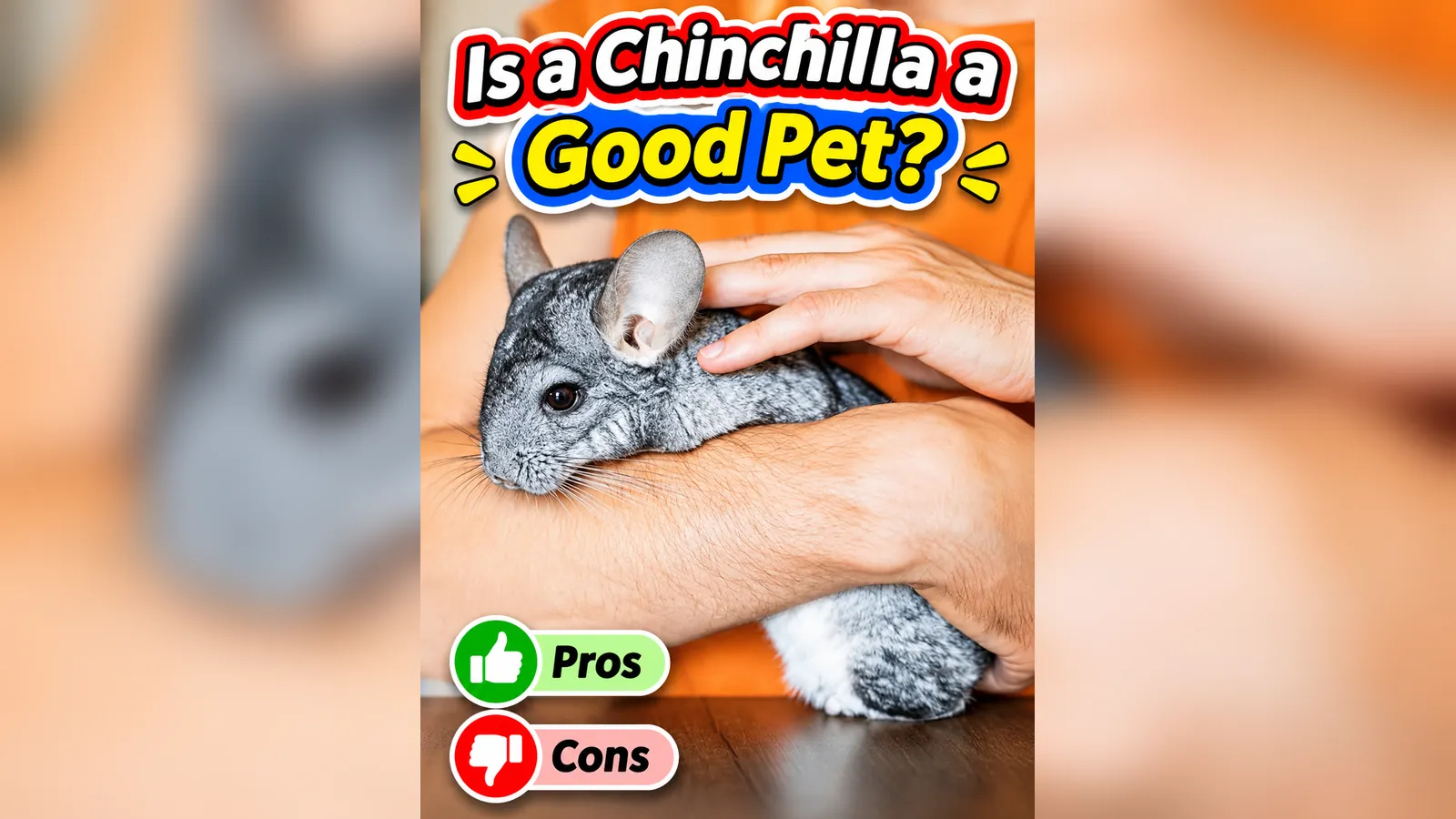
So, is a chinchilla a good pet? For the right person, absolutely. They’re clean, quiet during the day, nearly odorless and can live well over a decade, but they’re also fragile, sensitive to heat and not big fans of cuddles.
The Short Answer
A chinchilla makes a good pet for patient adults, teens and calm households who enjoy watching and interacting with an animal more than holding it. It’s usually a poor match for young children, hot homes without air conditioning, or anyone hoping for a pet that loves being carried around.
You’ll Probably Love a Chinchilla If…
- You’re home and awake in the evenings.
- You enjoy a pet with a big personality that’s fun to watch.
- You can keep one room cool all year round.
- You’re ready for a commitment of 10 to 20 years.
- A bit of hay and dust on the floor doesn’t bother you.
A Different Pet Might Suit You Better If…
- You want an animal to snuggle on the couch.
- Your home gets warm in summer and you don’t have AC.
- The pet would mostly be cared for by a young child.
- You have a dog or cat that can’t be kept fully separate.
- You’re a light sleeper and the cage would have to go in your bedroom.
What Makes Chinchillas Great Pets

They’re Clean and Nearly Odor-Free
Chinchillas groom themselves with dust baths, and their droppings are small and dry. With regular cage cleaning, most owners notice very little smell in the room.
They Stick Around for Years
With good care, a pet chinchilla often lives 10 to 15 years, and some reach 20. That’s a long friendship compared with hamsters, gerbils or rats.
They’re Full of Personality
Chins are curious, playful and seriously athletic. Watching them jump so high and ping around a play area never really gets old.
They’re Fairly Quiet
They do chirp, squeak and even bark, and it helps to learn what those noises mean. Even so, they’re much quieter than most birds or dogs.
The Challenges Pet Stores Don’t Mention
Most Aren’t Lap Pets
Many chinchillas tolerate gentle handling, yet they’d rather explore than sit still. Forcing cuddles usually ends in stress and sometimes a nip, and this guide on why chinchillas bite explains what’s behind it.
Heat Can Be Deadly
That thick coat means temperatures above about 80°F can lead to heatstroke. You’ll need a cool, steady room, which can mean running AC for months at a time in warmer areas.
They Keep Night Owl Hours
Chinchillas are most active around dusk and dawn, and they often run around at night. A cage in the bedroom can mean a lot of broken sleep.
They’re More Delicate Than They Look
Under all that fluff is a small, light body with fragile bones. A drop, a tight grip or a grab by the tail can cause serious injuries.
Vet Visits Need a Specialist
Chinchillas should see an exotic animal vet, and not every town has one nearby. Exotic appointments can also cost more than a standard cat or dog visit.
Pros and Cons Side by Side
| Pros | Cons |
|---|---|
| Clean, with very little odor | Most dislike being held for long |
| Long lifespan, often 10 to 15+ years | A long commitment that outlasts many life changes |
| Playful and entertaining to watch | Most active in the evening and at night |
| Quieter than many other pets | Very sensitive to heat and humidity |
| Simple diet built around hay | Need an exotic vet, which can be harder to find |
| No water baths needed | Dust baths can get messy |
Are Chinchillas Good Pets for Kids?
Chinchillas can work in families, but they suit older kids who can sit quietly and follow a few simple rules. Younger children often want to hold and squeeze, and a chinchilla will wriggle hard to get free, which can lead to falls or bites.
Either way, an adult should own the main care. Daily feeding, temperature checks and spotting early signs of illness all need a grown-up’s eye.
How Much Does a Chinchilla Cost?

In US pet stores, a chinchilla often sells for around $200, while breeders may charge more for special colors. Rescues and shelters take in chinchillas too, so adoption is worth checking first.
The bigger expense is usually the setup. A tall cage, safe wheel, shelves, hideouts, dust house, carrier and first supplies of hay, pellets and bedding add up quickly, and yearly exotic vet checkups should be part of your budget as well.
A Quick Self-Check Before You Decide
Answer these honestly. If every answer is yes, a chinchilla could be a wonderful fit.
- Can I keep their room cool, ideally 55°F to 70°F, all year?
- Am I happy with a pet that prefers exploring to cuddling?
- Will I be around in the evenings for playtime?
- Is there an exotic vet within reasonable reach?
- Can I commit to caring for this pet for 15 years or more?
[Add your own note: what surprised you most about living with a chinchilla.]
What Daily Life With a Chinchilla Looks Like
A typical day is quieter than most people expect. Your chin sleeps through much of the morning and afternoon, tucked into a hideout, then wakes up hungry and lively as evening rolls in.
Evenings are when the action happens. Topping up hay and water, spot-cleaning and supervised playtime add up to around 20 to 30 minutes of hands-on care, plus however long you spend simply enjoying their antics.
Weekly jobs like changing bedding and offering dust baths take a little longer. Our guide on how often to clean a chinchilla cage breaks it all into an easy routine, and our complete chinchilla care guide pulls everything together.
What You’ll Need Before Bringing One Home
- A tall, multi-level metal cage, sized using our guide to the best cage size for a chinchilla
- Safe bedding such as fleece, aspen or paper (compare the options here)
- Unlimited grass hay and plain pellets, explained in our daily feeding guide
- A glass water bottle or a heavy, tip-proof bowl
- A dust bath house and chinchilla-safe dust
- Hideouts, ledges and safe wood to chew
- A room thermometer, since heat is a serious danger
- A sturdy carrier for vet visits
Common Myths About Chinchillas as Pets
“They’re low maintenance.”
They don’t need walks or grooming appointments, but they do need a cool room, daily care and a specialist vet. Compared with a dog they’re easier, yet they’re far from a set-and-forget pet.
“They love being cuddled.”
That cloud-soft fur makes people expect a lap pet. Most chins prefer exploring and only enjoy short, gentle handling, which is why it pays to learn how to pick up a chinchilla safely.
“A single chinchilla will always be lonely.”
Many chinchillas enjoy a same-sex companion, but a solo chin with plenty of daily attention can thrive too. Here’s more on whether chinchillas need a companion.
My Honest Take
Chinchillas aren’t the easiest small pet, but they’re one of the most rewarding when their needs fit your lifestyle. Give them a cool home, a big cage and time on their own terms, and they’ll repay you with years of entertainment and a quiet, steady kind of companionship.