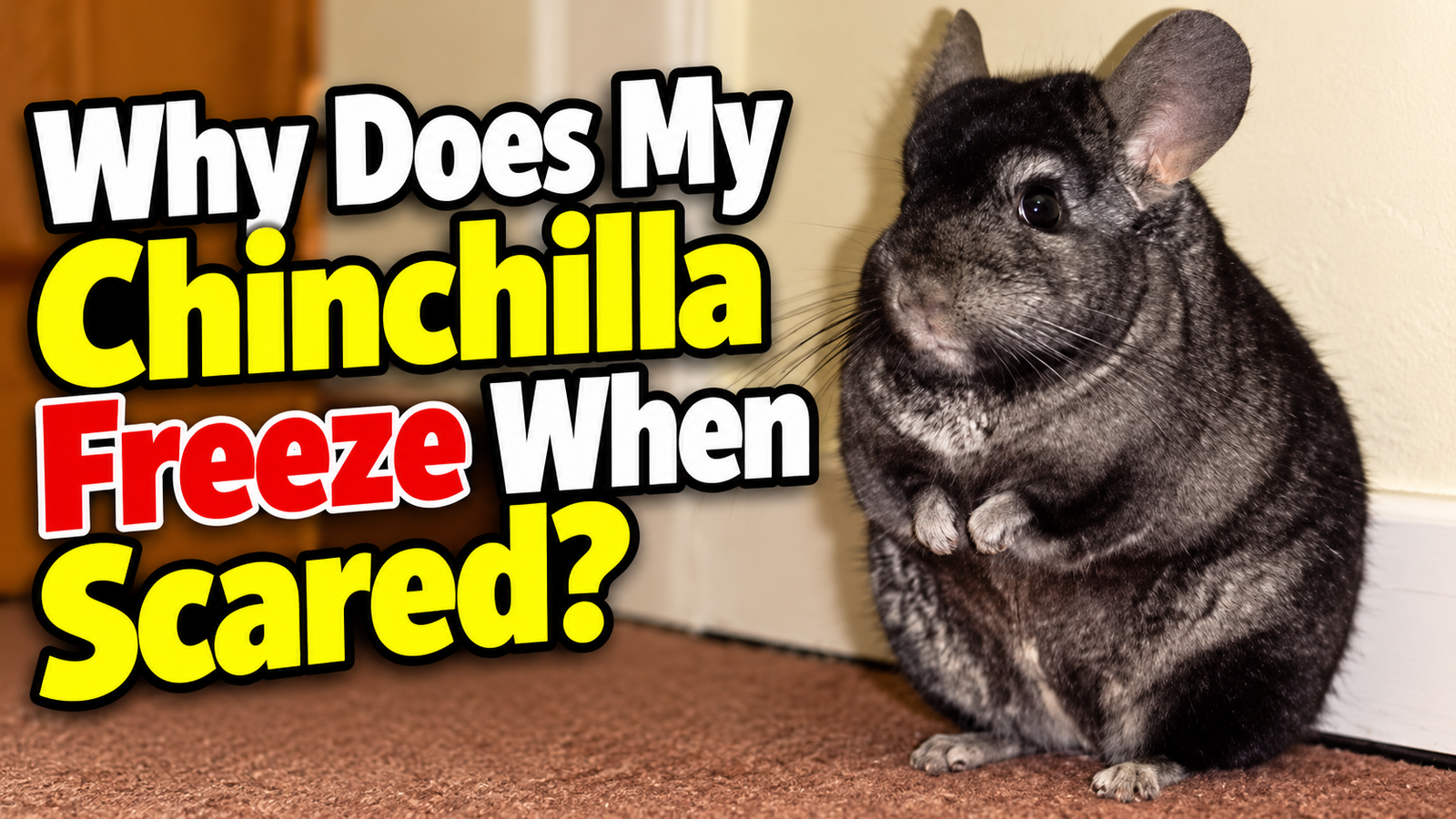
Why Does My Chinchilla Freeze When Scared?
Chinchillas commonly freeze when frightened, and the body language can look alarmingly still. A concrete first step is to check your chinchilla’s breathing and eye openness from a short distance, then remove the scary trigger without chasing. Freezing is an instinctive response that often helps the animal avoid detection. This article explains why it happens, what you can do safely, and when to contact an experienced exotic animal vet.
What Freezing Looks Like
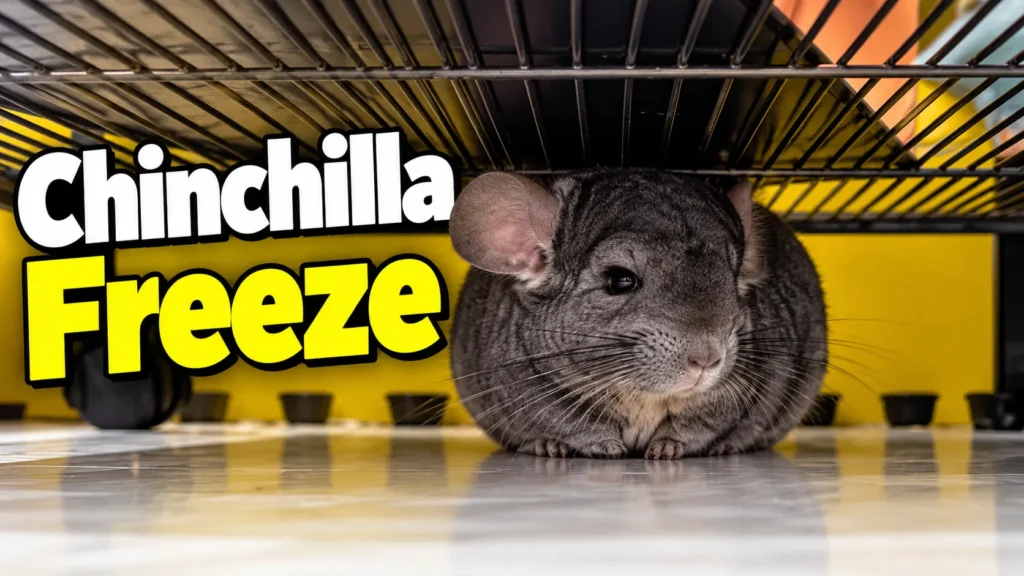
Freezing in chinchillas usually means your pet becomes very motionless and may lower its head or tuck in tightly. Some chinchillas also hold their ears in a set position, flatten their posture, or stop grooming and exploring. You might notice the cage area suddenly gets quiet, even if it was active moments before.
Because chinchillas are small prey animals, their “stillness” can reduce movement that might draw attention. Freezing is often followed by other fear signals, such as widened eyes, tail and body tension, tucked limbs, or rapid darting when escape becomes possible. The key is to differentiate “startled stillness” from signs of distress.
Normal alertness can include brief pausing, but prolonged stiffness plus visible stress cues suggests fear. If your chinchilla’s breathing looks labored, gums look pale or bluish, or the freezing comes with collapse, treat it as urgent.
Fear Response In A Prey Animal
Chinchillas evolved as prey species, so their nervous systems are tuned to respond quickly to potential threats. Freezing is one of the most common defensive behaviors in prey animals. When a chinchilla senses danger, it may “shut down” movement to avoid being noticed. This can happen even if you cannot see anything threatening, such as a low, unfamiliar sound, a new smell, or a sudden change in room lighting.
Freezing can also occur because the chinchilla is assessing risk. Many chinchillas prefer to gather information first, then decide whether to flee, hide, or approach. If you try to interact during this stage, your pet may interpret your movement as added threat.
From a training perspective, your job is to lower the overall risk and increase predictability. From a health perspective, you still watch for signs that fear is severe enough to affect breathing or general condition.
Common Triggers You Can Reduce
Freezing often reflects a trigger you can prevent with good husbandry and a calm routine. Start by thinking about what changed since the freezing began. Even small changes, like shifting the cage location, using a new detergent for bedding, or rearranging shelves, can matter to a chinchilla.
Pay attention to timing. Many chinchillas are most comfortable during their active period and may be more reactive during bright daytime naps. Sudden loud activity in the room can also lead to fear-freezing, especially if your chinchilla cannot retreat.
Make the environment “chin friendly.” Use gentle sound levels, avoid aerosol sprays, and keep the enclosure in a predictable location. Offer multiple hiding options and keep handling slow and consistent.
How Age And Handling Affect It
Age can change how likely freezing is, and also how quickly your chinchilla recovers. For very young chinchillas (under about 6 months), fear responses may be stronger because confidence is still forming. Young chinchillas need gradual, low-stress familiarity to build that confidence. Gentle routines and predictable cage access help them learn that you are safe.
For adults (about 1 to 7 years), freezing is commonly tied to specific triggers and to how comfortable they are with handling. If your chinchilla has had rough captures in the past, it may freeze more often when you approach. For senior chinchillas (over about 7 years), discomfort, arthritis, dental pain, or vision changes can make sudden stimuli feel more threatening. In that case, freezing may be partly fear and partly “I feel unwell.”
| Life stage | What commonly drives freezing | What helps |
|---|---|---|
| Kits under 6 months | New experiences, quick movements | Slow approach, short sessions, consistent routine |
| Adults 1 to 7 years | Specific triggers, capture style | Desensitize to approach, offer predictable exits |
| Seniors over 7 years | Pain, reduced vision, stress fatigue | Vet check for discomfort, reduce startling light/sounds |
Safe Steps During A Freeze
When your chinchilla freezes, your goal is to lower the intensity of the situation without escalating the fear. Move slowly and speak softly if you normally do. Stand back to give space. Watch from a distance rather than trying to “test” the response with sudden touches or treats waved too close to the face.
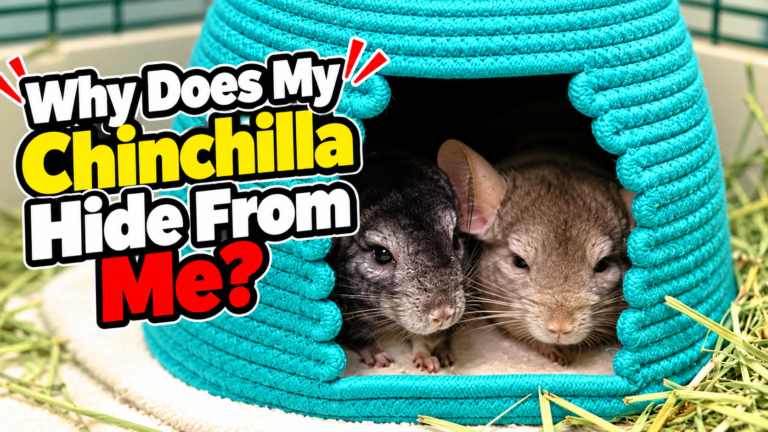
If your chinchilla freezes near the front of the cage, give an easy path to retreat to a hide. Avoid reaching over the head, because chinchillas often see it as a predator-like move. If you need to remove a trigger, do so calmly and with minimal vibration.
For example, turn down the source of loud noise rather than grabbing the chinchilla to relocate.
From my clinical experience with small mammals, many chinchillas recover quickly when triggers are removed and handling stays gentle. When recovery is delayed or the chinchilla appears unwell, that changes the plan.
When Freezing Signals A Health Issue
Freezing can be purely fear-related, but sometimes stress responses overlap with medical discomfort. Chinchillas can hide illness, so behavior changes are an important clue. If freezing is new, frequent, worsening, or paired with other signs, schedule a vet evaluation with an exotic animal veterinarian.
Be especially cautious if your chinchilla shows breathing changes, such as open-mouth breathing, persistent nasal discharge, or labored breaths. Changes in appetite and droppings also matter. Many owners notice that fear-based freezing happens with loud events, but health-related freezing may occur even without clear triggers.
Schedule a vet check if the behavior persists for more than 48 hours, if it repeats daily, or if you see any breathing or appetite changes. If you ever see severe respiratory distress, treat it as urgent.
Training For Calm Confidence
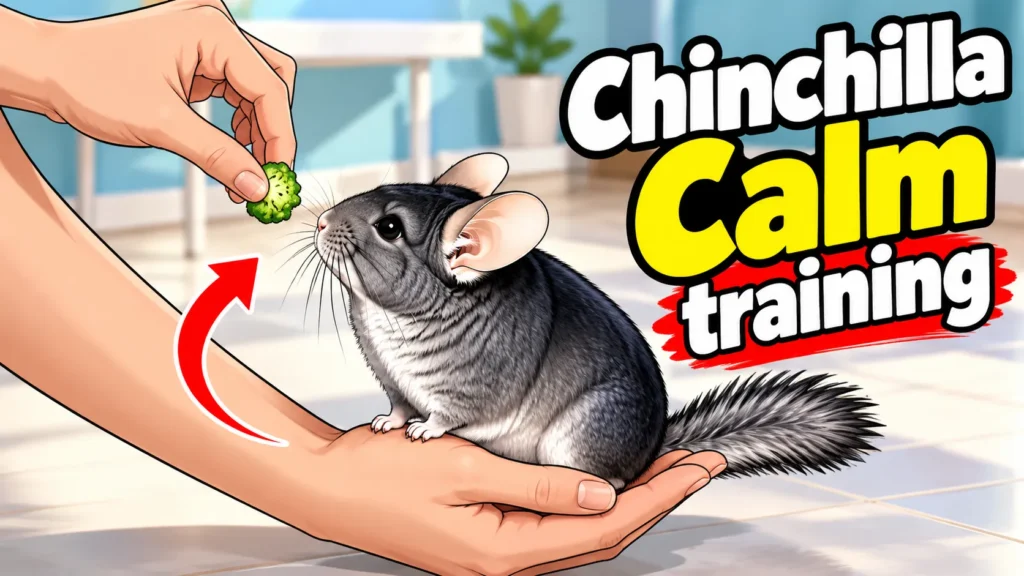
Training works best when it is reward-based and pressure-free. The aim is to help your chinchilla predict your actions and feel safe enough to move instead of freezing. Start with very small steps.
For example, approach the cage at a predictable time, pause, then toss a small favorite treat near the entrance without grabbing. This teaches that your presence means good things, not capture.
Desensitization should be gradual. If your chinchilla freezes, you are moving too fast. Increase distance or shorten the session until your pet stays calmer. The best progress is steady and small. Over time, you can practice brief hand contact on the cage bars, then offering treats through the opening, and only later attempting gentle touch if your chinchilla consistently chooses calm behavior.
From my clinical experience, chinchillas often improve faster when owners reduce sudden movement first, then add training gradually. The “best treat” is predictability.
For older chinchillas, prioritize comfort and keep sessions shorter. For younger chinchillas, focus on gentle consistency and avoid overwhelming exposure.
Preventing Future Scares
Prevention is where you get the biggest payoff. Start with enclosure setup and routine. Provide at least one covered hide and enough space to choose where to be. Keep bedding and nesting materials familiar, and avoid scented sprays. Keep room temperatures and air quality stable, because feeling too hot or uncomfortable can make fear responses worse.
Environmental control matters more than many owners expect. If you want to do cage cleaning, do it on a regular schedule at the same time of day and keep the cleaning area calm. During cleaning, move the chinchilla safely to a quiet holding area so it is not exposed to frantic activity or strong smells.
Finally, aim to read subtle cues. Many chinchillas show increased tension before full freezing. Noticing early signals lets you intervene gently before your pet becomes fully alarmed.
Quick Summary
Freezing is a common chinchilla fear response, tied to their prey-animal instincts and their need to assess risk. Motionless stillness often reflects stress, even if you cannot see a clear threat. Reduce predictable triggers, avoid chasing or grabbing during freezing, and use slow, reward-based training to build calm confidence. Seek an exotic vet check if freezing is frequent, prolonged, or paired with breathing or appetite changes.
FAQ
Is Freezing The Same As Stress In Chinchillas?
Freezing usually means your chinchilla is fearful or uncertain. It differs from mild alertness because the body becomes very still and recovery may take longer. Watch for added signs like tense posture, hiding refusal, or breathing changes. Those paired signs raise concern.
How Long Should Freezing Last?
Brief stillness after a surprise can settle quickly once the trigger is gone. If freezing lasts a long time, keeps repeating daily, or happens even without obvious causes, it deserves extra attention. Persistent freezing for more than 48 hours or with other symptoms is a vet-visit reason.
Can I Stop Freezing With Treats?
Treats can help when used for calm association, but you must not force interaction during freezing. Start with distance and pause, then reward when your chinchilla shows non-freezing behaviors. If fear keeps escalating or you see health signs, focus on trigger reduction and schedule an exotic vet exam.