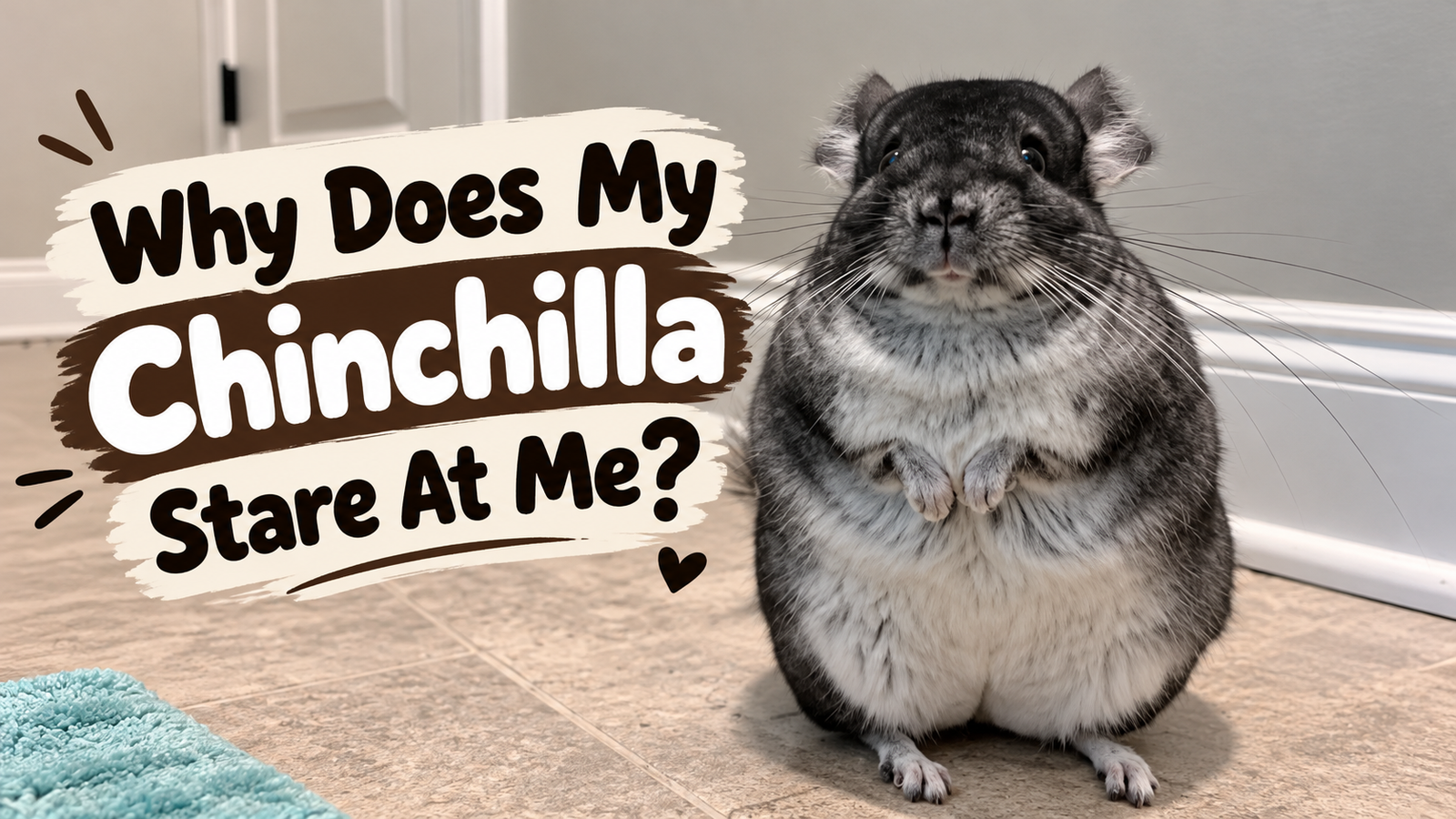
Why Does My Chinchilla Stare At Me?
Chinchillas have a quiet, intense stare that can look surprising, especially when your pet freezes with ears forward and steady eye contact. A good first step is to watch what happens right after the stare. Does your chinchilla approach, soften its body, or start grooming? Those details often tell you whether the moment is curiosity, bonding, stress, or pain. Relaxed posture, steady breathing, and normal eating or grooming generally point to curiosity or social interest, while tense freezing, pinned ears, appetite changes, altered droppings, or abnormal breathing call for closer attention. This guide breaks down common reasons, what is normal, and what should prompt a vet call.
Curiosity And Social Bonding Signals
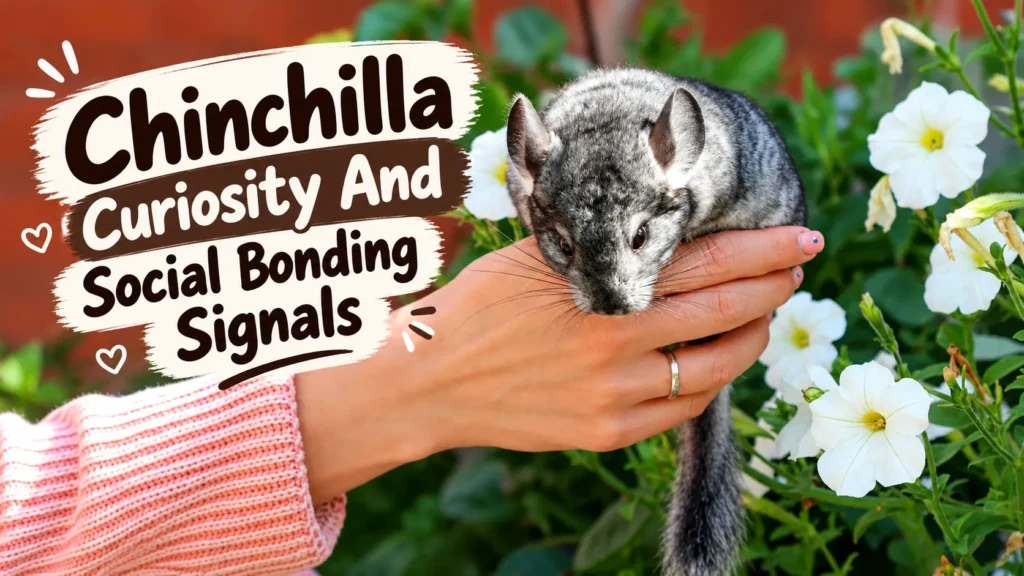
Chinchillas are naturally alert and visually oriented. Many individuals stare because they are checking you out, tracking movement, and confirming “safe or not.” A friendly stare is often paired with relaxed posture, slow movement, and normal breathing. You might see the chinchilla lean forward, sniff the air, or come closer after you stop moving. If your chinchilla then takes treats, uses its dust bath area normally, and continues typical play, the stare is usually social interest.
Pay attention to the body language surrounding the stare: a loose tail, ears staying in a comfortable position, and no frantic darting can help distinguish interest from alarm. A return to hay eating or grooming also supports a relaxed interpretation.
Trust Building With Calm Eye Contact
In many chinchillas, eye contact becomes part of bonding. Your presence is predictable, and your chinchilla learns your routines: feeding time, cage-cleaning time, and when you sit nearby. Some chinchillas stare during quiet moments because they want to be included, similar to how they may “check in” with herd members. If the stare happens after you speak softly, offer a familiar treat, or hand them safe items, it often means your chinchilla is comfortable.
To support this, use slow, low-pressure interactions. Sit near the enclosure, talk gently, and avoid sudden reach-ins. Offer treats by placing them near the cage opening rather than pushing your hand into their space. When your chinchilla approaches, you can mark the moment with a calm voice and then let them choose the interaction.
Expectation At Routine Times
Chinchillas are creatures of routine. If the stare happens around the same time each day, it may be anticipation. Your pet might be waiting for hay replenishment, pellet feeding, or a fresh dust bath setup. In that case, the stare is less about “meaning” and more about communication: “It is time.” Many chinchillas also stare when they hear you move in the room, since sound cues can predict events.
A mild, steady gaze with relaxed posture is different from a frantic, wide-eyed, crouched stance. If you notice your chinchilla repeatedly staring with agitation (for example, pacing while staring), consider whether their environment needs adjustment, such as enrichment, hide access, or a consistent schedule.
Stress, Fear, Or Overstimulation
Not every stare is positive. When chinchillas feel threatened, they may freeze, hold intense eye contact, and keep still. This can happen if another pet in the home approaches, if there is loud noise, or if your movements feel too fast or too close. Stress staring may also show alongside other signs: tense body, ears held tightly back, sudden avoidance, or refusal to eat. Some chinchillas also stare when they are uncomfortable with handling or when the room is too warm.
Overstimulation can also come from frequent interruptions. If you open the cage often, shine bright lights, or interact in a way that overwhelms your chinchilla, they may stare as a coping response, like “watching for what happens next.” The goal is to reduce pressure, not to test them.
Pain, Illness, Or Discomfort Clues
Sometimes a chinchilla stares because something hurts. Pain and illness can change how alert they appear, sometimes making them look unusually still or “glassy.” Because chinchillas can hide sickness, behavior changes matter. Watch for a mismatch: your chinchilla stares more than usual, then stops engaging with normal activities like hay eating, grooming, or dust bathing. Appetite changes are especially important with small herbivores.
If you notice lethargy, decreased droppings, hunched posture, abnormal breathing, or your chinchilla seems quieter and less responsive than usual, contact an exotics-experienced veterinarian promptly. Do not assume it is “just personality.” Early care is safer and often more effective.
From my clinical experience, the combination of a behavior change plus reduced eating or abnormal droppings is a strong reason to seek a vet check the same day.
Territorial Behavior And Resource Guarding
Chinchillas may guard their space, especially if they feel their cage is being invaded. A staring chinchilla can be a warning posture during cage cleaning or when another animal approaches. This is more likely if you reach in often or if you handle from above without giving a choice. While chinchillas are not “dominant” in the training sense the way some dogs are, they can still act protective of a favorite spot, dust bath area, or hiding place.
If guarding is the pattern, adjust your routine. Change how you enter the enclosure, reduce sudden reach-ins, and prioritize calm, predictable handling. Offer enrichment in a way that does not require you to take items away abruptly. When your chinchilla is guarding, your job is to make the situation easier, not to argue with it.
Comfort, Temperature, And Habitat Factors
Environmental comfort can affect chinchilla behavior. If the room is too warm, too drafty, or lighting is harsh, your chinchilla might freeze and stare as it tries to cope. Chinchillas do best with stable, cool conditions and safe, dry air. Heat stress can quickly become serious in small pets, so treat temperature discomfort as a medical concern if you see panting, extreme lethargy, or sudden collapse.
Habitat layout matters, too. If your chinchilla’s hiding spots are limited or the cage location has constant foot traffic, they may stare more because they feel exposed. Provide a hide, safe chew items, and appropriate chew opportunities. When the stare is followed by normal dust bathing and steady movement, it often indicates comfort and curiosity rather than illness.
How To Respond During A Stare
The safest, most helpful approach is to respond to the whole picture. Start by pausing. Avoid leaning in, sudden hand movements, or forcing interaction. Sit quietly for a few minutes and observe posture, breathing, and whether your chinchilla returns to eating or movement. If your chinchilla seems calm, you can use slow, gentle voice cues and offer a treat near the opening.
If your chinchilla looks stressed or unwell, adjust the environment first (quiet room, stable temperature, reduced handling). Schedule an exotics vet evaluation if concerning signs persist beyond 24 hours, or sooner if they worsen.
Quick Summary
A chinchilla may stare because it is curious, bonding, expecting routine feeding, or watching your movements. Reduce pressure, adjust environment comfort, and observe the next 30 to 60 minutes. Seek exotics vet care promptly if symptoms persist or worsen.
FAQ
Is It Normal For A Chinchilla To Stare A Lot?
Often, yes. Many chinchillas stare during quiet bonding, routine anticipation, or curiosity about your movements. A dramatic change in behavior alongside appetite or droppings changes is a different situation.
What Should I Do During A Scary Stare?
Pause and give space. Avoid reaching in or trying to “correct” the moment. Move to a quieter area, reduce sudden sounds, and keep the temperature stable. If the stare comes with pinned ears, hiding, refusal to eat, or weakness, contact an exotics veterinarian promptly for advice.
When Does Staring Mean Illness?
Staring can be a sign of discomfort when it accompanies a sudden personality change or other unusual behavior. Chinchillas can hide illness, so contact an exotics vet soon when you notice a significant change.