Why Do Chinchillas Roll In Dust?
Chinchillas roll in dust often, and it is usually a normal grooming behavior. A key clue is that they do it during calm moments, with quick, repeated movements, and they keep their breathing comfortable. One practical step you can take today is to offer a dust bath with the right setup (deep, fine dust and a safe time limit) so your chin can clean their fur without turning it into a health risk.
Dust Baths Look Strange, But They’re Normal
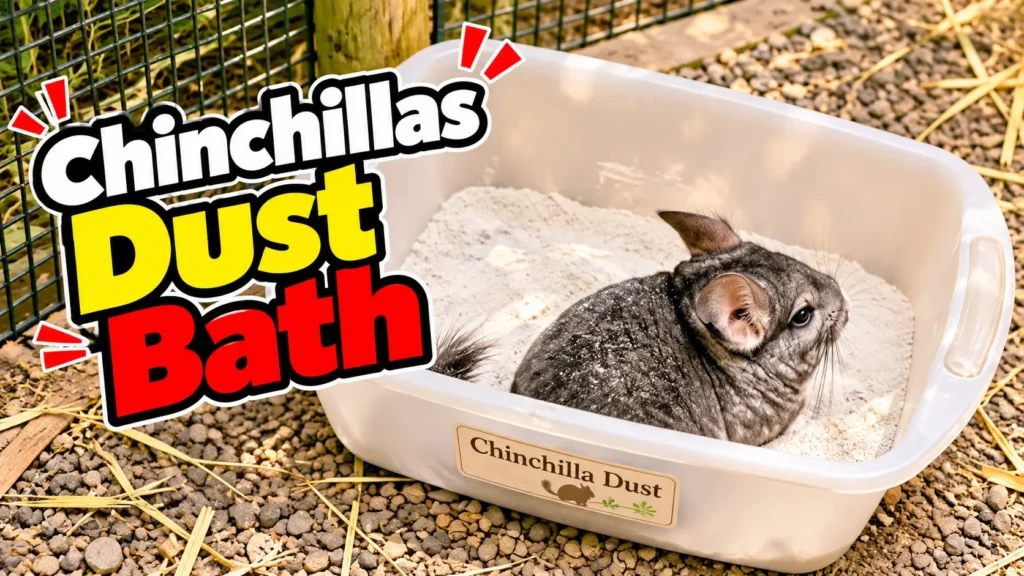
Chinchillas have dense fur that does not work like many other pets. Water bathing can create problems for their coat because their fur holds moisture and can be slow to dry. Dust bathing is different. When chinchillas tumble in fine dust, the dust helps lift loose oils and debris from the fur, and it also helps keep the coat from clumping.
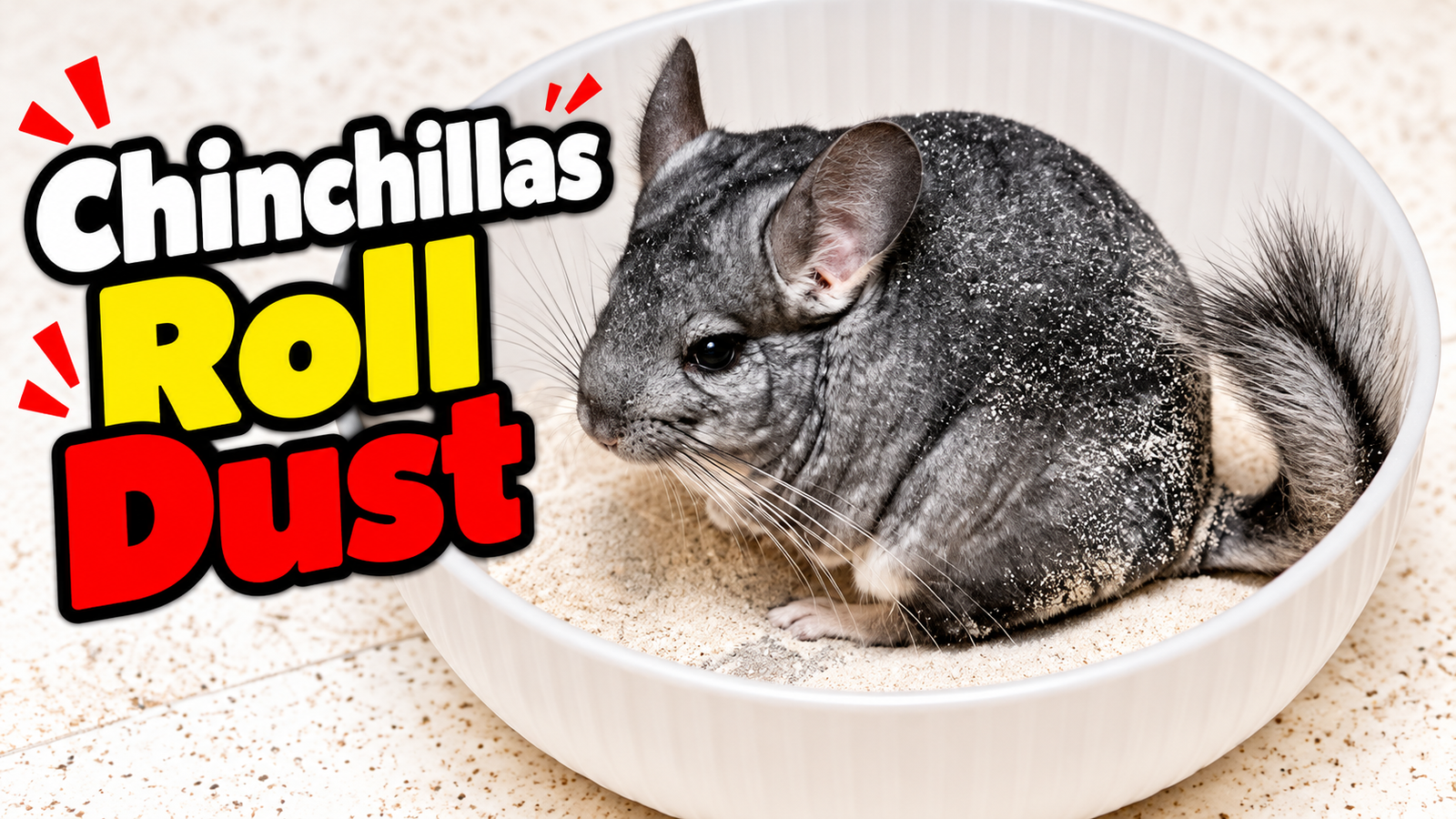
Many owners describe the behavior as dramatic, but it is often predictable: your chinchilla may sit, kick a little, then start rolling and shaking as if they are “playing” in the bedding. When the chinchinilla remains alert, has normal breathing, and keeps eating and acting mostly the same before and after, the rolling is very likely part of natural grooming.
Because source coverage was limited, it is best to treat this as behavioral guidance, not a medical diagnosis. If your chin seems ill or the dust bath is causing distress, use the vet visit guidance later in the article.
The Fur And Skin Job Dust Helps With
The main reason chinchillas roll in dust is coat care. Their fur is thick and close-packed, and that means oil and debris can build up between hair strands. Dust bathing provides a dry way to help remove that buildup.
Owners sometimes worry that dust baths irritate skin, but chinchillas generally choose this behavior when conditions are right. After a good dust bath, you may notice their coat looks lighter, more separated, and less clumped. That change is part of how dust bathing works.
Because limited evidence was found for very specific cause-and-effect details, observe how your individual chin responds. Some chinchillas use dust baths less often, while others seem almost obsessed.
Normal Bathing Patterns Vs Concerning Signs
Chinchillas often roll, pause, then roll again. You might see them “shake off” dust. Sessions may be active without being panicked. Your chin may go back to eating afterward, or return to regular routines quickly.
Concerns arise when dust bathing looks forced, rushed, or paired with illness signs. Dust can irritate airways, and if your chin has a respiratory problem, dust exposure can make it worse. Watch for changes in breathing (open-mouth breathing, wheezing), posture (hunched, hiding), and appetite.
| What You See | Usually Normal | Needs a Vet Call |
|---|---|---|
| Breathing | Quiet, steady | Labored breathing, wheezing, open-mouth breathing |
| Energy | Active, curious | Lethargy or hiding for long periods |
| Eating | Normal interest in food | Reduced appetite or refusing favorites |
| Timing | Short, regular sessions | Very long sessions or constant dust exposure |
| Behavior | Calm grooming after rolling | Agitated, distressed, or repeatedly stopping and starting |
If breathing is labored, call an exotics vet or urgent animal clinic right away. Do not wait for the next dust bath.
How To Offer Dust Baths Safely
Safety comes from setup and limits. Dust should be appropriate for chinchillas, kept clean, and offered in a way that reduces unnecessary airborne dust. A common mistake is leaving the bath access open for the whole day, which can lead to dust accumulation and repeated exposure.
Instead, treat dust bathing like a timed enrichment activity. Offer it in a separate container or dedicated area so the rest of the enclosure stays cleaner. After the session, remove the bath promptly and avoid refilling with old, clumped dust.
Because no precise “minutes per day” guidance was found in the provided research, it is safest to start conservative and observe. Follow your vet or reputable exotics care guidance for an appropriate routine.
Age And Health: Kits, Adults, Seniors
Kits (Under 6 Months)
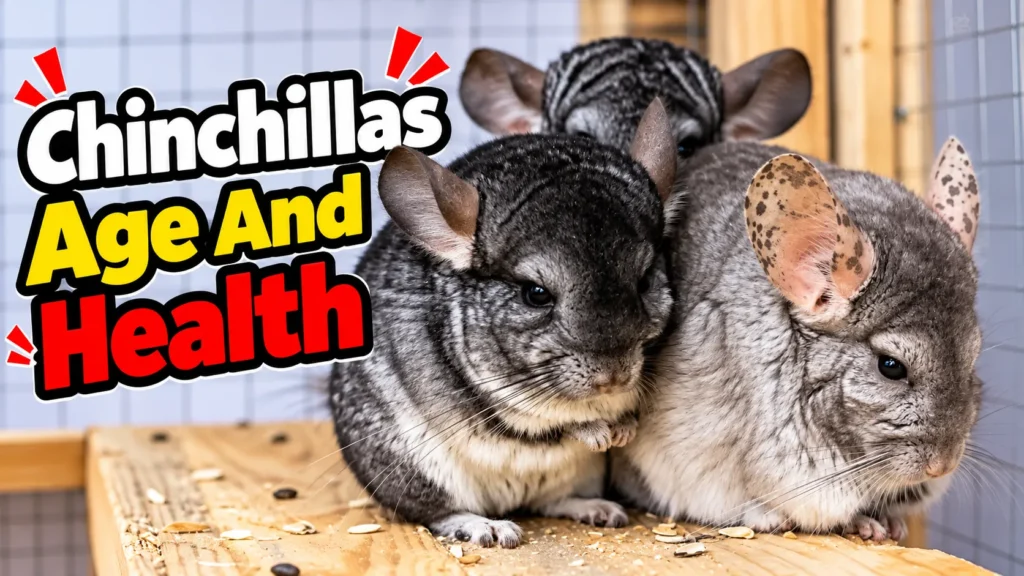
Young chinchillas are learning routines and building comfort with handling and enclosure changes. Start dust bathing gently and with extra supervision. If a juvenile startles easily or sneezes repeatedly, shorten the session and focus on comfort. Keep the rest of the enclosure clean to reduce dust in general.
During growth, appetite and energy matter most. If your young chinchilla eats less, is quieter than usual, or shows breathing changes after dust baths, stop dust access for the moment and arrange a vet check.
Adults (6 Months To 7 Years)
Most adult chinchillas enjoy regular dust baths. A good baseline is to offer sessions when your chin is active, then remove the bath afterward. Adults can usually handle typical dust bath routines, but repeated exposure may still increase dust in the environment, so cleanliness matters.
If dust bathing triggers sneezing or coughing, your adult may be more sensitive, and you should scale back and ask an exotics vet for individualized guidance.
Seniors (Over 7 Years)
Older chinchillas can be more prone to respiratory issues. Dust baths can still be helpful for coat care, but the session should be conservative. Watch breathing closely during and after bathing. A senior chin that gets winded, hides afterward, or stops eating should be examined promptly.
From a clinical perspective, I focus on quality of comfort over frequency. Even if a senior bathes less often, their fur can still look healthy if the environment is kept clean and dust exposure is controlled.
Common Owner Mistakes To Avoid
Many “mysteries” about rolling in dust come from well-meaning setup choices. The most common issue is using the wrong bath material or letting dust get mixed with bedding, which increases airborne particles and can irritate the nose and lungs.
Another mistake is leaving dust baths available all day. Chinchillas may keep rolling and digging, which can create a dust cloud every time they move. That may look like more grooming, but it increases the chance of respiratory irritation.
When choosing a dust, stick with products made specifically for chinchillas and keep dust exposure controlled. If you are unsure whether a product is appropriate, ask your exotics vet or a qualified small animal nutrition and care professional.
When To Get Veterinary Care For Dust-bath Behavior
Dust bathing becomes a medical concern when it coincides with abnormal symptoms. Chinchillas can have respiratory sensitivity, and dust exposure may worsen underlying problems. Veterinary assessment is also important if the dust bath behavior changes suddenly, such as rolling more than usual paired with hiding, reduced appetite, or breathing changes.
Schedule a vet check if symptoms persist for more than 48 hours, even if they seem mild. If symptoms worsen, contact an exotics vet sooner. A quick exam can help your veterinarian determine whether the issue is irritation, infection, or another condition unrelated to dust bathing.
From my clinical experience, a chinchilla that is otherwise bright but sneezes lightly once or twice after a bath may settle with reduced dust exposure and better enclosure cleanliness, but a chinchilla that struggles to breathe needs prompt exotics care.
Cost estimates vary widely by region, and no precise figures were available in the provided research. Expect an exotics exam and possible diagnostics to cost more than a standard cat or dog visit, so ask your clinic for an estimate when you call.
Quick Summary
Chinchillas roll in dust mainly for dry grooming, helping lift debris and excess oils from their dense fur. Keep dust baths controlled with clean setup and removal after the session. Scale back for juveniles and especially seniors if breathing or energy changes. Seek exotics veterinary care immediately for labored breathing, and schedule a visit if symptoms last beyond 48 hours.
FAQ
Is Dust Rolling Always A Sign Of Good Grooming?
Dust rolling often is normal grooming, especially when your chinchilla remains relaxed. It can also happen when a chinchilla is trying to relieve mild irritation. If rolling becomes frantic or you see respiratory signs, get professional guidance.
How Often Should A Chinchilla Dust Bathe?
Frequency varies by individual, environment cleanliness, and health. Start with conservative, timed sessions and observe comfort. Adults can often handle routine dust bathing, while seniors may need less exposure if they are respiratory sensitive. If you see sneezing, coughing, or breathing changes, reduce sessions and contact an exotics vet.
What Should I Do Right After A Dust Bath?
Remove the dust bath promptly to limit ongoing airborne dust. Check that your chinchilla is returning to normal behavior and eating. Wipe or vacuum surrounding areas if dust is present, and refresh enclosure cleanliness to prevent dust buildup. Stop and call for advice if symptoms appear or worsen.