Why Do Chinchillas Jump So High?
Noticing your chinchilla jump high can be thrilling, but it can also make you worry, especially if the jumps look sudden, frantic, or come with odd behavior. Chinchillas are jumpers by nature, yet repeated “up and down” bursts can sometimes point to stress, pain, or a setup problem. You will get clear ways to tell normal play from concerning jumping, plus steps you can start today.
Chinchillas jump high because they are built for leaping, exploring, and releasing energy, especially at dusk. Normal jumping is springy, goal-directed, and followed by calm eating or grooming. Call a vet soon if jumping is nonstop, sudden, painful-looking, or paired with hiding, limping, drooling, weight loss, or breathing trouble.
Why Do Chinchillas Jump So High? Basics?
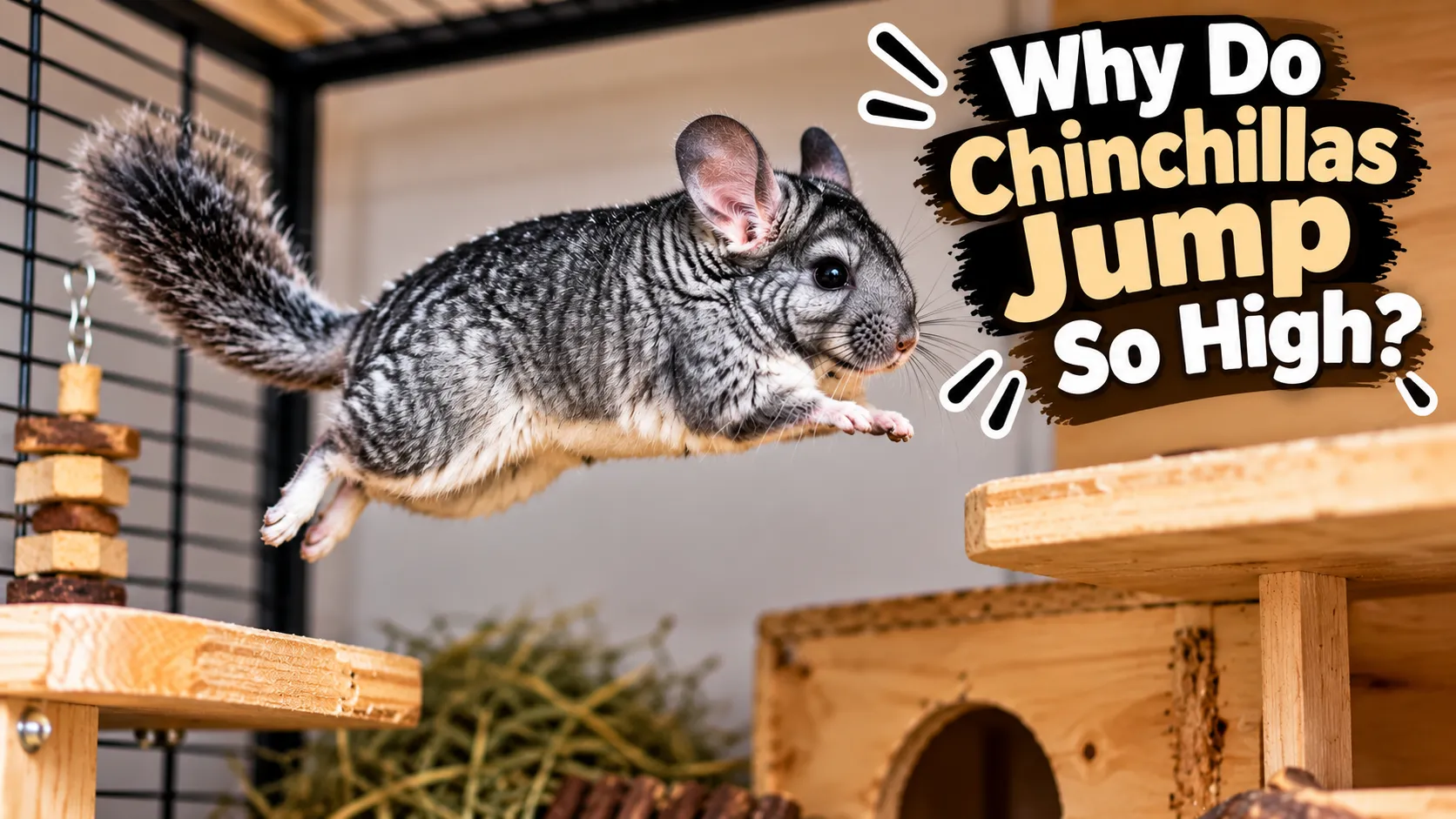
Chinchillas jump high because they are built for agility, and jumping is a normal way to explore their space. In many cases, high hops are part of play and excitement, especially during their active hours. The key is judging whether the jumping is playful and controlled or sudden, painful, and unsafe.
Normal Vs. Abnormal Jumping
Normal hopping is usually bouncy, rhythmic, and followed by natural behavior like sniffing, rearranging items, or moving on to another area. A chinchilla that can jump, land, and then resume eating and social routines is often expressing energy rather than discomfort. Normal jumping also uses safe footholds and does not come with guarding, yelping, or limping.
Abnormal jumping is more abrupt or repetitive, and it can come with signs of pain. Watch for refusal to climb, uneven landings, trembling during jumps, crouching, trouble with balance, or sudden hiding. Any jumping plus open wounds, swelling, or changes in appetite or droppings deserves a closer look.
| What you see | More likely normal | More likely needs a vet |
|---|---|---|
| Jump timing | Happens during play periods | Starts suddenly or keeps recurring in short bursts |
| Landing | Clean landings, quick recovery | Repeated slips, falls, or limping afterward |
| Body language | Alert, relaxed posture | Guarding, hunched stance, tail tucked, hiding |
| Appetite and droppings | Eating normally, normal droppings | Decreased appetite or abnormal stool |
| Vocalizing | Quiet | Yelping, distressed squeaks, persistent vocal discomfort |
Why Chinchillas Jump
Play and exploration drive a lot of high hopping. Chinchillas map their environment by investigating changes in height, texture, and sightlines, so a multi-level habitat encourages natural movement. Dust-bath sessions, foraging routines, and rotating hiding spots often increase confident climbing and hopping, which is good mental work.
Enthusiasm is also common when a chinchilla anticipates enrichment or a safe “run” area.
For example, a chinchilla may bounce toward a favorite perch after hearing you open a treat container. When you see this kind of bright, curious behavior, the goal is to make the leap safer and more rewarding, not to stop it.
Safety Goals And Red Flags To Watch
Safety first means sturdy ramps, shelves with good traction, and no loose platforms that can shift mid-landing. Keep jump distances reasonable by offering intermediate steps, and avoid tall, slick surfaces where a misstep can cause injury. Provide chew-safe, escape-proof barriers around wires and any gaps a chinchilla could squeeze into during frantic hops.
Red flags are sudden refusal to use a limb, repeated stumbling, swelling, blood, labored breathing, or a major appetite drop. Schedule a vet visit promptly if these signs persist more than 24 to 48 hours, or sooner if you see obvious injury or severe distress. Chinchillas are small and can hide pain, so “minor” behavior changes still deserve attention.
From my clinical experience, the safest approach is to treat high jumping as normal movement while you actively remove injury risks and monitor for pain signs. A well-designed enclosure turns anxious, risky bouncing into confident, controlled play.
Age matters for safety planning. For kits (under 6 months), keep levels shorter and use gradual ramps because coordination and landing habits are still developing. For adults (6 months to 7 years), prioritize traction, stable shelves, and regular enrichment rotations to channel energy safely. For seniors (over 7 years), reduce height and add supportive ramps because balance and joint comfort may change with age.
Breed And Age Differences
Chinchilla jumping height and frequency change with age and overall body condition, even when the animal looks “healthy.” Juveniles tend to jump more as they learn their environment, while adults often jump with more precision and less frantic movement. If jumping suddenly increases or becomes awkward, that change can be more important than how high it looks.
Juveniles Vs. Adults
Juvenile chinchillas usually show short, bouncy bursts that look like play, especially after resting. That youthful energy is normal, but it can expose enclosure weaknesses, like gaps between platforms or slick surfaces. Adults often prefer fewer, more deliberate jumps, and they may stop using the highest routes if their balance declines or joints are sore.
For example, a 3 to 5 month old chinchilla may repeatedly hop to the top shelf and back within minutes, then settle. In contrast, a 3 to 5 year old chinchilla may choose one favorite route, use it consistently, and spend more time observing. Matching your platform layout to these patterns prevents both boredom and injury.
Size And Physical Condition
Enclosure needs depend on body size and leg strength, since a heavier chinchilla can create higher impact forces even with the same jump height. Chinchillas with less muscle tone often land with smaller hops and may hesitate before a jump, which is a clue to adjust the layout. A recent weight change, stiff gait, or reluctance to climb can mean pain or weakness, and the safest plan is to revise access while you monitor closely.
Age-related jumping changes can also include more “misses,” wider stances on landing, or sitting longer after a climb. Those patterns can be normal learning or fatigue, but persistent awkwardness, one-sided hopping, or visible pain needs a vet visit.
| What you see | Often normal | Needs vet check |
|---|---|---|
| Jumping frequency | Short play bursts in juveniles, then rest | Sudden persistent increase, especially after a calm period |
| Landing quality | Even landings, quick recovery | Repeated slipping, toe dragging, or collapse after jumps |
| Use of height | Adults choose the same preferred route | Refusal to use one platform or sudden avoidance of climbing |
| Comfort signs | Normal grooming and appetite | Protective posture, vocalizing, reduced appetite, or lethargy |
From my clinical experience, the safest “enrichment” is often enclosure design. When ramps and landings match the chinchilla’s age and current mobility, you get more safe exploration and less accidental injury.
Practical safety note by age: juveniles benefit most from extra mid-level landings, adults benefit from solid, non-slippery surfaces, and seniors benefit from reduced vertical commitment. Keeping these adjustments consistent helps you tell normal learning from a problem that deserves veterinary attention.
Nutrition And Feeding For Jumping Health
Chinchillas are high-energy grazers, and the right diet keeps that energy steady while supporting strong bones and a healthy coat. Balanced fiber, correct portioning, and fresh water reduce the “zoomy” spikes that can happen when pellets or treats are too rich, too frequent, or too tempting.
Balanced Fiber And Hydration
Hay should make up the core of daily nutrition because chinchillas need constant, fibrous grinding to support healthy digestion. Provide unlimited timothy hay for most chinchillas, and keep hay racks low enough to prevent risky climbing or jumping directly from the floor.
Clean, fresh water helps prevent dehydration and dry skin, which can make animals more restless and itchy.
For example, a chinchilla that is mildly dehydrated may pace more and bounce harder, especially during low-humidity days.
From my clinical experience, chinchillas do best when their feeding routine is predictable and their “work” is in nibbling and foraging, not in frantic eating.
| Age | Amount | Frequency |
|---|---|---|
| Chinchilla (adult) | Pellets: about 1 to 2 tbsp per day (adjust to body condition) | 2 feedings, morning and evening |
| Jung/chicks (6 months and under) | Pellets: about 1 tsp per day for smaller youngsters, up to adult-style amounts as they grow (use body weight and growth) | 2 to 3 smaller meals daily |
For chinchillas under 6 months, growth needs matter, so avoid sudden diet changes and keep pellets and hay available daily. For seniors over 7 years, watch for reduced appetite and chewing changes, then focus on softer hay options and timely vet checks if eating drops.
Safe Treats And Limits
Safe treats support bonding and enrichment, but treat calories can push energy too high if portions are large or offered too often. Choose occasional, low-sugar options like tiny amounts of dried herbs (such as chamomile or rose petals) or a small pinch of plain dried forage.
Treat limits are simple: keep treats to no more than 1 to 2 small pinches per day, and don’t replace hay with treats.
For example, if you notice more frequent high jumps after treats, cut the treat amount by half for a week and reassess their overall activity.
Feeding Schedules To Match Activity
Feeding schedules should match chinchillas’ natural rhythm, with most calories delivered earlier in the day and consistent hay access throughout. Feed pellets at set times, then keep the rest of the day focused on hay and foraging toys to encourage calm, goal-directed movement.
| Situation | What can be normal | When to call a vet |
|---|---|---|
| Jumping after meals | Playful hops, normal posture, normal appetite | Jumping with appetite loss, drooling, weak stance, or repeated straining |
| Digestive changes | Occasional skipping of pellets with good hay intake | Reduced or no droppings, diarrhea, swollen belly – seek care promptly |
| Energy level | Brief zoomies and then settling | Persistent pacing, hiding, or worsening jumping for more than 24 to 48 hours |
Training And Behavior Approach
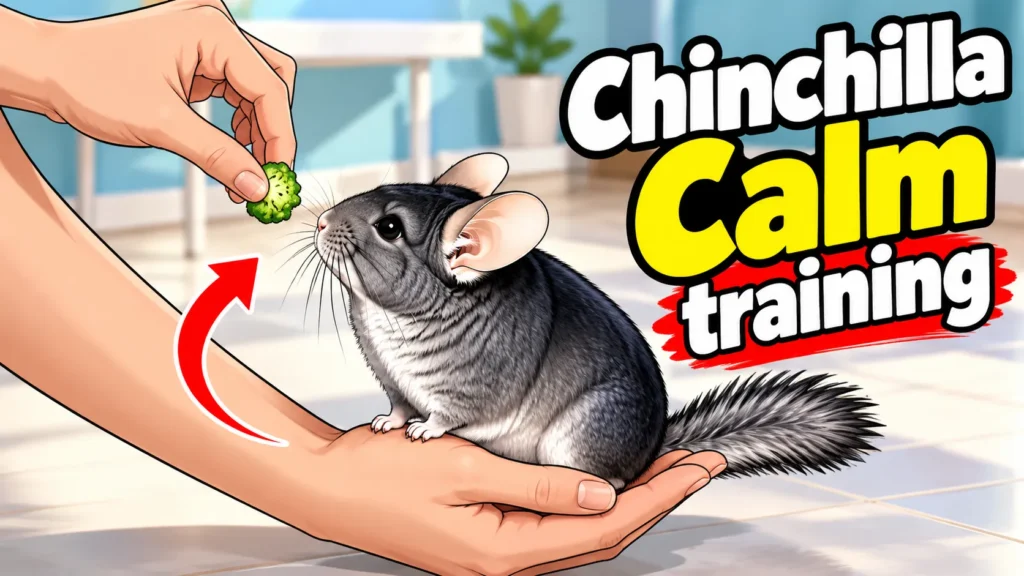
Safe, high jumping in chinchillas is usually a normal excitement and exploration behavior, but it becomes a problem when it increases fall risk or causes frantic, uncontrolled patterns. Training helps you steer that energy into predictable routes and reward the behaviors you want. The goal is a calm “jump on cue” routine, not less jumping.
Start with a quick behavior read so you train the right thing. Track when jumping spikes (after cleaning, feeding, bedtime, or handling), and watch for signs the jump is driven by discomfort, like hunched posture, rapid breathing, or repeated rubbing or biting at one spot.
Step-by-step Training Plan (Positive Reinforcement)
Use tiny sessions (1 to 3 minutes) and keep the environment safe, because chinchillas learn faster when they can succeed. Choose one target behavior to train first, like “jump to the platform,” then add a cue only after success.
For younger chinchillas, keep expectations simple because their coordination keeps improving. For seniors or any animal with arthritis risk, shorten sessions and use lower targets, since higher jumps can strain joints.
| Age group | Training target | Session length | Ramp height |
|---|---|---|---|
| Pups (under 6 months) | Jumping onto a low platform, quick land and turn | 1 to 3 minutes | Low and wide to prevent slips |
| Adults (6 months to 7 years) | Follow the “jump route” to a named landing spot | 2 to 4 minutes | Gradually adjust by small increments |
| Seniors (over 7 years) | Step-up behavior and gentle “up” to a comfortable height | 1 to 2 minutes | Lowest height that still feels easy |
Safe Jumping Channels, Plus Redirection And Reinforcement
Safe jumping channels mean designing the enclosure so the best “landing option” is the one that exists. Start by reducing slippery footing and removing tempting gaps between levels, then guide movement with consistent routes.
Redirection works best when you reward the alternative immediately. When your chinchilla starts launching toward an unsafe spot, calmly lead them back to the approved platform with a treat held near the surface, then reward the moment all feet are safely placed.
From clinical and training experience, chinchillas change quickly when the enclosure removes the “chance to fail.” If they repeatedly crash into one corner, improve that path first, then train the replacement landing using quick rewards.
Health And Wellness Checklist
Healthy chinchillas jump with a “springy” rhythm, eat eagerly, and recover quickly after a few bounds. Problematic jumping usually comes with changes in appetite, posture, breathing, coordination, or pain during or after activity. Use this checklist to sort normal play from red flags that need a vet visit.
Normal Energy And Appetite Cues
Normal jumping often pairs with curiosity and social signals, like approaching the cage door to investigate and moving through the habitat with smooth, coordinated steps. A chinchilla that can hop up to a favorite platform, then continues eating and grooming, is more likely showing typical play or curiosity.
Appetite and hydration are your best day-to-day barometers. A chinchilla that eats pellets consistently, chews hay, and maintains bright, alert eyes is usually coping well with increased activity.
Jumping-related Warning Signs
Some chinchillas jump high because they are curious or excited, but pain or respiratory issues can also look like frantic hopping. Watch closely for any sign that the behavior is more effort than play, especially if it starts suddenly or becomes frequent.
Injury Risk Indicators To Monitor
Chinchillas can injure themselves even during normal activity if the habitat is unsafe or surfaces are unforgiving. The most common risk is falls from elevated shelves, slippery platforms, or limited escape routes that force repeated, high attempts.
For example, if you recently changed cage layout, added a new ramp, or placed bedding deeper than usual, you may see more slips or awkward landings.
In practice, gentle habitat fixes often reduce injury risk, but pain signs still require veterinary attention.
| What you notice | Often normal | Needs vet advice |
|---|---|---|
| Jumping frequency | Occasional bouts, then normal roaming and grooming | Sudden increase, repeated frantic hopping, or behavior that escalates day by day |
| Appetite | Eats pellets and hay regularly | Reduced appetite, decreased hay chewing, or stop-eating |
| Droppings | Formed, typical size and quantity | Fewer droppings, softer changes, or none |
| Breathing and posture | No effortful breathing; relaxed body during movement | Open-mouth breathing, persistent straining, hunched posture, or visible pain |
| Limbs and skin | Normal landing, no swelling | Limping, swollen paw, bleeding, or skin breakdown |
For emergency situations like open-mouth breathing, seizure-like episodes, severe limping, or refusing to eat, contact an exotics-capable emergency clinic right away.
Age-specific monitoring tip: For young chinchillas (under about 6 months), growth and coordination changes can increase clumsiness, so watch for slipping and falls while keeping jumps safe. For older chinchillas (over about 7 years), arthritis or pain can change how they hop, so limping, reluctance to use levels, or stiffness after activity should be discussed with your vet early.
Enrichment safety note: Jumping can be healthy, but high-speed chases and poorly fitted platforms raise injury risk. Keep the habitat stable and predictable until you confirm the behavior is pain-free.
From my clinical experience, chinchillas hide pain early, so the combination matters most: jumping plus appetite or breathing changes deserves a same-day call to your vet.
Grooming, Hygiene, Daily Care
Daily chinchilla care should keep fur dry, skin clean, and the jumping area safe from slips, falls, and overheating. A consistent routine also helps you notice early changes in appetite, energy, or litter habits that can show up before a behavior issue becomes serious.
Daily Care Routines
Start each day with a quick health sweep: scan for stuck fur or matting, check that poops are present and in normal shapes, and watch how your chinchilla lands after a jump. Offer dust-free calm time with supervision before you let them roam or jump outside the cage.
Enrichment is part of hygiene because it reduces frantic pacing and frantic jumps. Rotate a small chew or forage item so the enclosure stays interesting without turning into a muddy, food-strewn obstacle course.
Enclosure Hygiene And Dust Baths
Chinchillas stay healthier when their cage is kept dry and well ventilated, since damp bedding can irritate skin and raise the chance of odor. Use a safe, absorbent bedding or litter approach you can keep mostly dry, and avoid deep layers that stay wet after urine.
Dust baths help keep the coat fluffy, but the bath area should be controlled. Dust baths are generally short and supervised, and any dust spill should be cleaned from floors and shelves so it does not clog filters or create respiratory irritation.
| Care item | What you do daily | What you do weekly |
|---|---|---|
| Spot cleaning | Remove soiled litter and wet spots right away | Replace bedding in high-traffic areas |
| Water bottle/bowl | Rinse and refill with fresh water | Scrub bottle parts/bowl thoroughly |
| Food bowls | Remove old leftovers | Wash and dry completely |
| Platforms and ramps | Check for debris and urine spots | Wipe surfaces with a cage-safe cleaner |
Temperature And Environment Safety
Chinchillas are sensitive to heat stress, which can also increase restlessness and jumpiness. Keep the room comfortably cool with good airflow, but avoid direct drafts from fans, vents, or open doors that can cause chilling.
For safety during high jumps, build the space so landings are predictable: stable platforms, no slippery floors, and no gaps where a foot can get caught.
In practice, you should also confirm toys and shelves cannot wobble, and remove any loose items that could fall during a landing.
From my clinical experience, many “too-high jumping” concerns improve when the environment is dry, non-slippery, and consistently arranged, because the chinchilla lands more confidently.
| Observation | May be normal | Needs vet guidance soon |
|---|---|---|
| Jump behavior | Occasional, playful bursts, steady landings | Frequent jumping with disorientation, slipping, or poor landing |
| Skin and fur | Dry, clean-looking coat; mild dust marks only | Redness, wet/greasy fur, bald patches, intense scratching |
| Droppings | Regular, well-formed pellets | Missing droppings, watery diarrhea, or straining |
| Posture | Curious, alert between jumps | Hunched posture, limping, or reluctance to move |
Adult chinchillas still benefit from the same daily hygiene, but you may need extra vigilance as they age, since mobility issues can change landing mechanics. For young chinchillas, keep routines extra consistent and avoid letting them jump from unfamiliar heights until they show stable landings and steady coordination.
When To See A Vet
Seek veterinary help right away after a fall if you notice breathing trouble, head tilt, persistent bleeding, or a limp that does not improve quickly. Chinchillas are fragile, and what looks like “just a jump” can still cause internal injury. When in doubt, call an exotics vet or the clinic’s on-call line for triage.
Watch closely for red flags over the next 24 hours, especially if the jump was from a high level, involved rough landing, or your chinchilla was startled. Normal jumping is quick and bouncy, with full-body weight moving smoothly afterward. Concerning signs are slow recovery, pain behaviors, and any change in posture, balance, appetite, or stool output.
Emergency Signs After A Fall Or Injury
For example, if your chinchilla lands awkwardly and then you see a rapidly worsening limp, repeated falling, or labored breathing, that is an emergency. Transport gently in a secure carrier with soft bedding to minimize further impact, and keep the environment quiet and warm.
For instance, if your chinchilla has swallowed something while scrambling (bedding pieces, wood splinters, or packaging), urgency rises if you see drooling, reduced appetite, pawing at the mouth, or abdominal stretching. Do not offer home “clearing” methods, because ingestion problems can require imaging and careful treatment.
| What you see | May be normal | Needs a vet |
|---|---|---|
| Post-jump movement | Quick return to normal hopping | Limping, reluctance to move, repeated falls |
| Breathing | Breathing returns to baseline within minutes | Ongoing fast or labored breathing, wheezing, open-mouth breathing |
| Appetite and droppings | Wants treats and produces normal droppings | No droppings or very reduced appetite for 4 to 6 hours after an injury, or blood noted |
| Body posture | Normal alert posture | Hunched posture, guarding, or head tilt/wobble |
| Skin and nails | Minor scratch with no ongoing bleeding | Bleeding, swelling, punctures, missing toes, or a nail that looks torn |
When To Seek Urgent Care By Age
For juvenile chinchillas, especially under 6 months, be more cautious after falls because their bones and coordination are still developing. If a young chinchilla is limping, breathing differently, or has reduced droppings within hours, contact an exotics vet immediately.
For seniors around 7 years and older, joint or bone pain can look like “won’t jump” behavior, but balance changes or worsening stiffness after a jump should be examined promptly. Older chinchillas can also hide pain, so a drop in appetite or fewer droppings after an incident should trigger same-day advice.
From my clinical experience, chinchillas often give “quiet” pain signs. If your pet is eating less, producing fewer droppings, or acting off within the day of a jump, it is safer to call your exotics vet than to wait and see.
Costs vary widely by region and what diagnostics are needed. A basic exotics exam plus any imaging can run a broad range, and urgent cases may involve emergency evaluation and supportive care, so it helps to ask the clinic for an estimate after triage.
Quick Summary
Chinchillas jump high because they are built for leaping, exploring, and burning off energy, especially during their active time around dusk. Normal jumping is bouncy and goal-directed, with quick recovery and return to normal behavior like calm eating and grooming within minutes. In contrast, repeated “up and down” bursts that are abrupt, frantic, or unsafe can point to stress or pain, especially if you also see guarding, yelping, or limping. If a chinchilla can jump, land, and then keep social routines, it is often energy rather than discomfort.
For safety, the article recommends checking the enclosure for loose shelves, slick platforms, and gaps that increase fall risk during “zoom” jumping, then lowering hazards with secure ramps and covering open sides so a missed jump cannot land on hard floors. Enrichment that gives energy a job, like dust baths, chew blocks, and foraging, helps channel confident hopping. Vet evaluation is needed promptly if jumping is nonstop, sudden and painful-looking, paired with hiding, limping, drooling, weight loss, or breathing trouble, or if signs persist more than 24 to 48 hours. The key takeaway is to keep jumping, while actively removing injury risks and monitoring pain cues.
| Category | What to look for |
|---|---|
| Normal jumping | Bouncy, rhythmic hops during play, clean landings, quick return to eating and grooming |
| More concerning | Abrupt or repetitive bursts, guarding, hunched posture, tail tucked, hiding, stumbling or limping |
| Vet needed | Nonstop jumping, pain cues like squeaking or refusal to climb, swelling or blood, drooling, major appetite or droppings change, breathing trouble |
Frequently Asked Questions
Is Jumping So High Normal Behavior For Chinchillas?
Yes, high jumping can be normal if your chinchilla seems alert, eats well, and lands normally without yelping or limping. Many chinchillas jump when they are curious, excited, or doing natural “zoom” activity, especially with safe platforms and enough room to move.
When Should I Worry That My Chinchilla’s Jumping Is A Health Problem And See A Vet?
Call your exotic vet if you notice limping, reluctance to jump, pain when touched, swelling, trouble landing, diarrhea, lethargy, or appetite loss. Also get same day advice if the jumping starts suddenly after a possible fall, or if your chinchilla is straining to move.
How Much Should I Feed My Chinchilla If It Is Jumping More Than Usual?
Jumping usually does not mean you should increase food, because chinchillas can be active without needing extra calories. A good rule is to keep hay as the staple, use pellets as a measured supplement, and offer treats sparingly (for example, small amounts only), then adjust based on body condition rather than activity level.
What Human Foods Are Safe Or Dangerous For Chinchillas?
For safety, keep human foods limited because chinchillas are sensitive to the wrong treats and rich foods. Avoid sugary foods, salty snacks, dairy, bread, and most fruits, and never feed anything you are not sure is chinchilla-safe.
How Can I Stop My Chinchilla From Jumping On Dangerous Areas, Like Counters Or Cage Tops?
You can reduce the urge by creating approved jump targets (stable shelves, platforms, and hideouts inside the cage area) and blocking access to unsafe surfaces. Use management first, such as closed doors or secure barriers, then reward calm behavior near the correct play space with treats that are known to be safe.
Because jumping is often normal, the cost of “treatment” depends on whether a vet finds pain or another issue versus it being a training and setup problem. Expect basic training or behavior management to be mostly low cost, while a vet exam for possible injury can add higher costs, especially if imaging or lab work is needed.