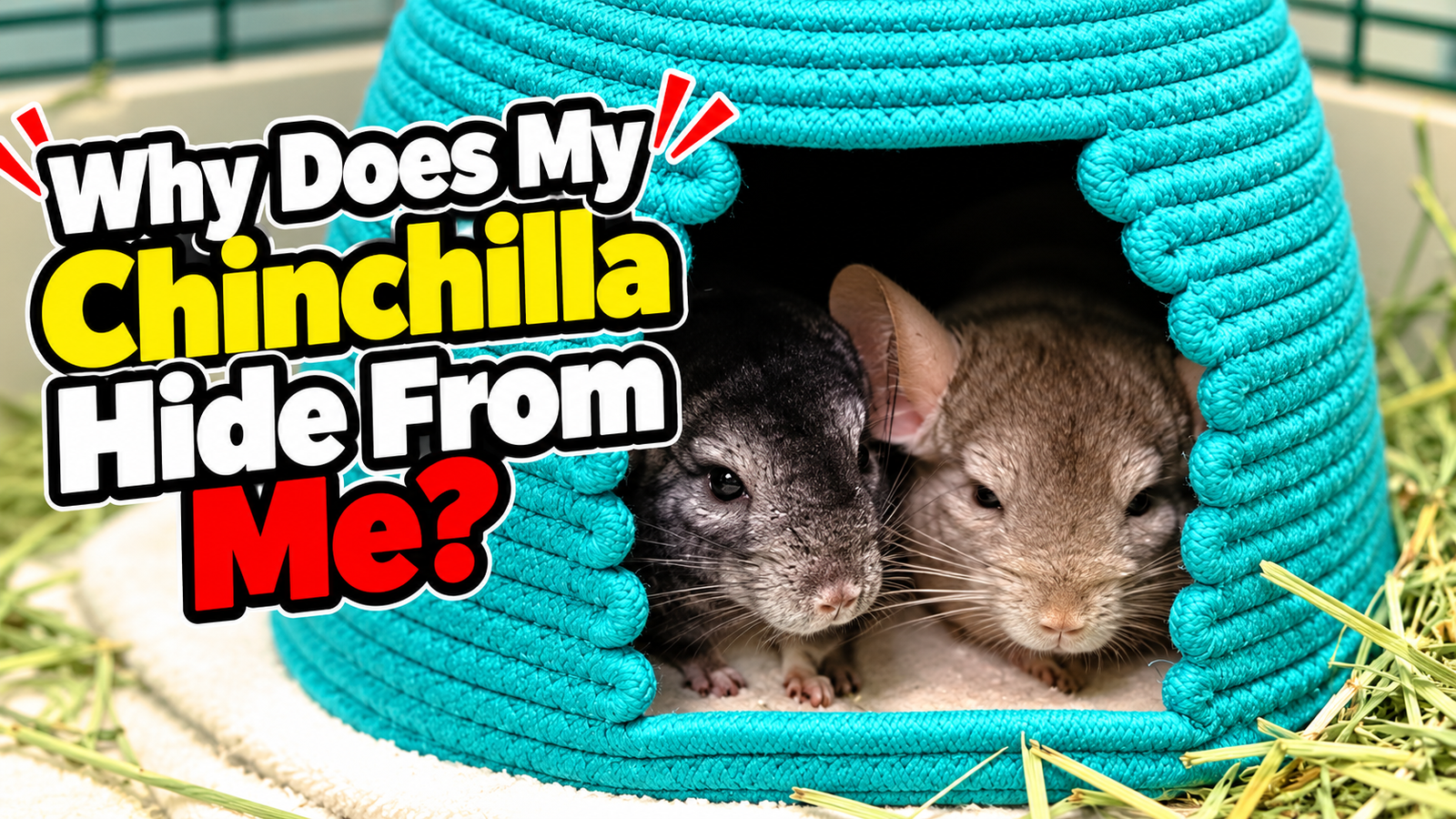
Why Does My Chinchilla Hide From Me?
Chinchillas are prey animals, so “hiding” usually means they feel unsafe or overheated, or are in pain or ill and trying to conserve energy. Start with an easy win: spend a full 3 to 5 minutes at floor level near the cage without reaching in, then offer a small treat through the bars. If hiding is new or sudden, check temperature, handling stress, and signs of illness, and plan a vet visit if symptoms persist.
Prey Instinct And Fear Responses
Chinchillas hide for many reasons, but fear is the most common. In the wild, freezing and tucking into a dark hide would help them avoid predators. In a home setting, your movement, your voice, or even the way you open the cage door can create a “predator moment” in their mind.
Age and temperament matter. Younger chinchillas (under about 6 months) can be more skittish while they learn your routine. Adults (1 to 7 years) often settle with consistent, gentle handling. Seniors (over 7 years) may hide more if they feel stiff, have vision changes, or are uncomfortable.
Look for patterns. If hiding happens right when you interact, it points strongly to stress, not “bad behavior.”
Stress Triggers During Handling
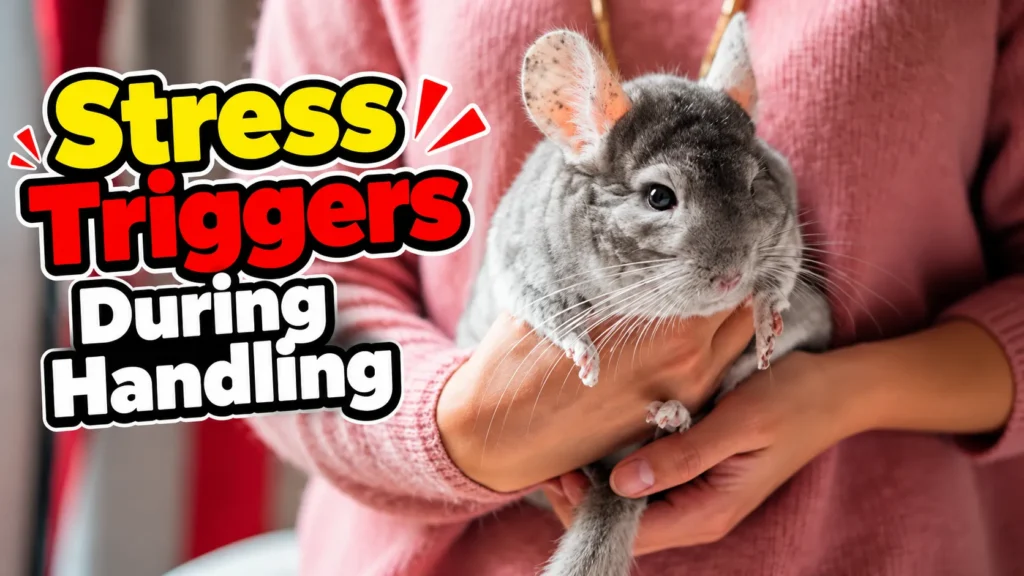
Chinchillas often hide when handling is unpredictable. Common triggers include grabbing from above, lifting too quickly, crowding their space, or moving them without letting them choose an approach. Some chinchillas also dislike being restrained, even gently, because it removes their escape options.
Use low-pressure communication. Move slowly, keep your body sideways, and let them see your hands. If you must open the door, talk softly and pause before any hand enters the cage.
For chinchillas, it helps to think in age bands. For chinchillas under 6 months, aim for extremely short sessions and avoid frequent handling attempts. For adults, choose one consistent routine (same time of day, same voice, same approach path). For seniors over 7 years, plan for slower movement, extra support for footing, and fewer transfers.
Your goal is to make your presence predictably safe.
Temperature, Air Quality, And Heat
Environmental discomfort can make chinchillas hide. Many people notice hiding during warmer months, after the cage is placed near a window with sun, or when airflow is poor. Chinchillas are sensitive to heat and should be kept in a cool, stable environment with good ventilation.
Even without exact numbers, you can act like a clinician here: look for “comfort mismatches.” If your home feels warm to you, your chinchilla likely feels it more intensely. If you see heavy panting, very fast breathing, or drooling, that is urgent and needs a vet evaluation.
Air quality also matters. Strong household odors, aerosol sprays, smoke, candles, essential oil diffusers, and dirty bedding can worsen respiratory discomfort, leading to more retreat behavior.
If hiding comes with sneezing, watery eyes, reduced appetite, or labored breathing, treat those as warning signs.
Pain, Illness, And When It Could Be Medical

Sometimes hiding is a symptom. Chinchillas can hide illness because showing weakness increases risk. A sudden shift from curious to withdrawn, combined with changes in eating, droppings, posture, or breathing, is a strong reason to contact a veterinarian.
For chinchillas under 6 months, illness can progress faster. For adults, look for gradual decline in activity or grooming. For seniors, pay special attention to weight loss, reduced mobility, dental issues, and any breathing effort.
Consider a quick home check while keeping stress low. Watch from a distance, then inspect gently only if your chinchilla is calm enough. Never force an exam.
Territory, Smell, And Cage Setup
Chinchillas are sensitive to territory and scent. A rearranged cage, a freshly cleaned hide with a strong odor, or new bedding can make them feel “out of place,” which often looks like hiding. Many also prefer specific spots, so moving their hide may remove their sense of safety.
Smell is powerful. If you used scented cleaners, disinfectants, or heavily fragranced products, residues can bother them. Aim for pet-safe, unscented cleaning and allow items to fully air out before returning them to the cage.
Setup matters for comfort and escape routes. At least one hide is essential. Clutter can help them feel secure, but overcrowding can block their movement. Platforms should be stable, with easy access. Avoid slippery surfaces that can cause fear after a stumble.
If hiding began right after a cage change, revert to the previous layout and observe for improvement over a few days.
Building Trust With Positive Exposure
You can often reduce hiding by making interactions calmer and more predictable. The key is to reward voluntary choice, not force contact. Use short, frequent sessions and treat calmly.
Plan for age differences. For chinchillas under 6 months, keep sessions under 2 to 3 minutes and end while they still seem curious. For adults, you can increase session time slowly, aiming for steady trust rather than quick results. For seniors over 7 years, progress more slowly and prioritize comfort, footing, and gentle handling.
If your chinchilla shows stress signs like crouching, wide-eyed staring, or rapid retreat, pause and give more distance. Consistency beats intensity.
Common Owner Mistakes That Backfire
Even loving owners can accidentally reinforce hiding. The most frequent mistake is repeatedly reaching in to “check” on the chinchilla or trying to pick them up when they are clearly backing away. This teaches them that your approach means restraint.
Another common issue is inconsistent timing. If you interact at unpredictable hours, the chinchilla may never learn when it is safe. Also, chasing them around the cage can turn a cautious animal into a frightened one.
Household factors can add stress. Loud cleaners, moving the cage during the day, or placing the enclosure where people pass constantly can raise anxiety.
If hiding is accompanied by illness signs, treat that as medical first. Behavioral trust-building works best when the basics are healthy and comfortable.
Safety Check And What To Do Next
A good next step is a structured safety check that separates “fear” from “something hurts.” Start with the environment, then observe appetite, breathing, and droppings. Keep your assessment gentle and quick. Spend more time watching from a distance than handling.
Feeding support also matters. If your chinchilla is hiding, confirm access to fresh water and hay. Offer treats that are appropriate for chinchillas and avoid random snacks. Sudden changes in diet can upset digestion and increase withdrawal.
| Situation | What to do | Timeframe |
|---|---|---|
| Hiding after a stress event (noise, move, new person) | Back off, reduce handling, use quiet treats through bars | Monitor 24 to 48 hours |
| Hiding with mild normal appetite and normal breathing | Check room temperature, airflow, cage layout, bedding cleanliness | Monitor daily, adjust environment |
| Hiding with appetite drop or droppings change | Vet call for guidance | Same day or within 24 hours |
| Hiding with labored breathing or extreme lethargy | Urgent veterinary evaluation | Immediately |
When you combine comfort, gentle training, and medical screening, most chinchillas gradually feel safer.
Quick Summary
Hiding in chinchillas often comes from prey-animal fear, especially after sudden movement, unpredictable handling, or changes in the cage and routine. Environmental discomfort, including heat and air quality issues, can also drive retreat. Because chinchillas hide illness, watch appetite, droppings, breathing, and posture. Use positive, low-pressure trust building, with treats through the bars and short sessions at floor level.
FAQ
Could My Chinchilla Be Hiding Due To Heat?
Heat and poor airflow can make chinchillas withdraw. Keep the enclosure away from direct sun and heat sources, and avoid scented or smoky air. Heavy breathing or drooling are urgent warning signs.
How Long Should Hiding Last During Trust Building?
Short-term retreat can improve within a few days when interactions become predictable and low-stress. For chinchillas under 6 months, progress is usually slower.
When Is Hiding A Vet Concern?
Hiding is more concerning when it comes with appetite reduction, abnormal droppings, labored breathing, or marked lethargy. Chinchillas can decline quickly.