Why Does My Chinchilla Stand On Its Hind Legs?
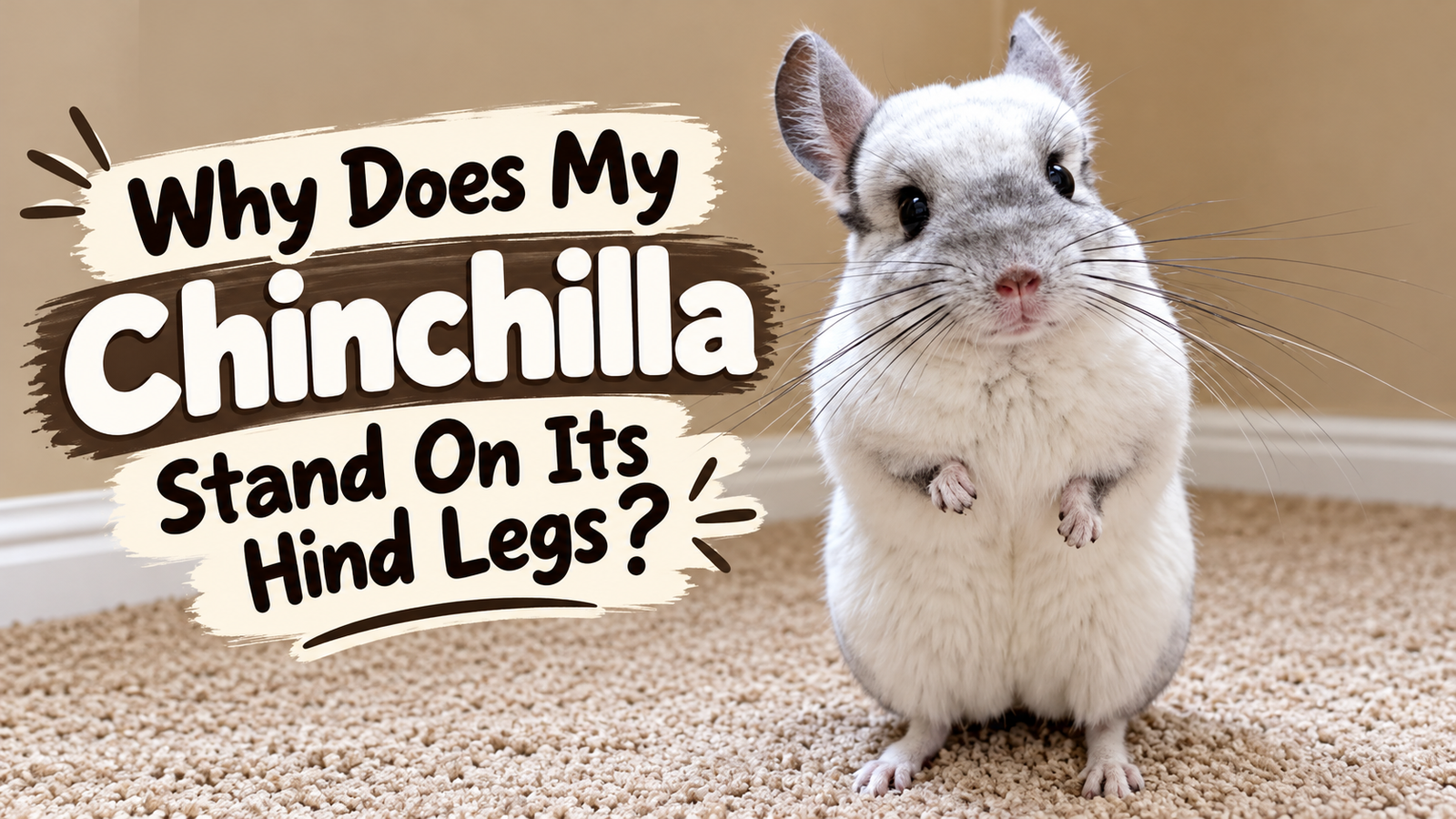
Chinchillas may stand on their hind legs for a few different reasons, and one of them is simple curiosity. A quick, practical check is to observe what happens right after the “upright” moment: does your chin relax, eat, or move normally, or does it freeze, limp, or show breathing strain? The answer helps you decide whether this is normal behavior (brief and calm) or a potential pain, injury, or illness sign that needs prompt veterinary guidance.
Common Reasons For Upright Posture
Standing on the hind legs is often described as “begging,” “listening,” or “looking around,” and with chinchillas it can be a normal way to inspect their surroundings. Many chinchillas do this when they hear something interesting, when you approach with attention, or when they want to reach a slightly higher perch or treat. In these cases, the chin usually stays balanced, the pose is brief, and there is no ongoing struggle to move.
Another common explanation is that your chinchilla is checking for safety. Chinchillas are prey animals, so they frequently scan from a higher viewpoint. They may also stand up to better smell the air near you, especially if they expect food or want to investigate a new object. These behaviors are more likely when your pet is otherwise alert, responsive, and able to hop and groom normally.
Curiosity, Begging, And Attention Signals
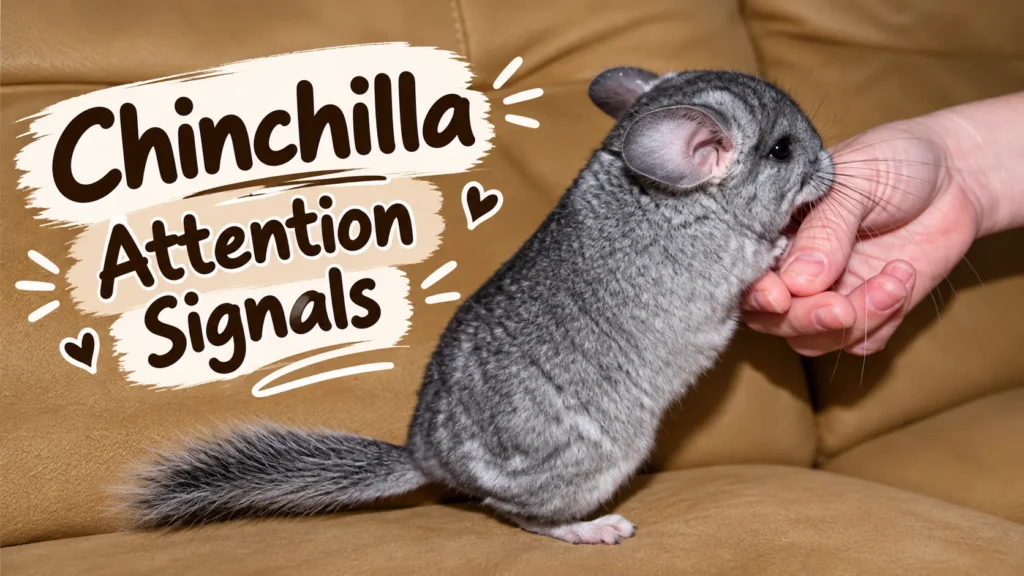
Chinchillas are intelligent, social, and highly food-motivated. Upright posture can happen right before they expect a reward, such as during playtime or when you open the treat cupboard. Some chinchillas learn that standing up gets them your attention, and the behavior may increase if it reliably leads to interaction.
It can also be a “scan” behavior. If your chinchilla stands and looks in one direction, then resumes hopping around, the behavior is likely related to environmental awareness rather than discomfort. Watch for smooth movement, normal grooming, and typical appetite and water intake.
To support positive outcomes, respond consistently to your chinchilla’s calm cues. Offer attention or a small enrichment reward after a brief upright moment, then redirect to a safe foraging activity. This helps your pet learn that polite, calm standing leads to good things without encouraging prolonged standing.
Pain, Stiffness, And Injury Concerns
Sometimes upright posture reflects discomfort. If your chinchilla stands on its hind legs and then appears reluctant to move, tenses its body, or keeps weight shifted to one side, pain may be involved. Injuries can occur from falls, jumps between levels, rough handling, or wheel and cage setup that causes slipping. In those situations, posture may change because your chin is trying to reduce pressure on an affected limb or position.
Be especially cautious if the behavior is new, happens repeatedly, or lasts longer than you have seen before. Chinchillas are small and can hide pain well, so body language matters: flattened ears, holding still in a low-energy crouch, decreased activity, or avoidance of normal hopping should raise your concern. Even without obvious swelling, a chinchilla can be painful.
Schedule a vet visit soon if you suspect pain, especially if it is worsening over hours or continues beyond a day. Prompt assessment helps protect mobility.
Neurologic Or Vestibular Signs
When upright posture comes with balance issues, the concern shifts. Chinchillas may appear “up on their hind legs” while trying to regain coordination, or they may freeze in odd positions during dizziness. Neurologic and vestibular problems can cause stumbling, head tilt, abnormal eye movements, or unsteady walking. Some pets may attempt to stand taller because that feels more stable for a moment.
Look for patterns. Does your chinchilla wobble, fall to one side, or show difficulty turning in the enclosure? Do you notice abnormal head angle or rapid, repeated eye movements? Does it struggle to right itself after a stumble? These observations help a veterinarian determine whether imaging, lab work, or medication might be needed.
Because neurologic causes can progress, treat any combination of upright posture plus balance problems as urgent. If your chinchilla is having trouble walking, has repeated falls, or seems disoriented, contact an exotics-savvy veterinarian right away for triage instructions.
From my clinical experience, unsteady gait, head tilt, or repeated falls paired with unusual upright posture is a strong reason for same-day or next-day veterinary assessment.
Respiratory Stress And Breathing Clues
Standing taller can also appear during respiratory discomfort. When breathing feels harder, some animals adjust posture to open airways or reduce the effort needed to breathe. Chinchillas can show subtle respiratory signs, so it is important to pair posture with breathing observation.
Watch your chin’s chest and breathing rhythm. Is there increased effort, open-mouth breathing, wheezing, or a visible “heave” of the sides? Any noisy breathing, frequent coughing, or discharge from the nose or eyes increases concern. Heat and dust exposure can worsen respiratory issues, including issues related to poor air quality or unsuitable bedding.
If upright posture is paired with breathing changes, do not wait it out. Respiratory problems can worsen quickly in small pets. Offer a quiet, low-stress environment and keep the cage away from drafts and smoke. Avoid handling that increases stress. Contact a veterinarian promptly for guidance.
How Age And Health Change What You See
Age matters because mobility, balance, and illness risk change over time. For kits under 6 months, upright curiosity may be common as they explore and learn cage landmarks. However, if a very young chinchilla is unstable, refuses to move, or seems painful, it deserves prompt attention because injuries can happen during play or jumps.
For adult chinchillas (about 1 to 7 years), upright posture is more likely behavioral when it is brief and followed by normal hopping, grooming, and eating. Adults can still develop problems, but age alone does not explain it. New changes, especially repeated episodes or paired symptoms, are the key.
For seniors over 7 years, arthritis and stiffness are more common, and neurologic conditions become more likely too. Some older chinchillas may stand differently to get comfortable, or they may pause before moving. Still, “older age” never means “ignore symptoms.” If posture changes are frequent or accompanied by reduced movement, decreased appetite, or balance issues, contact a veterinarian.
Safe Daily Checks And Home Support
You can gather useful information at home without trying risky interventions. Start with a calm observation session. Note how often the posture occurs, how long it lasts, whether it is linked to excitement or hunger, and whether your chinchilla has any stiffness or imbalance after. Check for obvious hazards in the enclosure, like slippery surfaces, unstable platforms, or crowded accessories that encourage risky jumps.
Perform gentle, non-stressful checks. Observe movement through the enclosure, watch how your chin uses ramps and platforms, and look for changes in grooming or droppings. Do not force a chinchilla to “walk it off” if it seems uncomfortable. Keep handling minimal while you monitor.
If the behavior persists for more than 48 hours, or if it is getting worse, schedule a vet check. For sudden onset with breathing trouble or balance problems, seek urgent advice sooner. A quick triage appointment can prevent delays.
Training And Enrichment To Reduce Unwanted Patterns
When upright posture is driven by excitement or food anticipation, gentle behavior shaping can help. The goal is to teach your chinchilla to engage in safer, more natural activities rather than standing for long periods. Positive-only training works well, because chinchillas learn quickly when rewards are predictable.
Use short sessions, low stress, and tiny rewards. Pair upright posture with a reward only if your chin is calm and balanced. If your chin starts to stand and then becomes tense or shows imbalance, stop the session and reassess environmental safety.
For kits under 6 months, enrichment should focus on safe exploration, with low ramps and stable flooring. For adults, maintain variety in foraging. For seniors over 7 years, keep platforms reachable and avoid heights that increase fall risk.
Quick Summary
Chinchillas often stand on their hind legs for curiosity, scanning, or attention during food anticipation. Pain, neurologic imbalance, or respiratory stress require more concern when other symptoms are present. Check enclosure safety and seek veterinary advice for distress, worsening symptoms, or persistent changes.
FAQ
Is Hind-leg Standing Always A Sign Of Pain?
No. Many chinchillas do this when they are curious, listening, or expecting a treat, and the pose is usually brief. Pain is more likely if it is new, repeated, lasts a long time, or comes with limping, reluctance to move, hunched posture, or decreased appetite.
How Can I Tell Behavior From A Health Problem?
Look for patterns. Behavioral upright standing is typically calm, short, and followed by normal hopping and grooming. Health concerns are more likely when upright posture comes with balance problems, breathing changes, nasal discharge, weakness, or a decline in appetite or droppings.
When Should I Contact A Vet Right Away?
Contact an exotics-savvy veterinarian urgently if your chinchilla has trouble breathing, open-mouth breathing, repeated falls, clear neurologic signs (like head tilt or wobbling), or sudden worsening over hours. If it persists for more than 48 hours, arrange a prompt check even if symptoms seem mild.