Why Does My Chinchilla Sleep In Strange Positions?
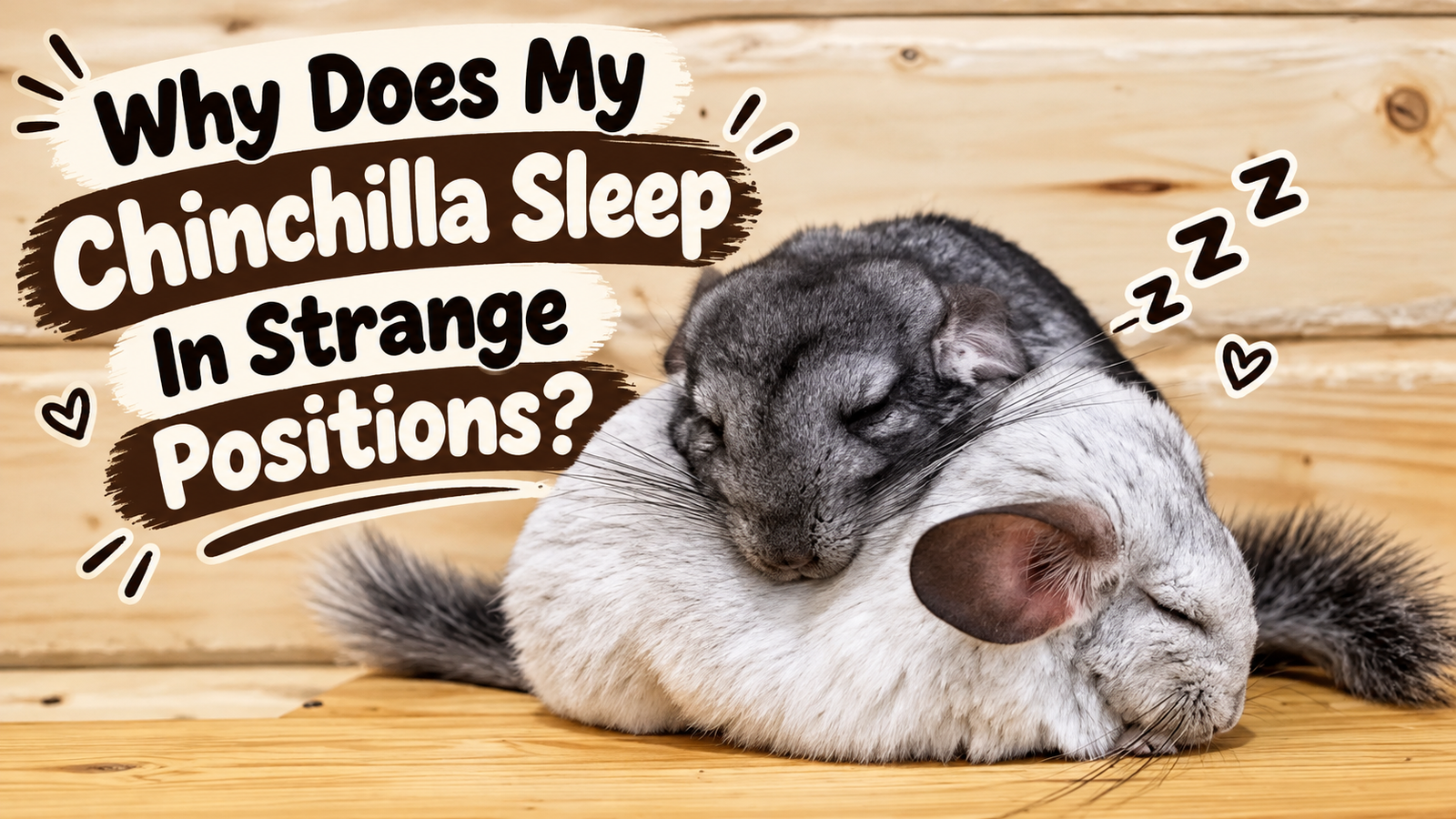
Chinchillas often sleep in odd, compact poses, including curled up, tucked sideways, or with legs folded close to the body. One concrete thing to do today is to watch breathing and comfort from a distance for a few minutes, then compare the pose to your chinchilla’s usual routine. Most strange sleeping positions are normal relaxation. Persistent lethargy, labored breathing, or repeated refusal to eat are reasons to call your exotics veterinarian promptly.
Normal Sleep Postures And Comfort
Strange sleep positions are commonly about comfort, warmth, and saving energy. Many chinchillas curl tightly, flatten their body, or tuck their limbs under them while they drift off. They are small prey animals, so a “sleeping with guard” look can be normal, even during deep rest. Some also sprawl with legs slightly out, especially if they feel safe in their environment.
The key is whether your chinchilla still looks comfortable and behaves like themselves when they wake up. Stretching, grooming, and returning to normal routines can help distinguish a cozy choice from a concerning change.
Temperature, Ventilation, And Bedding
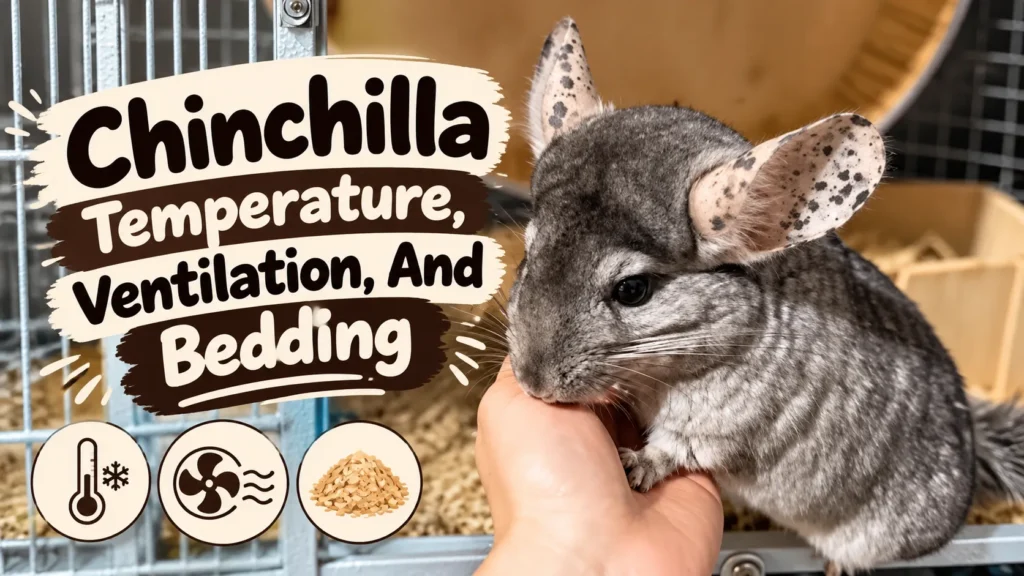
Chinchillas can be sensitive to heat and prefer cooler conditions. A chinchilla might choose unusual positions to regulate body temperature, for example by lowering contact with surfaces or shifting where air moves through the habitat. Bedding and nesting areas also influence how they sleep. If a hide or favorite platform feels slightly cooler, warmer, or more secure than other spots, your chinchilla may sleep there repeatedly in a particular posture.
Check the environment with a practical approach: place your hand near the habitat (do not overheat the area), confirm there is good airflow away from direct drafts, and ensure sleeping areas are not damp or soiled. Avoid sudden temperature swings. Also watch how quickly they move to their favorite resting spot after handling or cleaning.
Stress, Safety, And Habit Changes
Sleep posture can shift when a chinchilla feels less secure. Even if the position looks “weird,” it may be your pet’s way of staying alert while resting. New routines, changes in household noise, a different sleeping shelf, or a new cage mate can all affect comfort. Some chinchillas sleep near the front of a habitat or in slightly exposed areas after changes, while others hide more and choose tight curled positions.
Look for patterns across days, not one-off moments. Did the odd sleeping position start after a move, a new person joined the home, or you altered their habitat? A chinchilla that is stressed might also show reduced dust bathing, less interest in treats, or more freezing behavior. Stress can also indirectly affect health by changing appetite.
Pain, Soreness, And Age-related Discomfort
Some chinchillas sleep in positions that look awkward because they are avoiding pressure on a sore area. This can happen with musculoskeletal discomfort, dental issues, or general illness. Chinchillas can be very good at hiding signs, so pay attention to subtle changes like reluctance to jump, altered grooming, or a quieter demeanor.
For kits under 6 months, watch closely for normal growth-related clumsiness, but do not ignore refusal to eat. For adults (1-7 years), persistent changes in posture across more than a day or two deserve a veterinary check. For seniors over 7 years, arthritis and general slowing can show up gradually, and extra rest in odd positions can be an early sign.
Breathing, Gut Motility, And Tension Signs
Sleep that looks unusual can sometimes overlap with discomfort in the chest or abdomen. While chinchillas can have quiet, relaxed breathing during sleep, labored breathing is different. Signs can include open-mouth breathing, repeated straining, or a visibly tight, hunched posture that does not relax when the chinchilla settles.
Digestive discomfort is another reason chinchillas may rest oddly. Chinchillas rely on normal gut motility, so changes in appetite, reduced or abnormal droppings, and “hunkering down” can be clues. Because these animals can worsen quickly, respiratory and digestive red flags warrant prompt veterinary attention.
Quick Check: When It Is Normal Vs Concerning
A practical way to decide what to do is to run a short “comfort check” over 5 to 10 minutes. Observe breathing, posture relaxation when awake, interest in food, and whether your chinchilla returns to routine behaviors like dust bathing and hay chewing.
Use this severity guide as a decision helper. If you land in the “needs vet” column, do not wait for the next day to see what happens. Call your exotics veterinarian for triage instructions.
| What you see | More likely normal | Needs vet advice |
|---|---|---|
| Sleep position | Curled, tucked sideways, or legs folded during rest | Same posture with obvious discomfort, cannot settle, or repeated episodes with decline |
| Breathing | Quiet, relaxed breathing; no open-mouth breathing | Open-mouth breathing, persistent noisy breathing, or significant effort |
| Eating and droppings | Maintains hay intake; droppings are consistent | Reduced eating, fewer droppings, or abnormal droppings |
| Activity when awake | Grooms, explores, returns to dust bath | Lethargy, reluctance to move, or flinching when handled |
Habitat Tweaks That Support Better Rest
Small habitat changes can reduce stress and improve comfort, which often helps chinchillas sleep more naturally. Start with placement of resting areas: provide at least one cozy hide and one open resting platform so your chinchilla can choose based on temperature and security. Ensure ramps or jumps are manageable for your pet’s age and mobility.
For kits under 6 months, keep steps low and avoid encouraging high jumps. For adults (1-7 years), confirm there is no wobbling platform and no sharp edges that might cause awkward pressure when sleeping. For seniors over 7 years, reduce fall risk by using lower platforms and making sure the favorite sleep spot is easy to reach.
From my clinical experience, most “odd sleeping” improves when the habitat feels safe, temperature is steady, and the chinchilla still eats normally.
Feeding Routines And Sleep Patterns
Chinchillas are nibblers, and sleep can change with feeding timing and diet consistency. When a chinchilla has consistent access to high-quality hay and a reliable routine, they often settle better and sleep more comfortably. Sudden diet changes can disrupt appetite and gut motility, which may lead to resting in uncomfortable-looking positions.
Feeding amounts vary by body weight and the specific food type your veterinarian recommends, so use the bag’s guidance or your exotics plan. As a practical starting point for many adult chinchillas, feed hay as the main diet free-choice, and offer measured pellets at a controlled amount two times daily. A common rough guideline many owners use is about 1 to 2 tablespoons of pellets per 5 lbs of body weight per day, split into twice-daily portions, but confirm with your vet because body condition matters.
| Age | Amount | Frequency |
|---|---|---|
| Kits (0-6 months) | Pellets only in small, measured amounts per your vet plan | 2 times daily |
| Adults (1-7 years) | Around 1 to 2 tablespoons of pellets a day, split | 2 times daily |
| Seniors (7+ years) | Pellet amounts based on weight and body condition | 2 times daily |
For treats, keep them minimal. Any sudden refusal to eat plus unusual resting is a vet call. During emergencies, treat it seriously.
Quick Summary
Odd sleeping positions are often normal for chinchillas. Temperature, bedding quality, hide placement, stress, and recent habitat changes can influence where they choose to rest. Persistent changes need prompt exotics veterinary guidance.
FAQ
Is It Normal For Chinchillas To Sleep Curled Up?
Yes, curled or tightly tucked sleep is commonly a comfort and safety posture for chinchillas.
What Sleeping Positions Suggest Stress?
Sleep positions can look “off” after household changes, noise, or habitat adjustments. Signs that point more toward stress include reduced dust bathing, staying hidden more than usual, and less interaction. If the behavior does not settle within a few days, contact an exotics vet for guidance.
When Should I Call A Vet About Unusual Sleep?
Call your exotics veterinarian promptly if your chinchilla has labored breathing, refuses to eat, or shows a worsening change alongside the odd sleeping posture. Schedule a vet check if the change persists beyond 48 hours, sooner if your pet seems worse each hour.