Why Do Chinchillas Eat Their Poop?
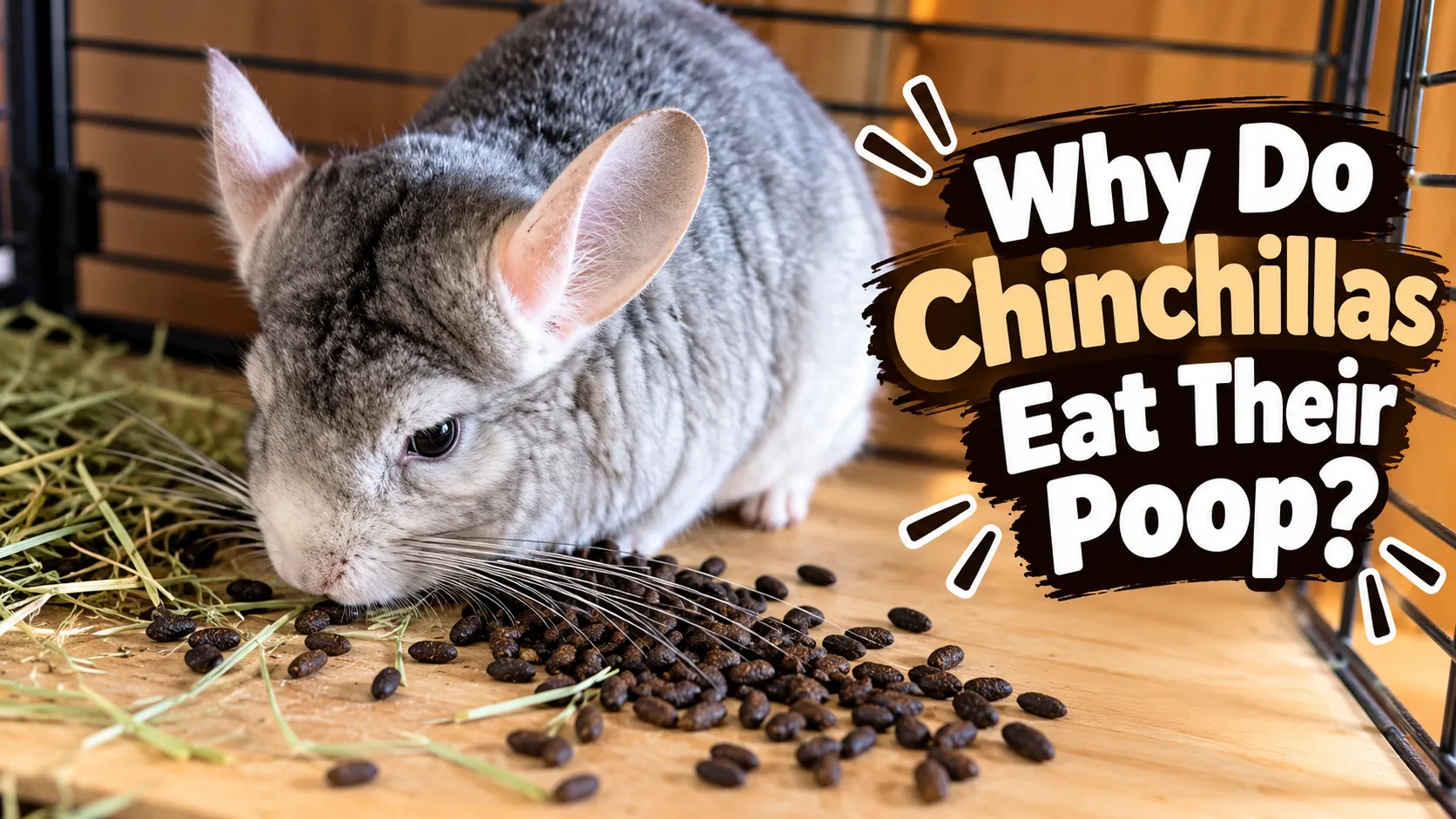
Chinchillas produce two types of droppings, and one of them is meant to be eaten. You may notice soft, nutrient-rich pellets (often called cecotropes) getting consumed right from the cage floor. This behavior can look gross, but in healthy chinchillas it helps them get maximum nutrition from their gut. The key is knowing what is normal, what changes, and when picky eating or stool changes can signal illness.
What “Poop Eating” Usually Means
Most “poop eating” in chinchillas is actually a normal part of their digestion. Chinchillas pass two forms of feces: dry, firm pellets, and a softer, moist type produced from the cecum. The softer droppings are typically eaten soon after they’re made, then digested again in the gut. This process helps them absorb nutrients they would otherwise miss.
Owners often startle the first time they see cecotropes being eaten, especially because they look different from the familiar dry pellets. In many cases, it is simply good chinchilla behavior rather than a problem. Your job is to observe patterns, stool texture, appetite, and comfort.
The Gut Mechanics Behind Cecotropes
Chinchillas rely on hindgut fermentation, meaning fermentation processes happen in the cecum (a pouch in the digestive tract). As food moves through, gut microbes break down fibers, and the chinchilla absorbs nutrients released during that process. The softer fecal material produced during this process is richer and is usually re-ingested.
Re-eating cecotropes is part of how chinchillas get the most benefit from their diet, which is centered on high-fiber hay. If you change feeding too drastically, the gut ecosystem can shift, and stool patterns may change. That is why diet consistency matters.
Diet And Fiber Balance Effects
Diet is one of the biggest drivers of stool appearance and how smoothly digestion runs. Chinchillas should have constant access to appropriate hay and a diet formulated for chinchillas. Too little fiber, sudden changes, or an overemphasis on treats can change stool texture and fermentation outcomes. When stool quality changes, you may see more confusion around what your chinchilla is eating or leaving behind.
It’s also common to see variation based on meal timing. After eating hay or pellets, digestion progresses, and you may see softer droppings later. If your chinchilla skips hay or appears selective, look for underlying stress, dental discomfort, or a habitat issue.
Keep feeding routines steady. Introduce any new foods gradually and watch how stools look and how your chinchilla behaves.
Normal Versus Concerning Stool Signs
The dry pellets are also common and should look consistent. Concern comes from changes in frequency, consistency, odor, and your chinchilla’s overall behavior.
Use your daily observation to catch early warning signs. If you notice watery diarrhea, very small hard droppings combined with straining, blood, marked decrease in appetite, lethargy, or a hunched posture, treat that as urgent. Chinchillas can decline quickly when digestion slows or when they’re in pain.
Because the exact stool “look” varies by individual, focus on trends and the full picture. One day of slightly different texture can happen, but repeated or worsening changes deserve a vet check.
| What you might see | Often normal | Needs a vet check |
|---|---|---|
| Soft droppings get eaten | Yes, especially if behavior and appetite are normal | No immediate action if otherwise thriving |
| Dry pellets change slightly | Minor variation day to day | Persistent very small, hard, or no pellets |
| Stool consistency | Mostly formed, occasional softer pieces that are consumed | Watery diarrhea or very wet mess with staining |
| Energy and appetite | Active, curious, steady eating | Low appetite, hiding, or lethargy |
| Posture and discomfort | Normal grooming and relaxed resting | Hunched posture, straining, or visible pain |
| Blood or strong abnormal smell | Rare | Any blood, worsening odor, or vomiting-like signs |
Stress, Environment, And Routine Changes
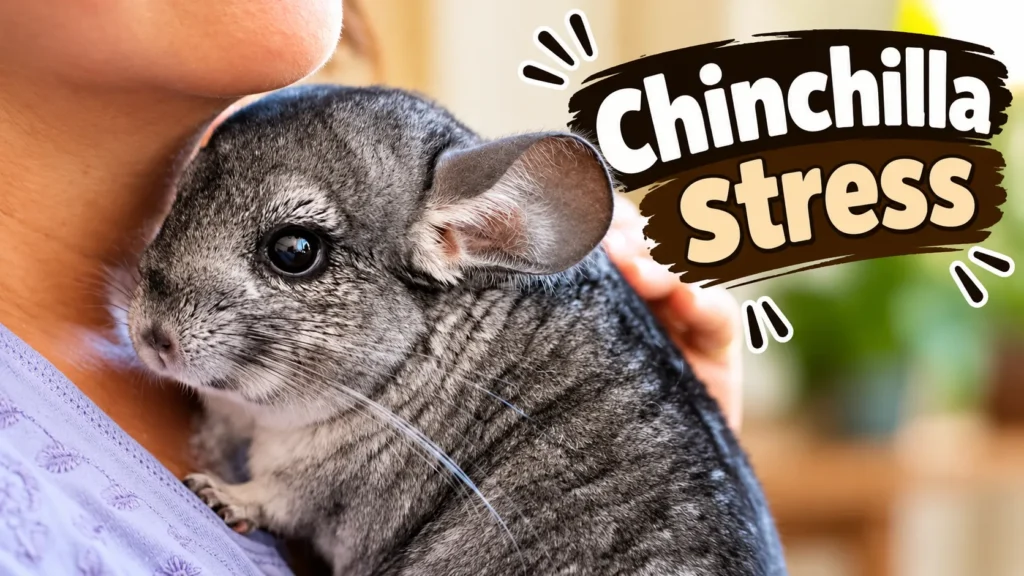
Chinchillas are sensitive to environmental stress, and stress can affect eating, gut motility, and stool output. Even when poop eating itself is normal, stress can alter what your chinchilla produces and whether it maintains its usual digestion rhythm.
Common stressors include temperature swings, noisy areas, frequent handling, changes in cage setup, or sudden schedule changes. Poor ventilation and overheating are especially concerning in small mammals.
Keep the habitat stable. Provide hiding places, maintain appropriate room conditions, and avoid sudden changes in lighting or routine. If you move cages or introduce new pets, do it carefully and gradually.
Age-specific Considerations For Chinchillas
Age changes how you should interpret droppings and eating behavior. For young chinchillas, digestion is still maturing, and you may see different stool textures as they settle into solid feeding routines. For seniors, dental issues or reduced appetite can change fiber intake, which can affect stool quality and the re-ingestion pattern.
Kits And Juniors (Under 6 Months)
Expect more variability as the digestive system and diet transition. Make sure hay access is truly continuous and that pellets are chinchilla-appropriate. Monitor appetite and growth. If stool becomes consistently wet or your young chinchilla is eating less, a vet visit is important, since dehydration can become a risk.
Adults (6 Months To 7 Years)
Normal poop eating patterns are most consistent in healthy adults. Aim for stable diet, stable habitat, and routine. If your adult starts leaving more soft droppings uneaten or develops diarrhea, take it seriously and arrange veterinary guidance.
Seniors (Over 7 Years)
In older chinchillas, reduced hay consumption due to dental discomfort can lead to digestive problems. Watch for weight loss, reduced grooming, or smaller pellet output. Prompt evaluation helps prevent worsening GI issues.
Training, Cleaning, And Handling Safely
Focus on management and comfort. Clean the cage regularly, remove soiled bedding promptly, and keep food areas fresh so your chinchilla can eat, rest, and move comfortably.
Safe handling reduces stress and supports normal digestion. If you need to check droppings, do it during a calm routine and minimize interruptions. For hygiene, use safe, dry cleaning methods appropriate for small mammal cages, and avoid strong chemical residues that can irritate the respiratory system.
From my clinical experience, most chinchillas keep eating cecotropes when their diet and environment are stable. The “fix” is usually improving hay access, reducing stress, and watching for a pattern of abnormal stool or appetite changes.
When To Call A Vet (And What To Expect)
Veterinary help is appropriate when abnormal stool or behavior accompanies changes in droppings. Assess appetite, energy, posture, and stool consistency when deciding how quickly to call.
Schedule a vet check if stool changes persist for more than 48 hours, especially if you see persistent wet droppings, reduced eating, straining, or a hunched posture. Seek same-day or urgent guidance sooner if you notice blood, severe diarrhea, obvious pain, or your chinchilla is acting very weak.
During the visit, your vet may discuss diet, stool patterns, and habitat, then perform a physical exam. If there is concern about GI upset, dental pain, or dehydration, they may recommend supportive care and monitoring. Exact treatment plans and costs vary by location and severity, so ask your clinic for a written estimate if possible.
Quick Summary
Chinchillas eat their poop because they produce two types of feces, and the softer cecotropes are designed to be re-ingested to improve nutrient absorption. Normal behavior usually comes with steady appetite, consistent dry pellets, and overall alertness. Diet fiber, stress level, and routine changes can alter stool patterns. Contact a vet if stool changes persist beyond 48 hours or if you see wet diarrhea, blood, straining, or reduced eating.
FAQ
Is Cecotrope Eating Always Normal?
Cecotrope eating is often normal in healthy chinchillas, especially when stools otherwise look formed and your pet stays active and interested in hay. Concern rises if soft droppings are not being eaten, if stool becomes watery, or if appetite and energy drop.
What Diet Changes Can Affect Droppings?
Switching hay or pellets abruptly, offering too many treats, or allowing hay intake to drop can change digestion and stool texture. Keep feeding consistent, provide continuous hay, and introduce any new foods gradually while you watch droppings and behavior.
When Should I Worry About Diarrhea?
Watery diarrhea, blood, repeated straining, a hunched posture, or a clear drop in appetite are reasons to contact a veterinarian right away. For milder but persistent changes, schedule a check if it lasts more than 48 hours.