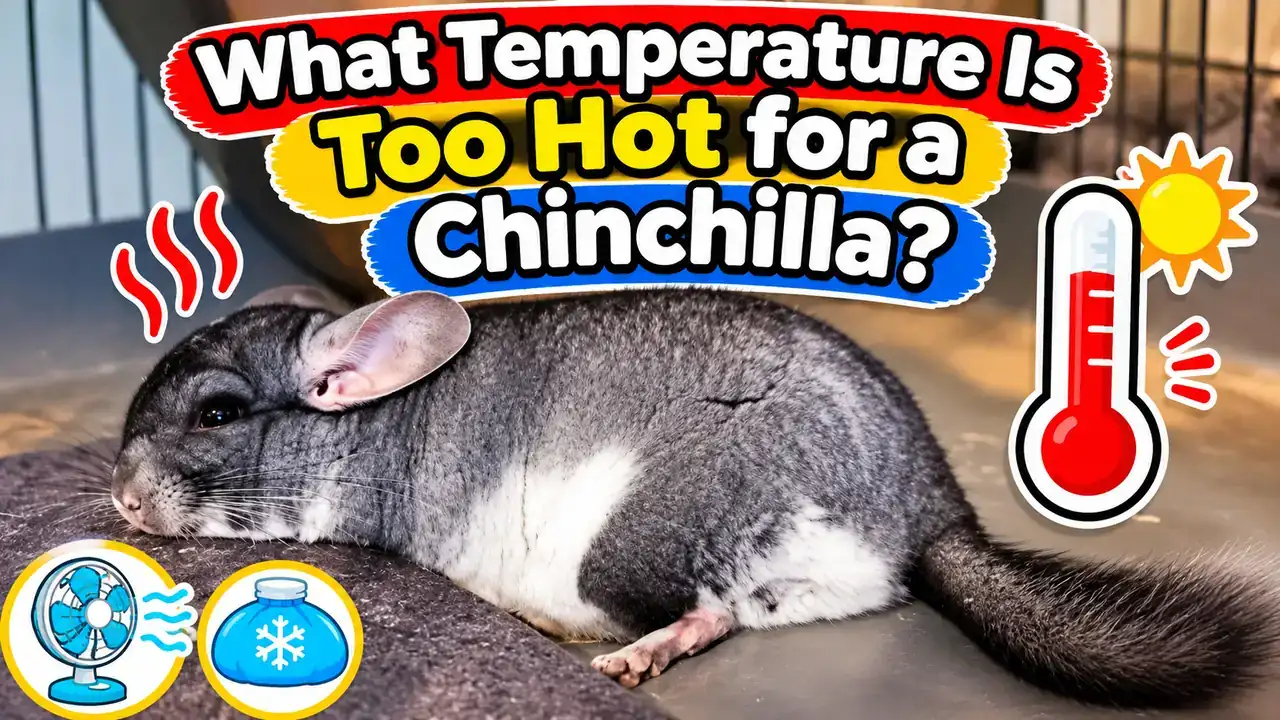
What Temperature Is Too Hot for a Chinchilla? Safe Ranges and Heatstroke Signs
Anything above 80°F (27°C) is dangerous for a chinchilla, and trouble can start sooner when the air is humid. For everyday comfort, keep their room between about 55°F and 70°F (13°C to 21°C), with humidity under roughly 50%.
That range might feel cool to you, but it’s perfect for an animal built for the high Andes. Chinchillas handle cold far better than heat, and heatstroke is one of the most common emergencies in pet chins.
Chinchilla Temperature Zones
| Room Temperature | What It Means | What to Do |
|---|---|---|
| 55°F to 70°F (13°C to 21°C) | Ideal comfort zone | Keep things steady |
| 70°F to 75°F (21°C to 24°C) | Getting warm | Watch humidity and limit active play |
| 75°F to 80°F (24°C to 27°C) | Risky, especially with humidity | Cool the room now |
| Over 80°F (27°C) | Danger zone for heatstroke | Cool urgently and watch for symptoms |
Remember that a thermometer on the other side of the room can be misleading. Measure right beside the cage, since sunlight and electronics can create warm pockets.
The 150 Rule for Heat and Humidity
Humidity makes heat harder to cope with. A widely used rule of thumb, mentioned in the Merck Veterinary Manual, is to add the temperature in Fahrenheit to the relative humidity percentage, then treat any total over 150 as dangerous.
| Temperature | Humidity | Total | Verdict |
|---|---|---|---|
| 68°F | 40% | 108 | Comfortable |
| 74°F | 55% | 129 | Warm, keep an eye on it |
| 80°F | 60% | 140 | Too warm, start cooling |
| 85°F | 65% | 150 | Dangerous |
Think of 150 as an absolute ceiling, not a target. Your goal is to stay well below it, ideally in that cool, dry comfort zone.
Why Chinchillas Overheat So Easily
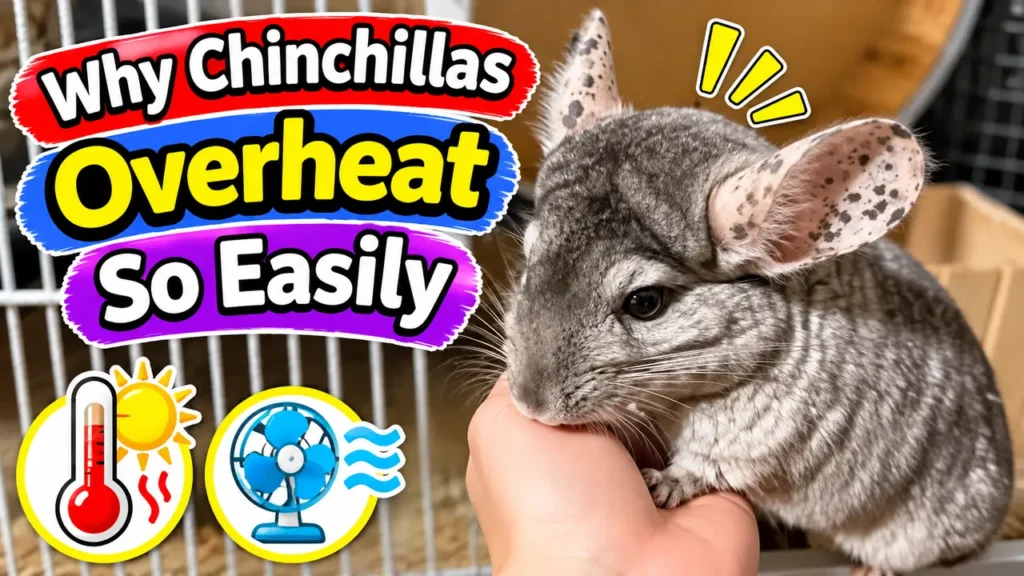
Chinchilla fur is the densest of any land mammal, which traps body heat brilliantly. That’s perfect on a cold mountainside, but in a warm house there’s no way for the heat to escape.
They also can’t sweat, and they don’t pant efficiently the way dogs do. Their large ears help release some heat, but that’s not nearly enough in a hot room.
Early Signs Your Chinchilla Is Too Warm
- Ears turning pink to red and feeling warm
- Lying stretched out flat instead of curled up
- Less activity and less interest in food
- Seeking out cool surfaces like ledges or tiles
- Drinking more than usual
Catching heat stress at this stage makes a huge difference. Cool the room straight away and keep checking your chinchilla closely.
Signs of Heatstroke (Emergency)
- Bright red ears and feet
- Panting or open-mouthed breathing
- Drooling or a wet chin
- Weakness, wobbliness or reluctance to move
- Lying limp on the side
- Seizures or collapse
Heatstroke can damage organs and become fatal quickly. If you see these signs, act immediately and call an exotic vet.
First Aid While You Call the Vet
- Move your chinchilla somewhere cooler. An air-conditioned room or the coolest part of your home is best.
- Offer a cool surface. A ceramic tile or granite slab gives them somewhere to lie and release heat.
- Improve airflow in the room. Run a fan to move air around the room, but don’t blast it directly at your chin.
- Offer fresh water. Don’t force it, but make it easy to reach.
- Cool gradually. Never use ice, ice water or a soaking bath, since cooling too fast can cause dangerous shock and wet fur creates new problems.
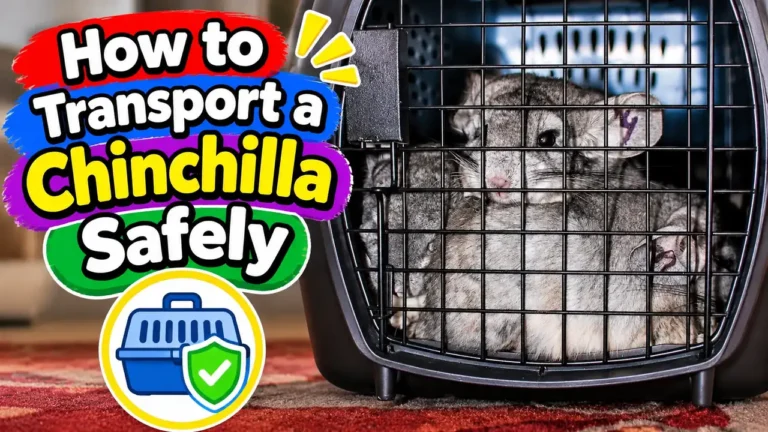
- Get to the vet. Pre-cool your car and travel in a ventilated carrier, even if your chinchilla seems to be recovering.
Vets note that a chinchilla can look better on the surface while internal damage is still developing. That’s why a professional checkup matters after any episode of heatstroke.
How to Keep Your Chinchilla Cool in Summer
- Run air conditioning during warm weather, especially in the chinchilla’s room.
- Place a thermometer and hygrometer next to the cage.
- Keep the cage away from windows, skylights and sunny walls.
- Close blinds or curtains during the hottest part of the day.
- Use a dehumidifier if your area is humid.
- Add a chilled granite or marble slab for lounging.
- Freeze a sealed water bottle, wrap it in a cloth and place it against the outside of the cage.
- Schedule playtime for the coolest hours of the day.
- Skip car trips on hot days (see our safe transport tips) unless they’re essential.
Fans alone aren’t enough. They move air but don’t actually lower the temperature much for an animal that can’t sweat.
[Add your own note: how you keep your chinchilla’s room cool during summer, or the setup you use.]
Plan for Power Cuts and Heatwaves
Air conditioning only helps while it’s running. Before summer, have a backup plan in case of a power outage or a broken unit.
- Know the coolest room in your home, such as a basement
- Keep frozen bottles and cooling slabs ready in the freezer
- Line up a friend or family member with reliable AC who could host your chin
- Save your exotic vet’s and an emergency clinic’s numbers in your phone
- Keep a ventilated carrier ready to go
What About Cold Weather?

Cold is far less of a worry. Chinchillas cope with cool temperatures very well, and a normal home in winter is usually comfortable for them.
The bigger winter risks are drafts and sudden temperature swings. Keep the cage away from drafty doors and windows, and avoid placing it next to heaters or radiators, which can overheat the space.
Quick Answers
Is 75°F too hot for a chinchilla?
It’s on the warm side and can become risky with high humidity or lots of activity. Aim to cool the room back into the 60s Fahrenheit.
Can chinchillas live without air conditioning?
In cool climates where homes stay well below 75°F all year, yes. Anywhere with hot summers, reliable AC is effectively essential.
Do chinchillas like the cold?
They’re well suited to it thanks to their thick coats. That doesn’t mean freezing conditions are fine, but cool rooms suit them much better than warm ones.
The Bottom Line
Keep your chinchilla’s room cool, dry and steady, ideally between 55°F and 70°F, and treat anything over 80°F as an emergency risk. A good thermometer, a summer plan and quick action at the first warning signs can truly save your chinchilla’s life.