How to Transport a Chinchilla Safely: Carriers, Car Trips and Vet Visits
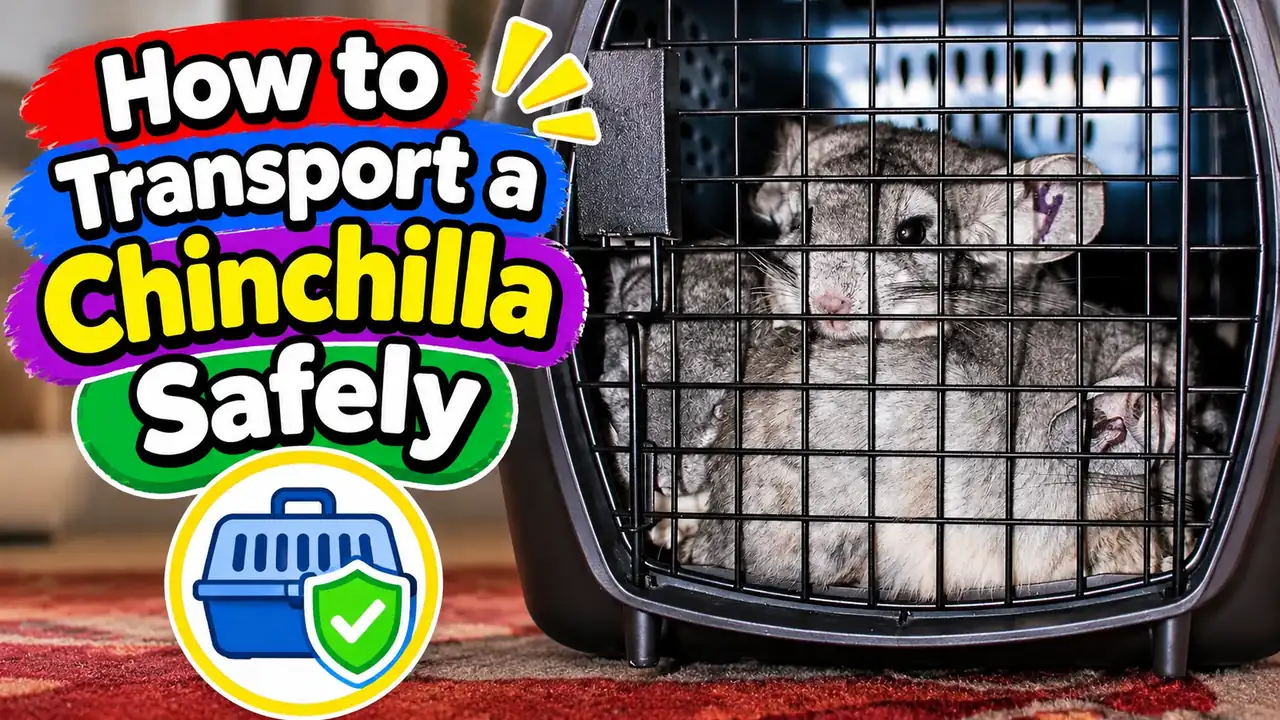
Whether it’s a yearly checkup, an emergency or a move to a new home, every chinchilla needs to travel at some point. The safest way is by car, in a sturdy, chew-proof, well-ventilated carrier, with the temperature kept cool from start to finish.
Heat is the single biggest danger. A car can warm up far faster than most people expect, and chinchillas can overheat at temperatures that feel only mildly warm to us.
Here’s how to plan the trip from the days before you leave to the hours after you get home.
Choosing the Right Carrier
| Carrier Type | Good For | Watch Out For |
|---|---|---|
| Hard plastic small-pet carrier | Vet visits and short trips | Choose one with plenty of ventilation on several sides |
| Small wire travel cage | Longer drives and moves | Needs a solid floor and a cover for shade and security |
| Soft fabric carrier | Not recommended | Easily chewed through, and fabric can be swallowed |
| Cardboard box | Emergencies only, if nothing else exists | Can be chewed open in minutes |
The carrier should be big enough for your chinchilla to turn around and lie down, but not so big that it slides around during braking. A secure door latch is a must, since chinchillas are expert escape artists.
Before the Trip
Get your chinchilla used to the carrier
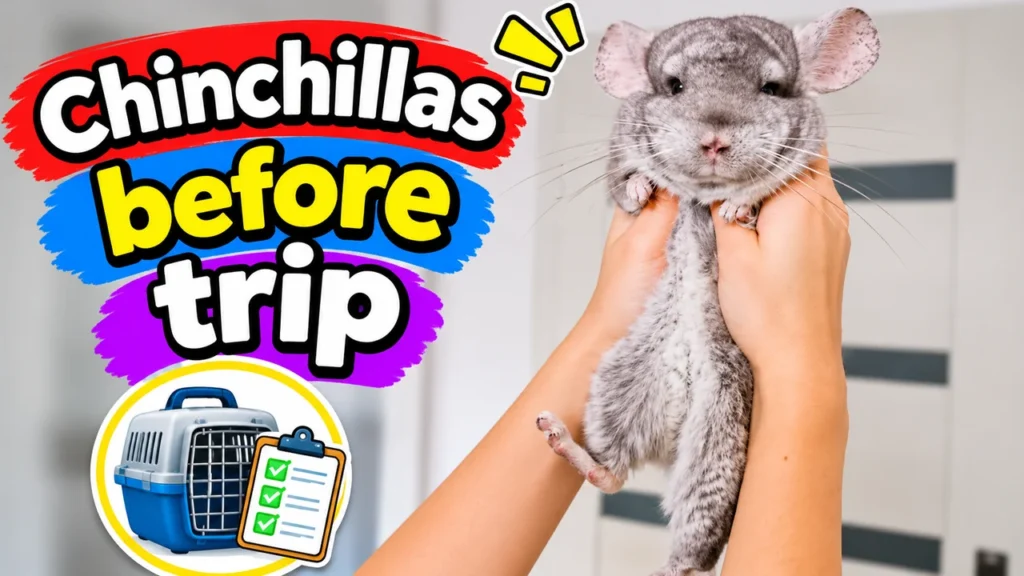
Place the open carrier in the cage or play area a few days or weeks ahead. Toss in a little hay or a treat so it becomes a familiar, safe hideout instead of a scary box. When it is time to move them in, use the gentle scoop from our guide on how to pick up a chinchilla safely.
Plan around the weather
On hot days, travel early in the morning or later in the evening when it’s cooler. If a trip isn’t essential, waiting for milder weather is often the safest choice.
Pre-cool or pre-warm the car
Run the air conditioning for several minutes before your chinchilla gets in. In cold weather, gently warm the car, but never aim heat vents straight at the carrier.
What to Pack
- A layer of familiar bedding or a used fleece square in the carrier
- A handful of fresh hay to snack on and hide in
- A small hideout if there’s room
- A water bottle you can offer during stops
- A light, breathable cloth to shade part of the carrier
- Your chinchilla’s usual pellets for longer trips
- Your vet’s phone number and any medical notes
Skip dust baths during travel. They can make a mess and raise dust in a closed car.
During the Drive
- Place the carrier on the floor behind a seat or secure it with a seatbelt so it can’t slide or tip.
- Keep it out of direct sunlight and away from heater vents.
- Drive smoothly, taking turns and stops gently.
- Keep music low and avoid loud conversations near the carrier.
- Check on your chinchilla regularly, looking for calm breathing and normal posture.
- Never leave your chinchilla alone in a parked car, even for a few minutes.
Water bottles tend to drip in a moving car, which can soak bedding. On short trips, hay is usually enough, while on longer journeys you can offer the bottle whenever you stop.
Signs of Heat Stress on the Road
- Red, warm ears
- Panting or fast, shallow breathing
- Drooling or a wet chin
- Lying stretched out and limp
- Unusual weakness or wobbliness
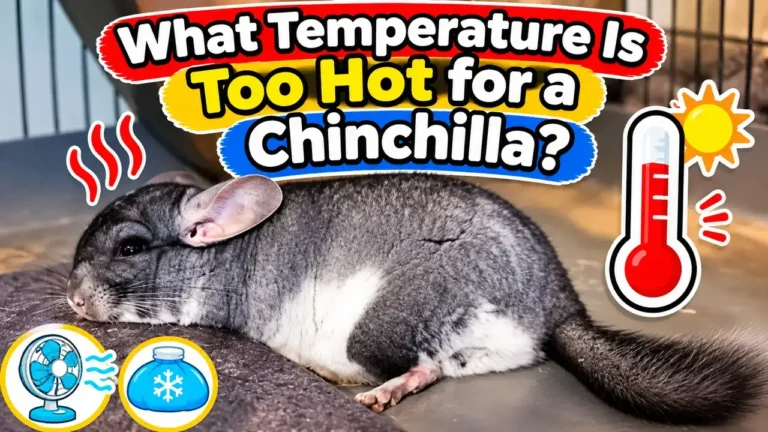
If you notice any of these, cool the car immediately, move the carrier to the coolest spot and call your exotic vet right away. Heatstroke is an emergency, and our guide on what temperature is too hot for a chinchilla explains the warning signs.
Vet Visits Made Easier
For clinic trips, cover part of the carrier with a light cloth in the waiting room so your chinchilla can’t see dogs or cats. Some clinics will let you wait in your car until the exam room is ready, which is worth asking about.
Let your chinchilla stay in the carrier until the vet is ready. Bring notes on weight, appetite, droppings and any changes you’ve seen, since chins often hide symptoms once they’re somewhere new.
Moving House or Long Journeys
A move is one of the most stressful events in a chinchilla’s life. Set up the new cage in a cool, quiet room before your chin arrives so it can settle straight in.
On long drives, plan regular stops to check temperature and offer water. Keep the carrier with you inside the car, never in a trailer or truck bed.
What about flying?
Air travel is risky for chinchillas. If you must fly, ask the airline well ahead of time about in-cabin travel in an approved carrier, and talk to your vet first. Cargo holds are generally not recommended because of temperature swings and stress.
When Not to Travel
If you’re simply going away for a holiday, it’s usually kinder to leave your chinchilla at home with a reliable, experienced pet sitter. Write clear care notes, leave extra hay and supplies, and have the sitter do a practice visit before you leave.
Travel is worth it for vet care, moving or emergencies. A weekend visit to friends usually isn’t.
After You Arrive Home
Put your chinchilla back in its familiar cage and give it some quiet time. Many chins hide for a while after a trip, which is completely normal.
Watch closely for the next 24 hours. Make sure your chinchilla is eating hay, drinking and producing normal droppings, and call your vet if any of those stop.
Your chin may also seem jumpy or freeze when scared by sudden sounds for a little while. Keep the room calm and it should settle back to normal soon.
[Add your own note: how your chinchilla handles car rides, or the carrier setup that works best for you.]
Travel Checklist
- Sturdy, chew-proof, ventilated carrier
- Familiar bedding and fresh hay
- Car cooled or warmed before loading
- Carrier secured and out of direct sun
- Water offered during longer stops
- Never left alone in a parked car
- Quiet recovery time after arriving
Final Word
With the right carrier, a cool car and a calm approach, most chinchilla trips go smoothly. Keep journeys to the ones that truly matter, plan around the heat, and your chin will be back to normal in no time.