How Long Does a Chinchilla Live?
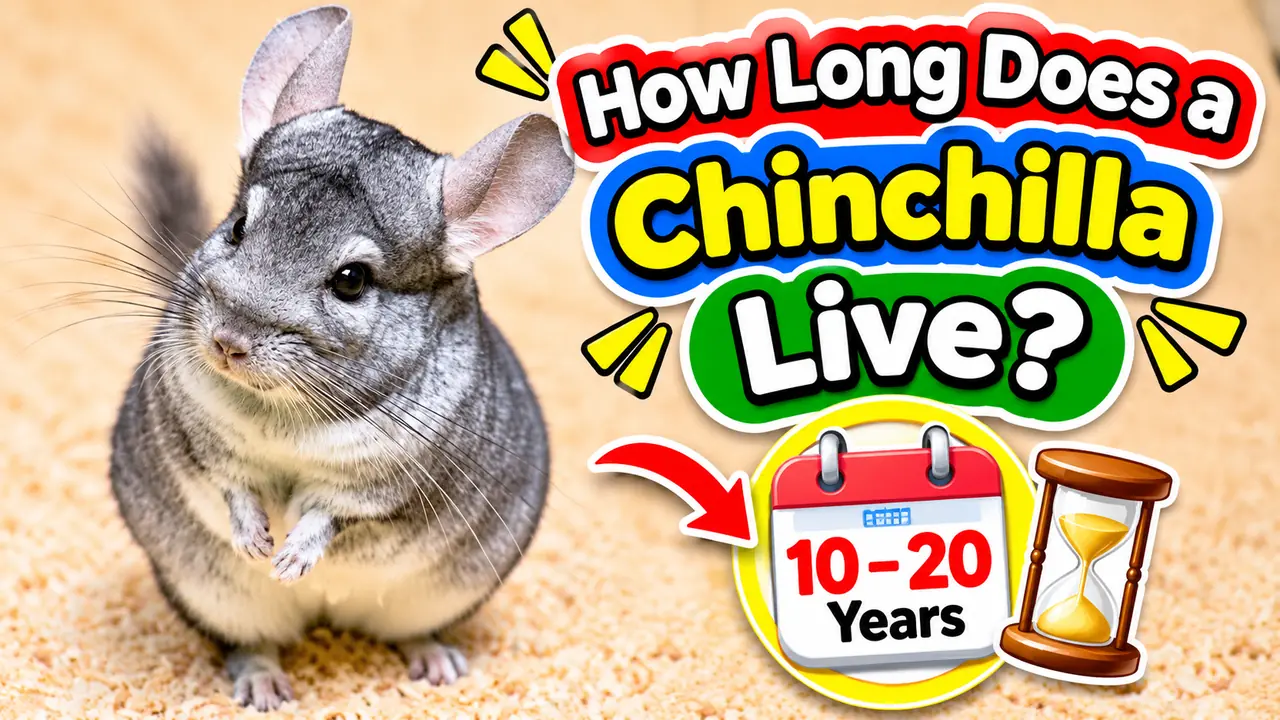
A pet chinchilla usually lives 10 to 15 years, and with excellent care many reach 15 to 20. That makes them one of the longest-lived rodents you can keep, outlasting hamsters and rats several times over.
Wild chinchillas don’t fare nearly as well. Predators, harsh mountain weather and patchy food mean most live well under a decade in the Andes.
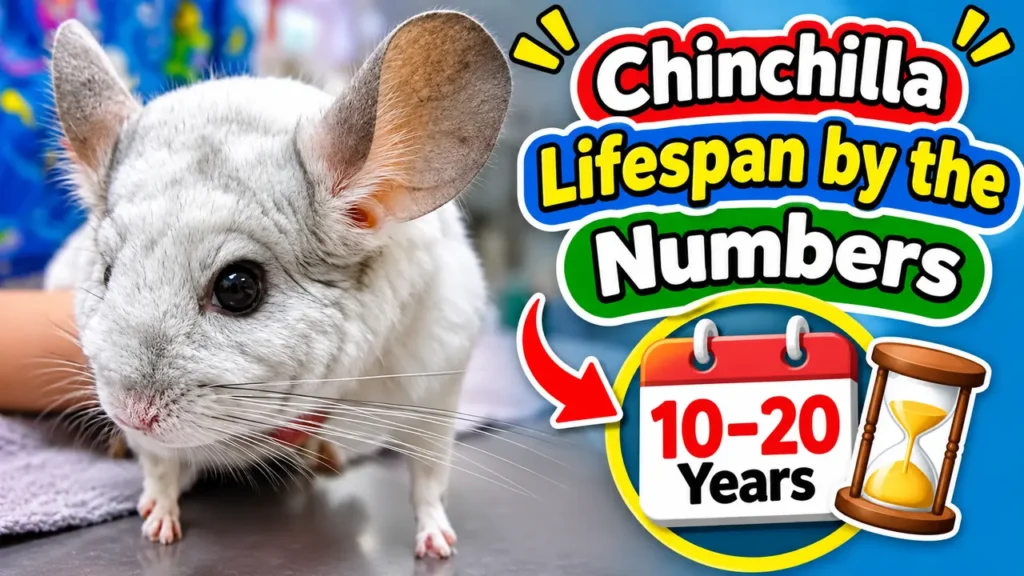
Chinchilla Lifespan by the Numbers
| Situation | Typical Lifespan |
|---|---|
| Average pet chinchilla | 10 to 15 years |
| Pet with excellent care | 15 to 20 years |
| Wild chinchilla | Roughly 6 to 10 years |
| Oldest on record | 29 years and 229 days |
The record holder was a chinchilla named Radar from California, recognized by Guinness World Records. That’s an extreme case, but it shows how much life is packed into such a small body.
Why Chinchillas Outlive Most Small Pets
Most small rodents race through life in two or three years. Chinchillas grow slowly, carry their young for about 111 days and have small litters, all hallmarks of a longer-lived species.
Life as a pet also removes the biggest dangers they face in the wild. With no predators, steady food and access to vet care, a chinchilla can live far longer than it would in the mountains.
The Life Stages of a Chinchilla
Kits (Birth to About 2 Months)
Baby chinchillas arrive fully furred with their eyes open, and they start nibbling solid food within days. Most stay with their mother until they’re weaned at around 6 to 8 weeks.
Juveniles (2 Months to About 1 Year)
This is the bouncy, curious stage. Young chins grow fast, can become sexually mature at just a few months old, and are usually close to full size by their first birthday.
Adults (About 1 to 10 Years)
Adults settle into their personalities and routines. With a steady diet and a cool home, this long middle stretch is usually the healthiest part of their life.
Seniors (Around 10 Years and Up)
Older chinchillas often slow down a little, nap more and turn into pickier eaters. Some lose weight or develop dental wear, so regular weigh-ins become even more useful.
What Can Shorten a Chinchilla’s Life
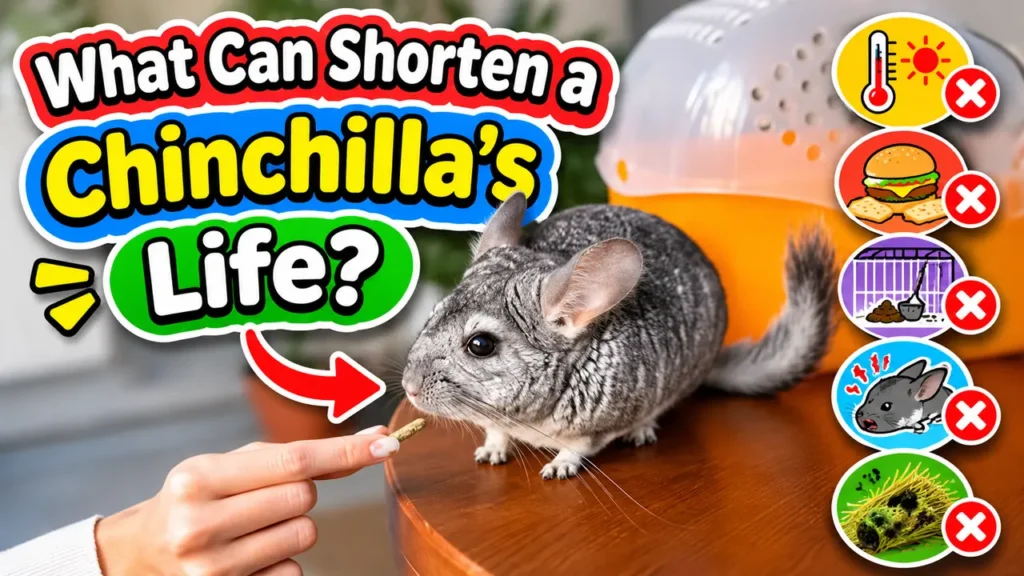
Most early losses in pet chinchillas trace back to a handful of preventable problems. Knowing them is half the battle.
- Overheating: Rooms creeping toward 80°F can trigger heatstroke, which can turn serious within hours.
- Dental disease: Teeth that aren’t worn down by hay can overgrow and make eating painful, which is why constant gnawing matters and why chinchillas chew everything.
- Poor diet: Sugary treats, seed mixes and too little hay can upset the gut and slow digestion.
- Injuries: Falls from a height, wire floors and unsafe wheels can lead to broken bones.
- Damp or dirty housing: Wet bedding and poor airflow raise the risk of skin and breathing problems.
- Ongoing stress: Loud rooms, rough handling and pets nearby keep a chinchilla on edge, and a chin that often freezes when scared is telling you something.
Habits That Help a Chinchilla Live Longer
- Keep their room between about 55°F and 70°F all year.
- Make grass hay the bulk of every day’s food and keep treats tiny.
- Weigh your chin monthly and look into any steady weight loss.
- Check droppings daily, since problems often show up there first. Odd-looking habits like eating their own poop are actually part of healthy digestion.
- Offer safe chews and plenty of room to exercise.
- Book a yearly exam with an exotic animal vet.
- Handle gently and keep the household calm around the cage.
[Add your own note: how old your chinchilla is now, or one habit that has kept them healthy.]
Signs Your Chinchilla Is Getting Older
- Less jumping and more time on the lower shelves
- Longer naps and a slower start to evening playtime
- A thinner or duller coat
- Gradual weight loss even with a normal appetite
- Dropping bits of food while chewing
Small changes go a long way for a senior. Lower ledges, ramps in place of big jumps and extra-soft hay can all help, but talk to your vet before changing anything in the diet.
Quick Answers
Can a chinchilla live 20 years?
Yes, although it isn’t the norm. Chinchillas kept cool, fed mostly hay and seen regularly by an exotic vet can reach 20, and a rare few go further.
Do male or female chinchillas live longer?
There’s no clear lifespan gap between the sexes. Care, diet and genetics matter far more than whether your chin is male or female.
How old is a chinchilla in human years?
There’s no official formula. As a rough guide, a 1-year-old chinchilla is a young adult, while a 10-year-old is stepping into its senior years.
How Care Choices Add Up Over the Years
No single habit guarantees a long life, but small daily choices stack up over a decade or more. Here’s how the biggest factors compare.
| Care Area | Helps a Long Life | Shortens It |
|---|---|---|
| Temperature | A steady room kept in the safe temperature range | Warm rooms and summer heatwaves |
| Diet | Mostly hay with measured pellets, as in our daily feeding guide | Seed mixes and frequent sugary treats |
| Teeth | Plenty of hay and safe wood to chew | Soft diets with little chewing |
| Housing | A tall cage with solid shelves, sized using our cage guide | Wire floors and long drops |
| Monitoring | Weekly weigh-ins and daily poop checks | Noticing problems only once they’re severe |
Weight tracking deserves a special mention. Our guide to how much a chinchilla should weigh explains how to set up a simple weekly routine, and our complete chinchilla care guide pulls all of these habits together.
Choosing a Chinchilla With the Best Start
A long life starts before a chinchilla ever comes home. A healthy young chin from a responsible breeder or rescue, with a known history, has a real head start.
- Bright, clear eyes and a clean nose
- Clean, dry fur around the mouth and rear
- Even, orange front teeth
- Plenty of normal droppings in the cage
- Alert and curious, not hunched or listless
Ask about age, diet and past health problems. A good breeder or rescue will happily answer, and an early checkup with an exotic vet gives you a baseline for the years ahead.
The Takeaway
Bringing a chinchilla home means planning for the next 15 years or more. Treat that as the real cost of ownership, then give them the cool, calm, hay-heavy life that helps them get there.