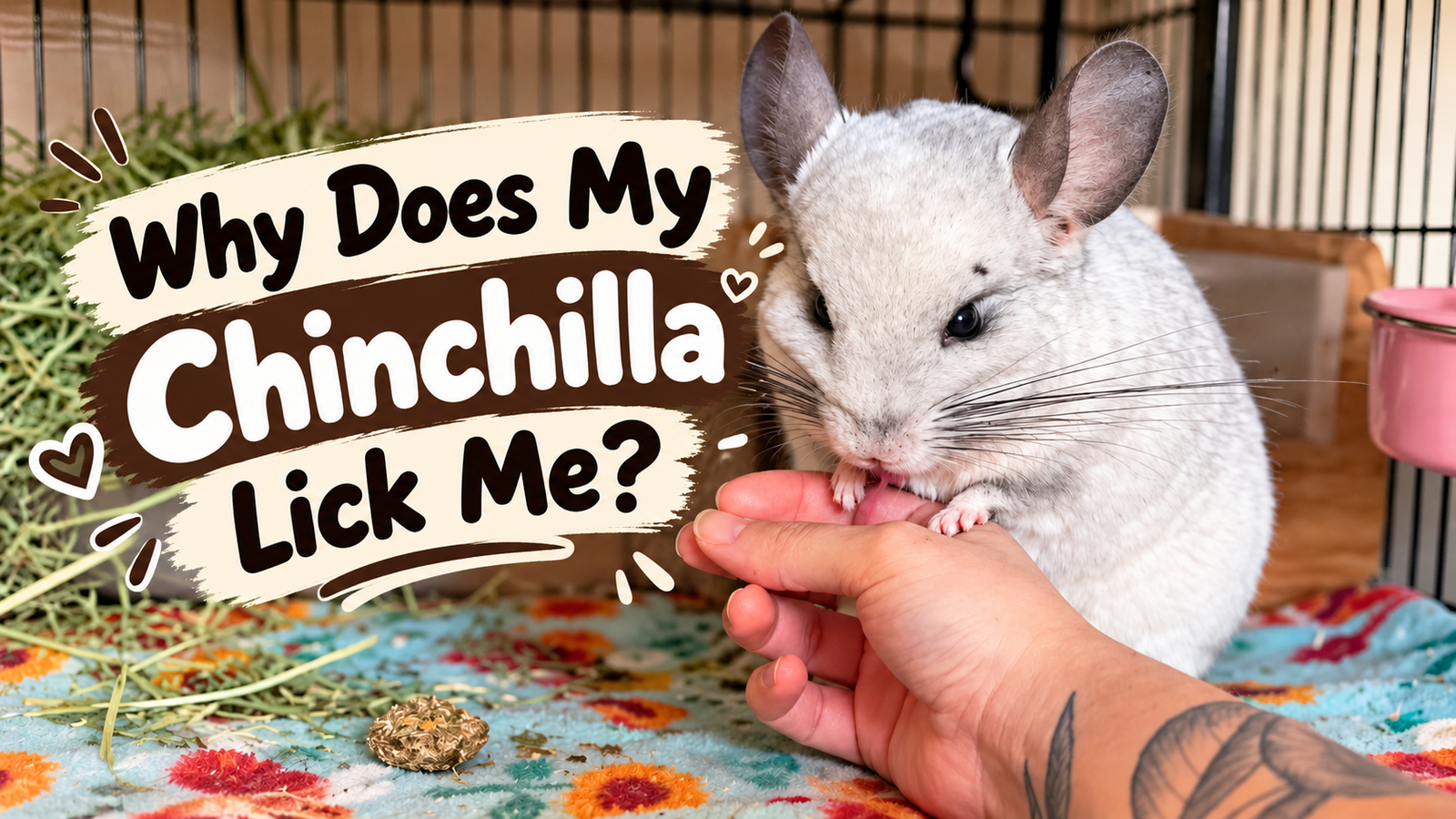
Why Does My Chinchilla Lick Me?
Chinchillas lick for a reason, and many of those reasons are kind and harmless. Start by counting how often the licking happens and what your hands smell like. If it is occasional, gentle licking, it often means your chin is tasting familiar scents or asking for attention. If licking is persistent, paired with drooling, open-mouth breathing, lethargy, or sores, treat it as a health signal and arrange a veterinary check promptly.
Common Reasons Licking Happens
Most chinchillas lick because they are exploring the world through taste. Their mouths and tongues gather information about scents left on skin (food smells, lotion, soap, or even the natural oils from your hands). Many chinchillas also lick as a social behavior, similar to gentle grooming. When the licking is brief, relaxed, and followed by normal posture (standing, relaxed ears, regular breathing), it usually fits into communication and curiosity.
Some chinchillas also lick during bonding sessions. If you have a consistent routine (same approach, calm voice, short handling time), licking may be an acceptable “conversation” that your chin uses to tell you, “I recognize you,” or “I like this.”
Keep an eye on timing. If licking starts suddenly after a change in diet, cleaning products, or bedding, that points to smell or skin sensitivity as the more likely driver.
Smells, Treats, And Skin Sensitivity
Chinchillas have sensitive senses, and your skin can carry many cues. If you have touched chin-safe foods, dust, hay, or even your own snacks, your fingers may smell appealing. Even when you think your hands are clean, residues from scented lotion, hand sanitizer, perfume, or laundry detergent can change the scent profile.
Licking can also reflect mild skin irritation. If your chin licks the same spot repeatedly, you may see redness, dandruff-like flaking, or small scabs on your chin’s lips or on your own skin. In chinchillas, any persistent licking at the mouth area can be related to discomfort, so you do not want to assume it is purely affectionate.
For young chinchillas, curiosity is common during first bonding. For adults, sudden changes after product swaps (soap, bedding cleaner, dust bath add-ons) are a strong clue. Seniors may lick more if they have dry mouth, dental discomfort, or reduced grooming ability, so changes in drinking, eating, or weight are especially important.
Stress, Curiosity, And Overhandling
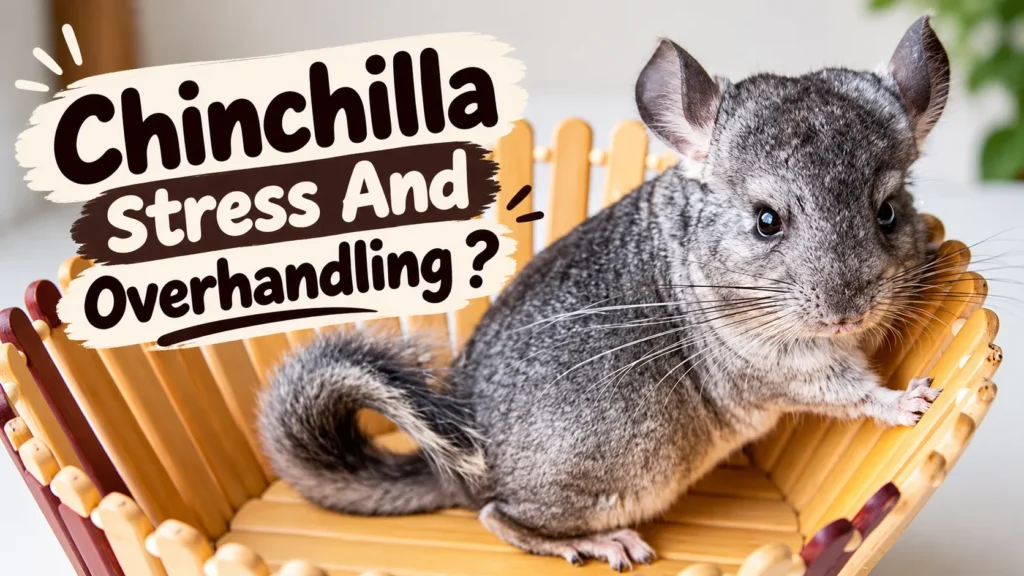
Licking can appear in more than one emotional state. In many pets, licking is a comfort behavior. If your chinchilla feels unsure, it may lick to cope or to create a predictable sensation. Overhandling can also increase “mouthy” behaviors, especially if your chin is being picked up too frequently, too quickly, or without giving them the choice to approach.
Observe the full body picture. If licking is accompanied by restlessness, tense posture, pinned ears, or frequent attempts to escape, it may be linked to stress rather than affection. Some chinchillas also lick after a stressful event, such as travel, a new cage setup, loud noises, or introducing a new person.
Bonding And Social Grooming Signals
Chinchillas groom each other using gentle mouth-to-fur contact. Licking you can mimic that social grooming. When a chinchilla chooses to lick, it can mean they trust you and have incorporated you into their social world. Many owners notice this most during calm interactions: quiet room, dim lighting, slow movements, and consistent routines.
A helpful way to tell affectionate licking from problematic licking is to compare it across contexts. Affectionate licking often happens during predictable “safe times,” like when you sit quietly near the cage or offer a hand for sniffing. Problem licking tends to escalate regardless of setting, or it targets only the mouth area with frantic repetition.
Training comes down to reinforcing calm. Use quiet reinforcement (talk softly, offer a small chin-safe treat after the licking ends, keep sessions short). Avoid forcing contact, because forcing can convert a bonding behavior into a stress behavior.
Oral Discomfort And Dental Clues
Because chinchillas’ mouths and teeth are closely linked, persistent licking can sometimes point to discomfort. Dental issues are a common concern in small herbivores when teeth alignment or growth causes pain. If licking is frequent, intense, or paired with eating changes, it deserves a veterinary assessment.
Also watch for accompanying signs: drooling, wet fur around the mouth, reduced hay intake, messy eating, picking up food then dropping it, weight loss, or difficulty chewing. If your chinchilla is licking your fingers but also licking the cage bars or their own mouth area, that can be a “pain-focused” behavior.
When Licking Is A Health Urgency
Treat respiratory signs such as open-mouth breathing, persistent tail bobbing with breathing, bluish gums, or significant lethargy as urgent. Neurologic signs, including uncoordinated movement, head tilt, or collapse, also require prompt attention. A chinchilla can deteriorate quickly, and delays cost outcomes.
Also take it seriously if licking is paired with blood, sores, or rapid worsening. Mouth injuries can occur from chewing the wrong items, rough bedding, or foreign material.
| Situation | Often Normal | Needs Vet Check |
|---|---|---|
| Licking frequency | Brief, intermittent | Persistent or escalating over days |
| Breathing | Normal, calm breathing | Open-mouth breathing, distress |
| Appetite | Eating hay and pellets normally | Reduced appetite or no hay |
| Saliva | No drool | Drooling or wet mouth fur |
| Skin and mouth | No sores | Blood, wounds, or visible pain |
Schedule a vet check if this persists for more than 48 hours, unless you also see drooling, breathing changes, or appetite loss. If your chinchilla ingests something unsafe, contact your veterinarian immediately for guidance.
Safe Handling And Training Steps
You can guide licking toward positive bonding by controlling the conditions that trigger it. Start by offering your hand at cage level so your chin can choose. Keep sessions short. Talk softly, and let sniffing happen before you allow any touch. If licking occurs and your chin is relaxed, reward calm behavior right after the licking ends, so your chin learns the interaction is pleasant.
Never pull your hand away abruptly during licking. Sudden movement can teach your chin that your hand is unpredictable. Instead, gently pause, then withdraw slowly after a few seconds. If licking is mouth-focused and paired with reluctance to eat, do not “train through it” – contact a vet.
Feeding, Preventive Care, And Vet Visits
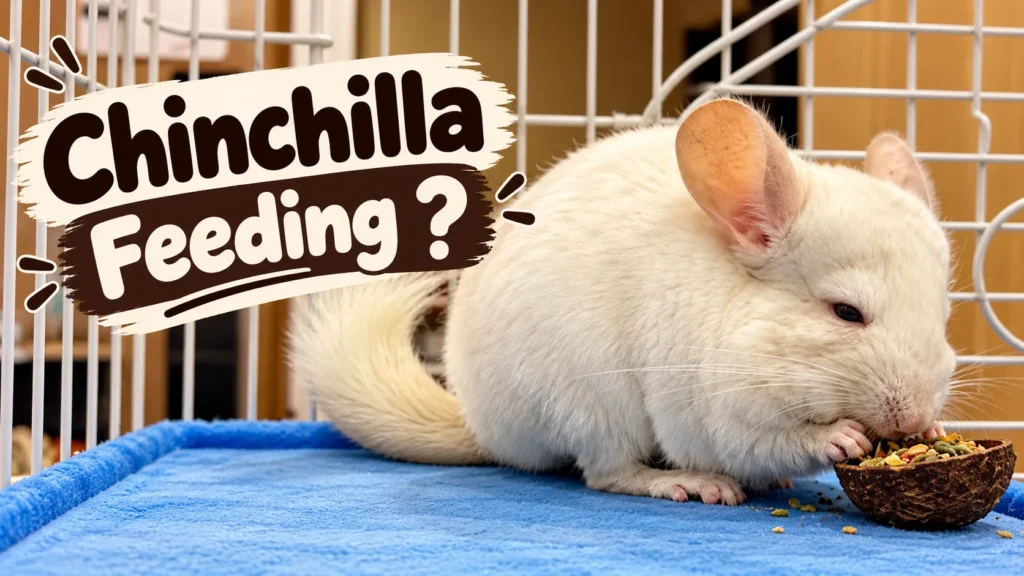
Diet and preventive care reduce the chances that licking is driven by discomfort. Most chinchillas do well on a forage-based diet (hay as the foundation) plus measured chin-appropriate pellets. Treats should be occasional and small. When nutrition is off, appetite can change, and oral discomfort can become more noticeable.
Preventive care for exotics typically includes routine wellness exams and dental evaluation when indicated. If your chinchilla has a history of dental problems or you notice ongoing mouth-related behaviors, schedule sooner rather than later.
Cost can vary widely by region and by how involved an exam becomes. A basic exotics exam may be a modest baseline, while dental evaluation may require additional procedures. Your clinic can quote an estimate before they do more.
For feeding amounts, many owners are advised to follow the pellet label for body weight and adjust based on appetite and body condition.
Quick Summary
Track licking patterns by time, body language, scent changes, and eating quality, and keep handling gentle.
FAQ
Is My Chinchilla Licking Me Affectionate?
Gentle, occasional licking with relaxed posture often is a friendly bonding behavior. Watch for context, such as licking during calm interactions and normal eating afterward. Repetitive or mouth-focused licking may have another cause.
Why Does My Chinchilla Lick My Fingers After Treats?
Food smells on your hands can trigger taste exploration. Rinse your hands with unscented soap before handling and avoid scented lotions or cleaners near the cage.
When Should I Worry About Licking?
Use the warning signs described above to decide when to seek a vet check; urgent signs require prompt care.