Why Does My Chinchilla Suddenly Run Around Like Crazy?
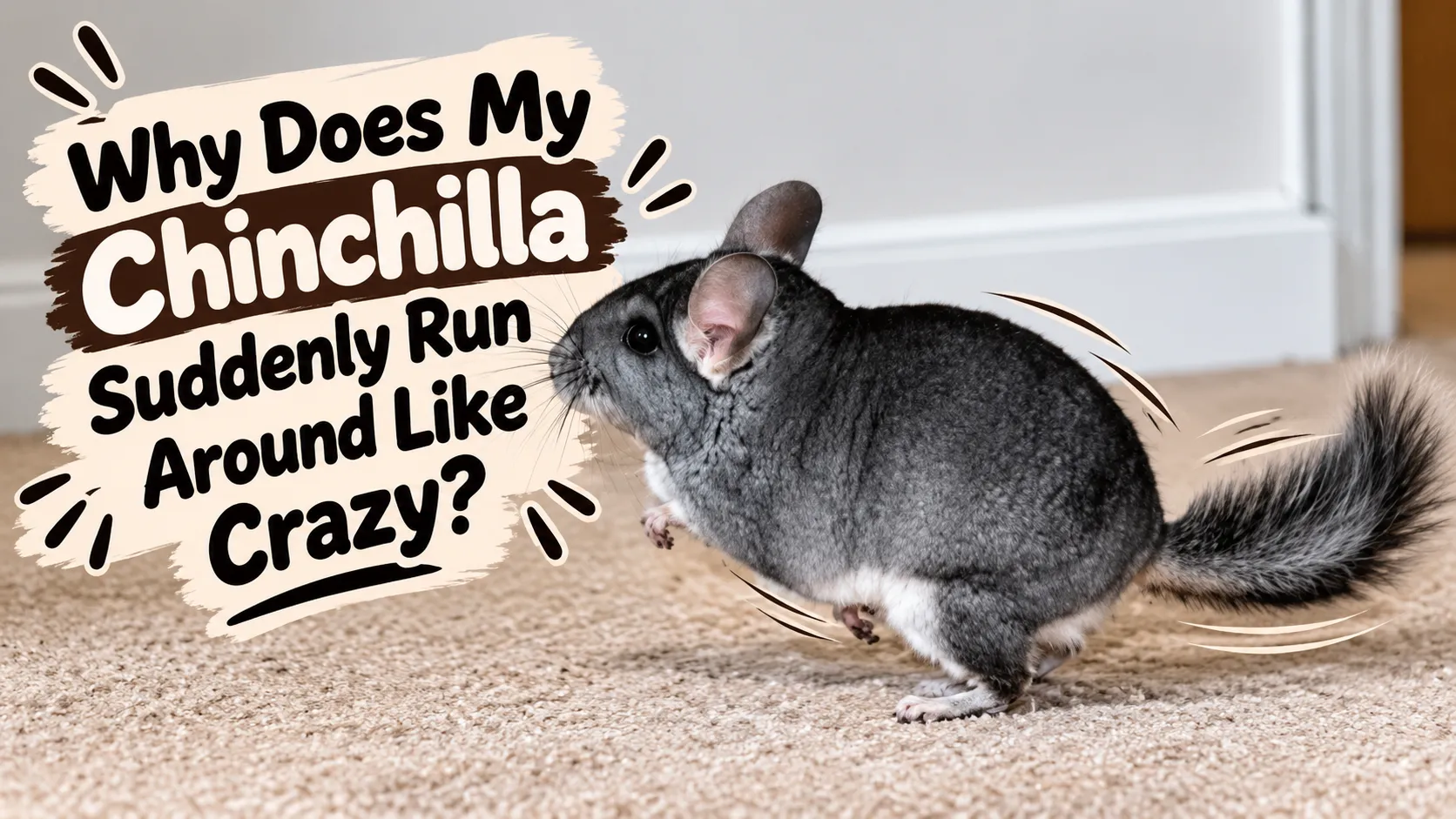
Chinchillas often run, bounce, and sprint during low-stress times of day, especially when they are healthy and their environment supports natural activity. A sudden burst can also happen after a routine change, new enrichment, or a quiet start to their evening. At the same time, “zoomies” can overlap with discomfort, pain, overheating, or gastrointestinal upset. The key is to watch what happens before, during, and after the sprint.
Zoomies Versus A Body Problem
Chinchilla “zoomies” are usually brief, energetic bursts where the animal appears coordinated and alert. Most often, the chinchilla is moving with curiosity, exploring, and quickly returning to normal behavior. A body issue tends to look different: the animal may freeze between sprints, lower its head, stop eating, keep one area pressed, or show uneven movement. Sometimes the running is a stress response, other times it is linked to discomfort. The challenge is that chinchillas are small, and pain signs can be subtle.
Use a simple before-and-after check. Did the run start right after cleaning the cage, a temperature change, a new scent, or handling? Did it end with grooming, normal appetite, and relaxed posture? If the sprint is paired with changes in appetite, breathing, posture, or droppings, take it seriously.
Common Triggers In A Healthy Chinchilla
In many homes, the most likely reason is that the chinchilla is ready to be active. Chinchillas are crepuscular and can become more active around dawn and dusk. If your routine has been consistent, you may notice the “sudden” bursts happen around the same time daily. Another frequent trigger is environment. If the cage has been cleaned, a new hide was added, or you recently changed hay placement, the chinchilla may investigate quickly and sprint as it settles in.
Enrichment timing matters too. A fresh dust bath, a new chew, or a recently rotated set of toys can spark playful running. Some chinchillas also run after a period of rest, especially if they were sleeping during the day. That can look like it comes out of nowhere, but it is often the start of their natural activity cycle.
Environmental Stress And Overheating Clues
Chinchillas are sensitive to heat. When temperatures are too high, animals may become restless, pant, or try to escape. Even if your home feels “comfortable” to you, a chinchilla can be more affected because of dense fur. Heat stress can also reduce appetite, and a decreased appetite can then lead to GI upset. That GI discomfort can show up as agitation, restlessness, and repeated bursts of running.
Stress can be triggered by strong odors, household chemicals, new pets, loud noises, or changes in handling. Also watch for cage location. If the cage is near a draft, direct sun, a radiator, or a busy walkway, the chinchilla may pace and then sprint after being startled.
Look for these clues right away, and treat them as urgent if they occur together.
Gi Discomfort And Pain Signals
Sometimes sudden running is the body’s way of coping with discomfort. Chinchillas can experience gastrointestinal changes, including painful gas or constipation, and the animal may appear restless, restless then sprinty, then quiet or hiding. You may notice smaller or fewer droppings, changes in stool consistency, or your chinchilla not eating hay the way it normally does. Pain can also alter gait, making a chinchilla reluctant to jump and then sprint briefly when it decides the moment is safe.
Dental discomfort is another possibility to keep in mind. If chewing seems different or hay is dropped, the animal may show behavioral changes that seem unrelated, including sudden bursts of activity followed by withdrawal. Ear or skin discomfort can also lead to frantic movement, especially if the animal is trying to escape an itch or irritation.
From my clinical experience, a chinchilla that sprints and then quickly becomes withdrawn, stops eating, or shows droppings changes deserves a same-day call to a veterinarian, especially if there is any sign of pain.
Handling, Bonding, And Training Setup
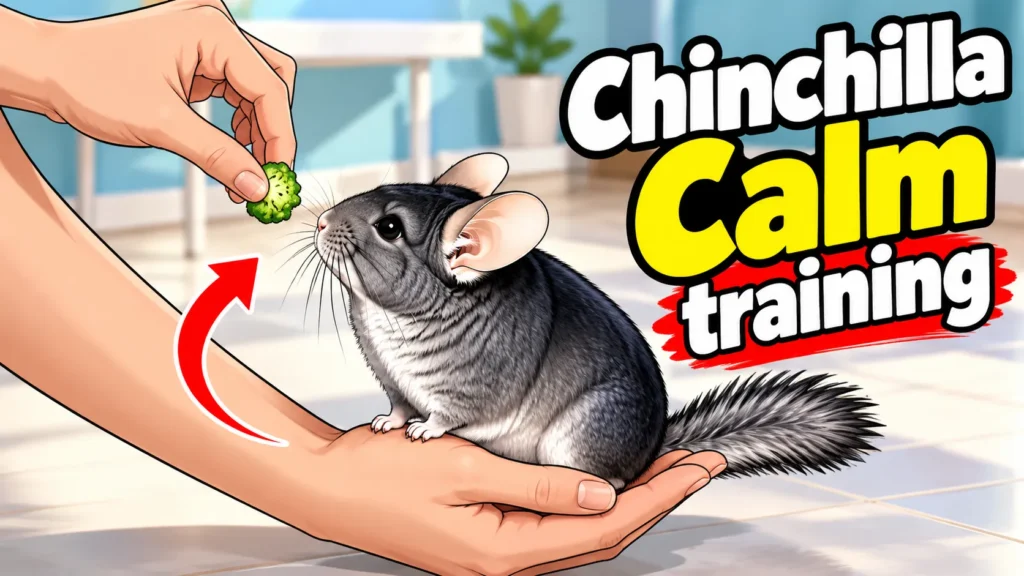
Even gentle handling can trigger a startle response, particularly in animals who are still learning that hands are safe. If your chinchilla suddenly runs during or right after interaction, it could be a fear response rather than playful zoomies. Training can help your chinchilla learn that calm behavior gets good outcomes. Focus on predictable routines and short, low-pressure sessions.
Use slow body language, offer treats with minimal reaching, and allow the chinchilla to choose contact. If your chinchilla repeatedly bolts when you reach into the cage, adjust your technique by practicing target behavior first (touching a stick or target to earn a treat). Avoid chasing or forcing movement, as that can increase stress and make the bursts more frequent.
When It Could Be Mating Or Hormones
Chinchillas can show higher activity during hormone cycles. If your chinchilla is male or has had any exposure to a nearby adult (even through a different room), you might notice more sprinting, mounting behaviors, increased vocalization, or changes in territorial behavior. Sometimes the running looks “crazy,” because the animal is driven and focused, and because the cage setup may not allow the behaviors to express normally.
If you have more than one chinchilla, housing matters. Even compatible pairs can have intense moments. Watch for aggression signs, hair pulling, repeated chasing, or injuries. If there is any fighting, separation and veterinary advice are appropriate. Also consider stress from new companions, changes in sex pairing, or modifications to the room layout.
For breeding-age animals, consult an exotics-savvy veterinarian for guidance on safe management. That helps you reduce stress while keeping the animal comfortable.
Age-specific Guidance And What To Watch
Young chinchillas can be more energetic and may sprint after play or exploring new things. For kits or juveniles (under about 6 months), zoomies alone can be normal, especially if appetite, droppings, and breathing look consistent. Still, young chinchillas are more fragile if something goes wrong.
Adult chinchillas (about 1 to 7 years) are often the best candidates for “check the environment first.” Review temperature, dust bath access, enrichment, and routine consistency. Seniors (over about 7 years) may sprint in short bursts due to discomfort, arthritis-like pain, or other age-related issues. Even if the running is energetic, watch carefully for stiff joints, reduced jump height, or changes in grooming.
| Age group | More likely cause | Home checks | Vet call timing |
|---|---|---|---|
| Pups under 6 months | Play and normal activity | Appetite and droppings, breathing, posture | Same day if appetite or droppings change |
| Adults 1 to 7 years | Routine or enrichment trigger | Heat exposure, stressors, cage setup | Within 24 hours if repeated bursts persist |
| Seniors over 7 years | Discomfort or mobility limits | Jump ability, gait, hiding, grooming | Within 24 hours if stiffness or droppings change |
At-home Steps And When To Seek Care
Start with safety and observation. Move the cage away from direct drafts, sun, and heat sources. Ensure fresh water is available and that hay is easy to reach. If your chinchilla is sprinting, avoid grabbing or restraining during the burst. Instead, create a calm space and give time for the animal to settle. Keep lights and sound low, and offer a favorite chew or hay once the chinchilla pauses.
Track patterns. If the zoomies happen at a specific time, after specific cleaning products, or after you change bedding, that is a clue. If anything seems off, prioritize an exotics-savvy veterinary visit.
If your chinchilla is panting, has open-mouth breathing, refuses food, has very abnormal droppings, or seems in severe distress, contact an exotics veterinarian immediately. Schedule a vet check if this persists for more than 48 hours, keeps recurring with worsening symptoms, or you see any injury, limping, or repeated hiding.
Quick Summary
Sudden chinchilla zoomies are often normal activity, especially around dawn and dusk, after enrichment, or following routine changes. The same behavior can also signal stress, overheating, GI discomfort, dental issues, or pain. Young animals need extra vigilance, and seniors may be uncomfortable even when they look energetic.
FAQ
What Does Normal Zoomies Look Like In Chinchillas?
Normal zoomies usually involve coordinated, alert sprinting followed by quick recovery. The chinchilla stays interested in its environment, returns to typical rest positions, and keeps eating hay. Droppings remain consistent, and breathing looks calm with no obvious distress cues.
When Should I Worry About Sudden Running?
Worry if the sprint is paired with refusing food, changes in droppings, limping, hiding that lasts, open-mouth breathing, or a warm, stressed body. If these signs happen together, contact an exotics veterinarian right away. If it persists beyond 48 hours, seek care promptly.
Can Stress Cause Zoomies?
Stress can absolutely increase bursts of frantic movement. Common triggers include heat, loud noise, new scents, drafts, handling that startles the chinchilla, or changes in cage setup. Reducing stressors and using gentle, reward-based training helps, but persistent symptoms need veterinary input.