What Should Healthy Chinchilla Poop Look Like? A Simple Poop Chart
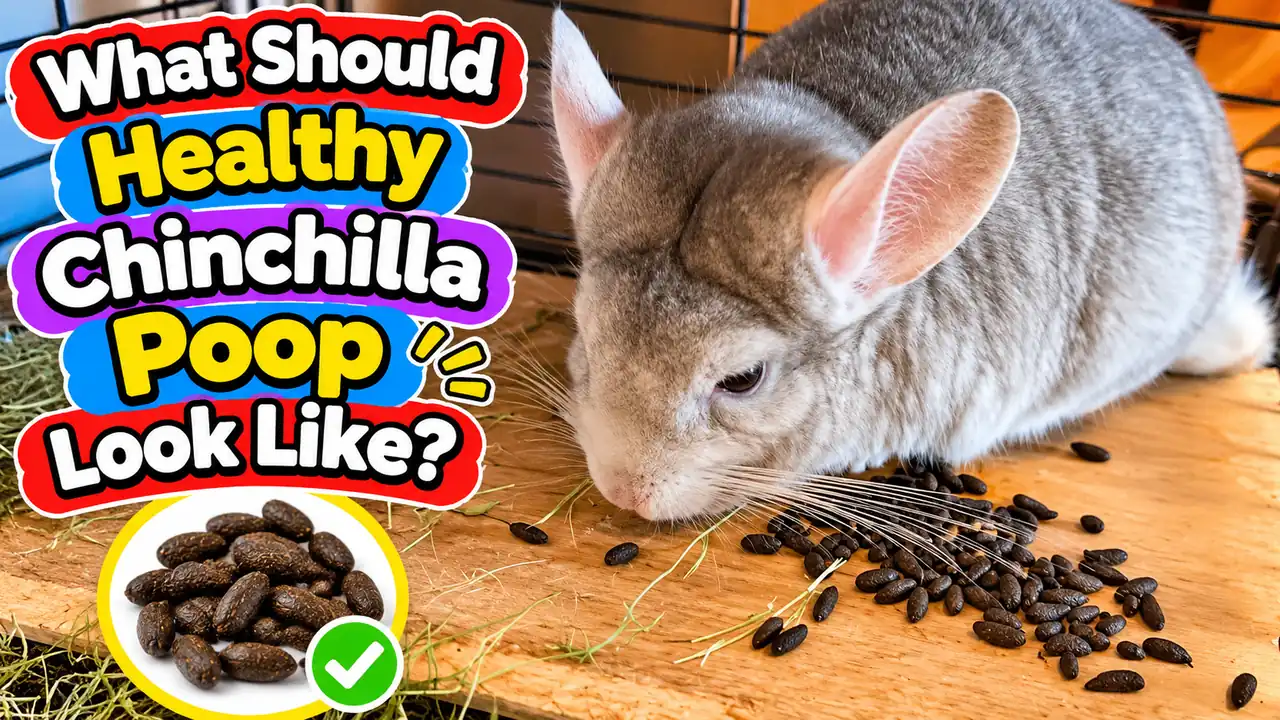
Healthy chinchilla poop is small, firm and dry, shaped like a grain of rice or a tiny bean, and dark brown to almost black. It shouldn’t be sticky, smelly or misshapen, and a healthy chin produces a lot of it, often hundreds of droppings a day.
It might not be the most glamorous topic, but droppings are one of the best health checks you have. Because chinchillas hide illness so well, changes in their poop are often the very first warning sign.
What Normal Chinchilla Poop Looks Like
| Feature | Healthy Droppings |
|---|---|
| Shape | Oblong and rounded at both ends, like a grain of rice or small bean |
| Size | Fairly uniform, usually smaller than a pea |
| Color | Dark brown to black |
| Texture | Firm and dry, not sticky or mushy |
| Smell | Very little or none |
| Amount | Plentiful, spread around the cage throughout the day and night |
The size and shape should look much the same from day to day. Once you know what’s normal for your chinchilla, unusual droppings stand out quickly.
Why Chinchillas Poop So Much
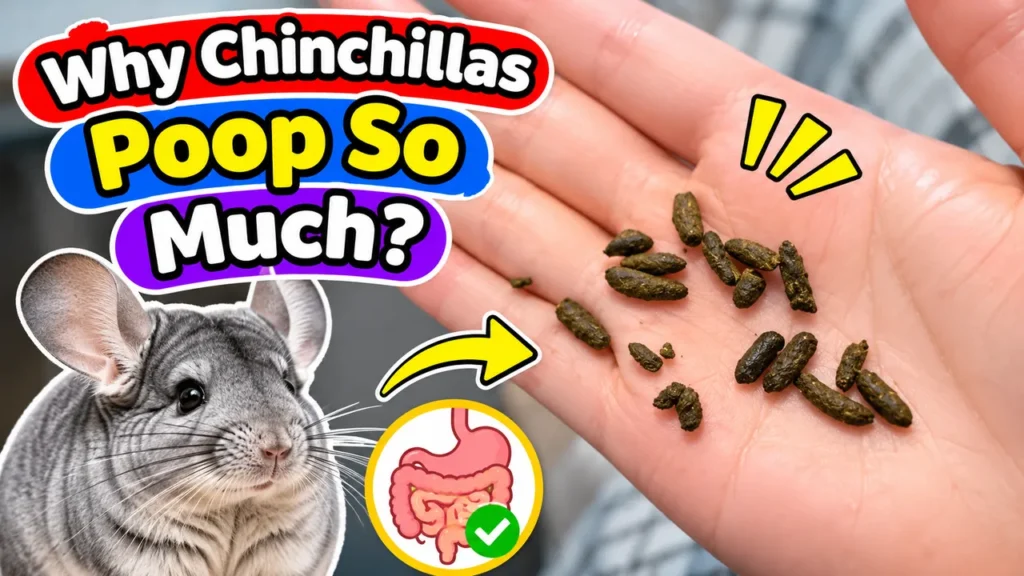
Chinchillas eat high-fiber hay almost constantly, and that fiber moves steadily through their gut. A healthy chin can produce well over a hundred droppings a day, with some estimates reaching around 250.
That steady stream is a good sign. It means food is going in and moving through, which is exactly what you want to see.
The good news for owners is that the droppings are dry and nearly odorless. They sweep or vacuum up easily, and they don’t stain fabric when your chin leaves a few on your lap.
Cecotropes: The Other Kind of Poop
Chinchillas also make a second type of dropping called cecotropes. These are softer, shinier and often clumped together, a bit like a tiny bunch of grapes.
You’ll rarely see them because chinchillas eat them straight away. That’s why chinchillas eat their poop: cecotropes are packed with nutrients and helpful gut bacteria that get a second chance at absorption.
Finding the occasional cecotrope isn’t a concern. Lots of uneaten ones, or soft droppings mixed in with the regular kind, are worth a closer look.
Chinchilla Poop Chart: What Changes Can Mean
| What You See | What It Can Mean | What to Do |
|---|---|---|
| Small, hard, dry droppings | Not enough water or fiber, or a slowing gut | Check water and hay, call the vet if it continues |
| Tapered or teardrop-shaped droppings | Digestion slowing down | Monitor closely and contact your vet |
| Fewer droppings than usual | Eating less, pain or early GI stasis | Call your vet the same day |
| No droppings for several hours | Possible GI stasis or blockage | Emergency vet visit |
| Soft, mushy or sticky droppings | Too many treats or greens, stress or infection | Cut extras, call the vet if it lasts beyond a day |
| Watery diarrhea | Serious gut imbalance or infection | Emergency vet visit |
| Droppings strung together with fur | Swallowed fur from grooming or fur chewing | Look for fur chewing and stress causes |
| Mucus coating | Gut irritation | Call your vet |
| Blood in or on droppings | Possible internal problem | Call your vet right away |
This chart is a guide, not a diagnosis. When in doubt, a quick call to an exotic vet is always the safer choice.
Do a Daily Poop Check in 30 Seconds
Make this part of your daily spot-clean. It takes almost no time once it’s a habit.
- Look at the amount. Is there roughly as much as usual since yesterday?
- Check the size. Are the droppings their normal size, or smaller than before?
- Look at the shape. Rounded and oblong is good, while thin, tapered or misshapen is a flag.
- Feel the texture. Pick one up with a tissue, and it should be firm and dry.
- Notice the smell. A strong odor isn’t normal.
If you have two chinchillas, it can be tricky to tell whose droppings are whose. Separating them briefly, or watching who’s eating, helps when something seems off.
[Add your own note: what your chinchilla’s droppings usually look like, or a time when a poop change warned you of a problem.]
Common Causes of Poop Changes
Diet
Too many treats, fresh greens, fruit or a sudden food switch are the most common reasons for soft droppings. Getting back to plenty of hay and measured pellets often sorts it out.
Not enough hay
A chinchilla that’s filling up on pellets or treats instead of hay tends to produce small, hard or fewer droppings. If your chin is snubbing hay, it’s worth finding out why.
Dehydration
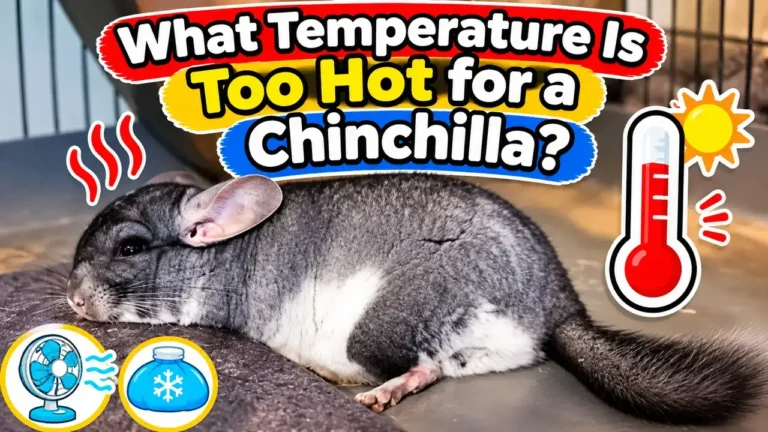
A blocked water bottle or a hot room can quickly lead to dry, small droppings. Check the spout daily and keep the room cool.
Dental problems
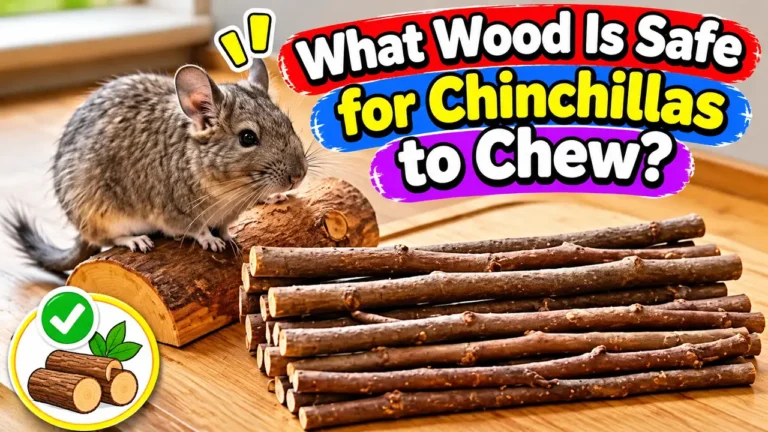
Sore teeth make chewing painful, so a chinchilla eats less and its droppings shrink. Drooling or dropped food alongside poop changes points strongly toward a dental issue. Plenty of hay and safe wood chews help prevent it.
Stress
A move, a new cage mate, loud noise or a vet trip can upset digestion for a short time. If things don’t return to normal within a day, call your vet.
Illness
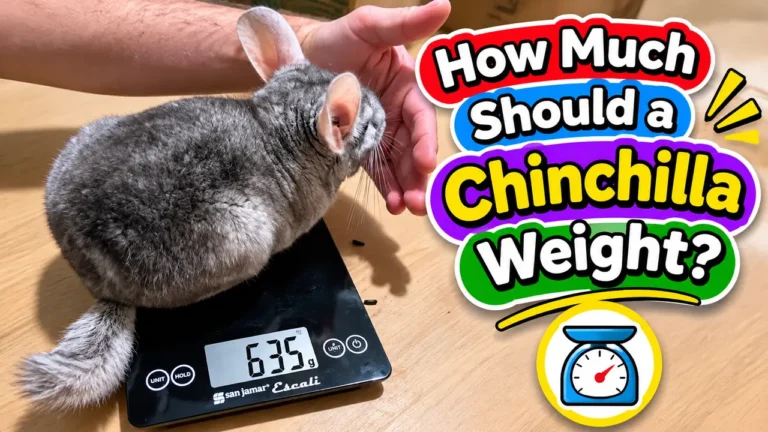
Infections, parasites and other health problems can all show up first in the droppings. That’s why changes are worth taking seriously even if your chinchilla seems fine otherwise. Pair poop checks with weekly weigh-ins for the clearest picture.
When It’s an Emergency
- No droppings at all for several hours
- Watery diarrhea
- A bloated, tight belly
- Your chinchilla stops eating
- A hunched posture, teeth grinding or lethargy
Chinchillas can’t vomit, and their gut can shut down fast. Any of these signs means it’s time to see an exotic vet as soon as possible.
Tips to Keep Droppings Healthy
- Offer unlimited fresh grass hay every day
- Measure pellets to about 1 to 2 tablespoons
- Keep treats tiny and infrequent
- Change water daily and check the spout
- Make diet changes slowly over a couple of weeks
- Keep the room cool, calm and stable
The Bottom Line
Healthy chinchilla poop is plentiful, dark, dry and shaped like a grain of rice. Take a quick look every day, learn what’s normal for your chin, and treat any big change as an early message worth listening to.