Why Do Chinchillas Chew Everything?
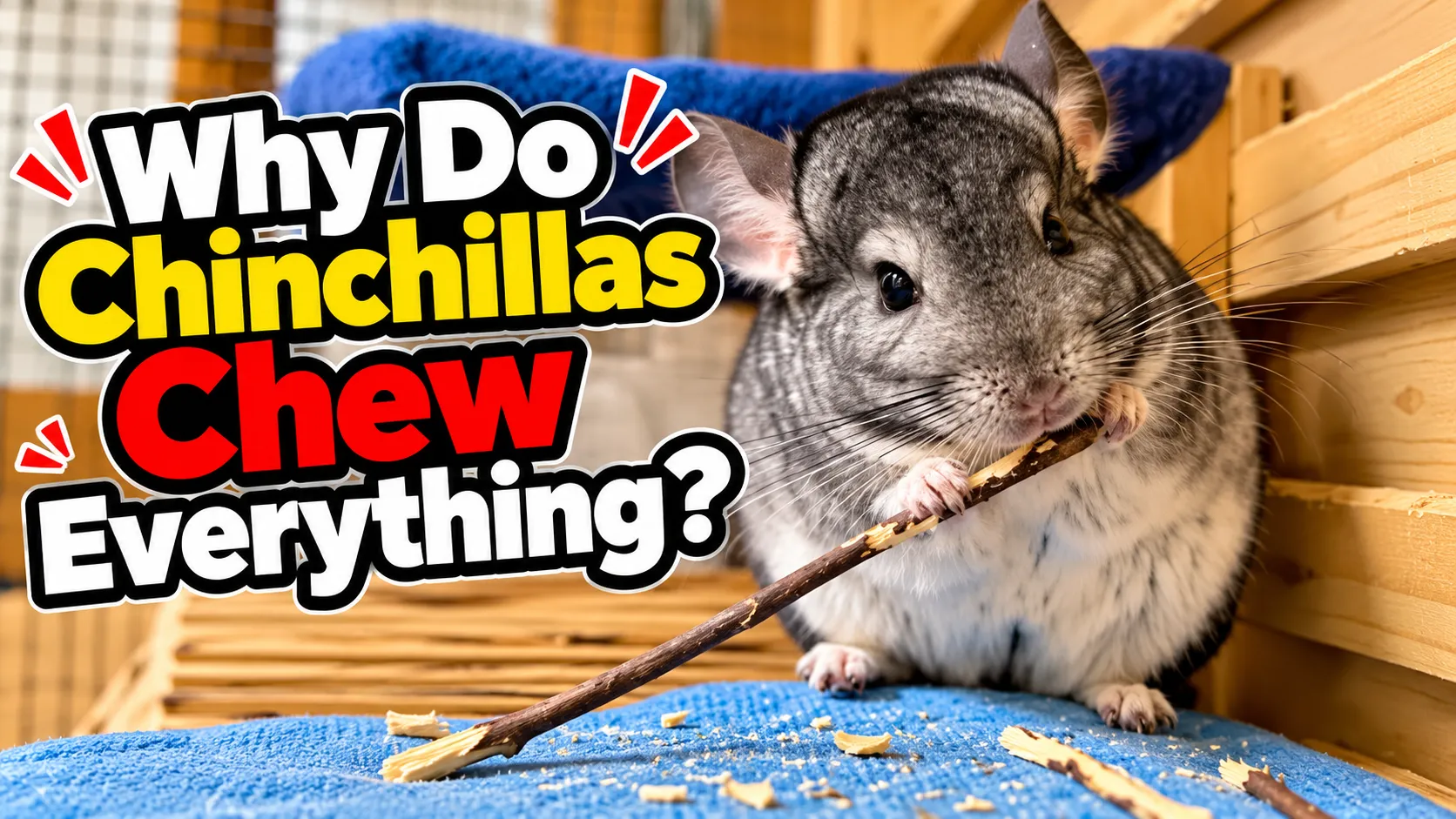
Chinchillas chew constantly, and it can be normal behavior rather than a “bad habit.” In fact, their teeth continuously grow, so they need safe, fibrous items to wear them down. The actionable step is to set up their environment so chewing has a purpose, then watch for patterns like sudden changes in appetite, drooling, or refusal to use toys. When those show up, you should contact an exotic veterinarian promptly.
Teeth Growth Meets Natural Behavior
Chinchillas are built for gnawing. Their teeth grow continuously, so chewing is a built-in way to keep tooth length under control. In a safe, natural routine, chewing also helps them explore, relieve curiosity, and break boredom. That combination is why a chinchilla may chew almost anything within reach, from cage bars and wooden blocks to cords and cardboard.
It helps to think of their chewing as “maintenance plus entertainment.” If you remove all chew options, they will still need something to chew, and they will choose whatever is available. This is also why chewing often increases during new introductions, after travel, or when their schedule changes.
With consistent, safe choices, most chewing stays in a healthy lane.
What Counts As Normal Chewing
Normal chewing looks purposeful: your chinchilla targets chew-safe items, uses steady pressure, and continues eating hay and pellets as usual. You may see lots of small bites and repeated chewing sessions throughout the day. Many chinchillas also chew more at dawn and dusk because they are crepuscular, so timing can matter.
Normal also includes mild tooth chatter or occasional exploration of new objects. If the behavior is consistent with your pet’s personality and daily routine, it usually means they are using teeth the way their body requires.
Chewing habits also change with age: younger chinchillas tend to explore more, while older chinchillas may chew differently if dental comfort changes. Pay attention to change over time more than the total amount of chewing.
Young Chinchillas Explore Faster
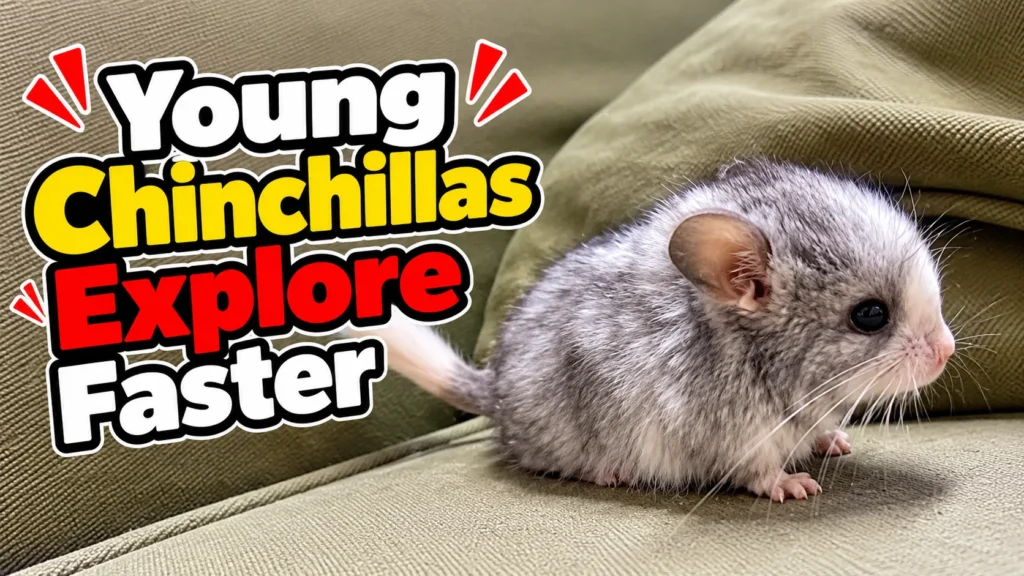
Pups or juveniles often chew more than adults because they are learning their environment and building confidence. In the first stages of life, oral exploration is common, and a chinchilla may test unfamiliar textures, temperatures, and shapes. This is the easiest time to prevent “bad targets” from becoming favorites.
For chinchillas under about 6 months, plan for frequent supervised access to safe chew options and a cage setup that leaves fewer tempting targets. Put cords out of reach, use chew-safe cage furniture, and avoid anything that can splinter or be swallowed in large pieces. If you notice a habit forming, redirect quickly and calmly to an accepted item.
For adults (roughly 1 to 7 years), chewing can still be high, but it often becomes more patterned. They may have “favorites,” like specific wood types or hay-based toys. For seniors over about 7 years, pay attention to chewing comfort and appetite. Arthritis or dental discomfort can shift their behavior, sometimes making them chew more or differently.
Diet, Hay, And Chew Options Matter
Chewing behavior improves when your chinchilla’s needs are met. Hay is a core part of a chinchilla’s daily diet because it supports fiber intake and provides something to gnaw. Pellets can also contribute to diet structure, but they do not replace the need for chew items and appropriate fiber.
When a chinchilla feels under-stimulated or their diet routine changes, they often start “chewing the problem.” That could mean cage bars, cardboard, or anything that smells interesting. Your goal is to prevent that by offering appropriate alternatives and keeping feeding routines stable.
Feeding amount should be guided by the brand of pellets and your vet’s or breeder’s recommendations for your animal’s body condition. A practical at-home approach is to weigh your chinchilla and adjust slowly. If you see weight loss, refusal of pellets, or dramatic changes in chewing, get veterinary guidance.
Some chinchillas are choosier than others, so it may take a few tries to find what they prefer.
Environmental Triggers That Increase Chewing
Chewing can spike when chinchillas are stressed, understimulated, or physically uncomfortable. Common triggers include poor ventilation, loud noises nearby, sudden schedule changes, new cage mates, or changes in temperature. Because chinchillas are sensitive animals, even small routine shifts can show up as increased activity like chewing.
Another trigger is lack of safe surfaces to gnaw. If your chinchilla’s enclosure has bare areas, flimsy chew targets, or hard-to-reach items, they may start sampling whatever is available. Likewise, boredom can lead to repetitive behaviors, including chewing inappropriate objects.
From my clinical experience, the fastest improvements usually come from adding safe chew choices and reducing the number of “accidental chew targets” (cords, loose cardboard, and splintery items).
Safe Training And Redirection Techniques
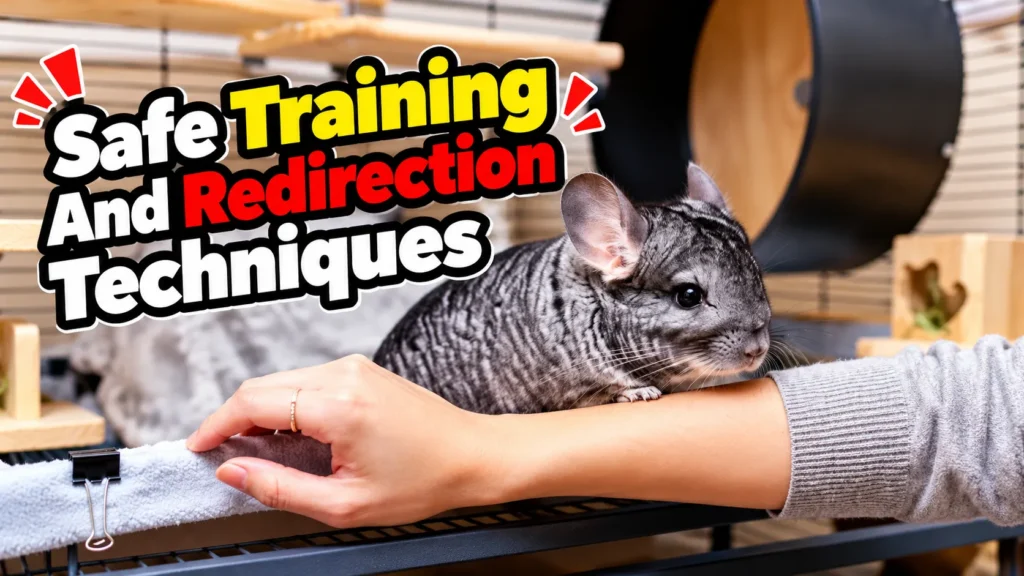
Chewing is an instinct, so training works best by redirecting to acceptable items while you protect the cage from danger. Aim for consistent choices: the moment you see your chinchilla target an unsafe object, interrupt calmly and offer the approved chew option immediately. If they accept the replacement, reinforce with a calm voice, gentle attention, or simply allow them to continue chewing.
Use positive-only methods. Avoid chasing, grabbing, or punishment, because those can increase stress and make chewing worse. Also avoid overly frequent changes to the environment, since sudden cage remodels can prompt more gnawing as exploration.
When Chewing Signals Dental Or Health Problems
Most chewing is normal, but some mouth-related problems cause chewing changes, including decreased appetite, drooling, messy eating, or apparent discomfort when chewing. Dental issues can make it harder for a chinchilla to eat hay or pellets, which quickly becomes a welfare concern. Because chinchillas can hide illness, subtle changes deserve attention.
Contact an exotic veterinarian promptly if you notice any of the following. Seek care sooner if the change is sudden or if your chinchilla is eating less. In clinics, staff may check the mouth for alignment and look for signs of overgrowth, irritation, or infection.
Schedule a vet check promptly when reduced appetite, drooling, or visible mouth abnormalities accompany the change.
| What You See | More Likely Normal | Needs Veterinary Advice |
|---|---|---|
| Chewing | On chew toys and hay; steady routine | Frequent chewing of unsafe items plus rapid escalation |
| Eating | Hay and pellets remain consistent | Refusing pellets, eating less, or only selective eating |
| Mouth | No drool, no visible sores | Drooling, blood, swelling, or pawing at the mouth |
| Behavior | Alert and active | Lethargy, hiding more, or clear distress |
In an emergency, prioritize immediate veterinary help. Never wait for “behavior to pass” if appetite drops.
Preventing Hazards In A Chew-friendly Setup
Even the best enrichment plan fails if the cage includes hazards. Chinchillas can chew through materials and may ingest pieces that cause choking or intestinal blockage. Keep safety at the center: choose sturdy chew items that are appropriate for chinchillas, and prevent access to cords, loose plastic, and anything that can splinter into sharp fragments.
Food safety matters too. While typical household items are sometimes the real problem, focus on what your chinchilla can access. Provide only safe, species-appropriate chew items and avoid “mystery woods” that might be treated or contaminated. If you are unsure about a plant, wood type, or snack, skip it.
| Toxic Risk (Examples) | Urgency Level | What To Do |
|---|---|---|
| Grapes/raisins | EMERGENCY, call vet immediately | Do not wait, call for guidance right away |
| Chocolate | EMERGENCY, call vet immediately | Contact your vet or poison line promptly |
| Xylitol (common in sugar-free products) | EMERGENCY, call vet immediately | Keep the container if possible, seek help immediately |
| Alcohol | EMERGENCY, call vet immediately | Call right away, do not induce vomiting |
| Onions/garlic | Urgent, contact vet immediately | Call your vet for dosing advice and next steps |
| Wild mushrooms | EMERGENCY, call vet immediately | Bring a photo or sample if safe |
Regular safety checks turn “chew everything” into a manageable, enriching routine.
Quick Summary
Chinchillas chew everything mainly because their teeth continuously grow, so gnawing is normal maintenance and exploration. Normal chewing usually pairs with steady hay and pellet intake and no drooling or mouth swelling. Young chinchillas explore more, adults often develop routines, and seniors may change chewing if dental comfort is off. Reduce hazards, offer safe chew options, and redirect calmly; contact an exotic veterinarian promptly if appetite drops or mouth signs appear.
FAQ
Is It Normal For Chinchillas To Chew Bars?
Chewing cage bars can be normal if your chinchilla also gnaws safe chew items and still eats normally. If bar chewing escalates suddenly or comes with drooling, weight loss, or refusal of hay, arrange a veterinary check. Bar chewing also suggests you may need more safe alternatives and better cage setup.
How Can I Stop Chewing Cords?
Cords should be treated like urgent hazards. Use cord covers and place cables behind furniture so your chinchilla cannot reach them. Then offer acceptable chew options near where your chinchilla already likes to investigate. Avoid grabbing or punishing, since stress often increases chewing.
When Does Chewing Mean A Dental Issue?
Chewing paired with reduced appetite, drooling, visible mouth sores, blood, or distress is concerning. A chinchilla that eats less can decline quickly, so contact an exotic veterinarian promptly.