Why Does My Chinchilla Bite Me?
Chinchillas often bite for practical reasons, not spite. One concrete step helps immediately: pause all handling the moment teeth contact skin, then resume only when your chinchilla is calm. This reduces accidental “practice” of biting. Most bite problems improve when owners adjust how they approach, build trust with short sessions, and check basics like cage stress, sleep disruption, and safe chew options.
What A Bite Usually Means
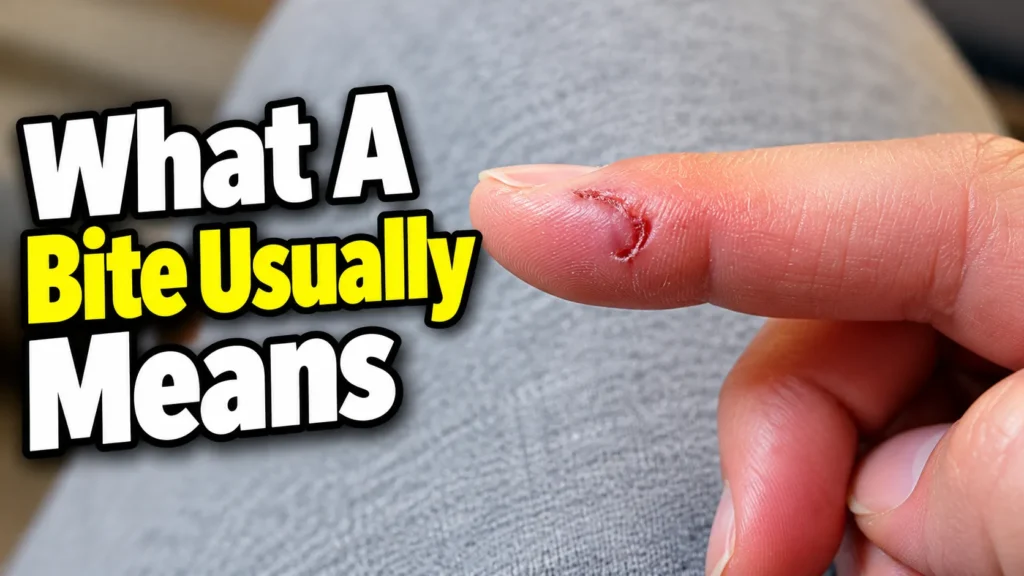
Biting is communication. Chinchillas have sharp incisors and will use them when they feel threatened, startled, uncomfortable, or simply overexcited. Many bites happen during routine moments, like reaching into the cage, trying to pet on demand, or waking a chinchilla that wants to rest. In many cases, the bite is a last resort, after earlier signals (freezing, turning away, tail or body tension, ears flattening, or frantic movement).
It helps to think in two categories. “Protective” bites occur when the chinchilla feels trapped or surprised. “Overstimulation” bites can happen during play or attention when your pet wants the interaction to change. “Resource” bites occur around the water spout, food dish, or favorite hiding spot.
- Quick nips can be a warning or frustration
- Repeated bites often reflect chronic stress or mis-timed handling
- Targeted bites at hands may be linked to how you enter the cage
- Any blood or deep puncture warrants a vet call for guidance
From a clinical behavior standpoint, the most effective early change is timing and body language, not arguing with the bite. Your goal is to prevent that “teeth contact” moment rather than react to it.
Top Triggers From Handling And Timing
Many chinchillas are crepuscular (most active around dawn and dusk), so handling at the wrong time can lead to startled reactions. A common trigger is reaching over the head or grabbing from above. Another is pulling a chinchilla out quickly, even if it seems calm to you, because your pet can feel restrained.
Temperature, noise, and routine changes matter too. Loud household events, vacuuming, and sudden guests can make your chinchilla feel less safe. Even a new treat brand or rearranged cage can shift territory boundaries, leading to biting as your pet tries to regain control.
Chinchillas also go through “young” and “adult” stages when it comes to social learning. For chinchillas under 6 months, bites often come from curiosity and learning bite pressure, while for adults (about 6 months to 7 years) bites more often reflect fear, boundaries, or overstimulation. For seniors (7+ years), pain, vision changes, and reduced tolerance can increase biting.
- Startle approach, especially from above
- Handling at sleep time
- Restrained removal from the cage
- Sudden changes to environment
Stress, Territory, And Cage Setup
A chinchilla’s cage is its safe zone. When the setup makes it feel exposed or crowded, biting can become a protective habit. Flooring, hiding spots, and climbing options matter because chinchillas regulate stress through movement and retreat. If your chinchilla has limited places to hide, your presence may feel unavoidable and threatening.
Territory issues can also appear when hands enter the same “personal area” repeatedly without an established routine. Some chinchillas bite during cleaning, especially when they cannot retreat. If you chase your pet across bedding or reach in too quickly during spot cleaning, the next interaction can start with fear.
For younger chinchillas, territorial biting may reduce as they gain confidence with consistent access to hides. For adult chinchillas, cage stress is a common reason bites persist. For seniors, make sure ramps and steps are easy to navigate and that hiding spots are accessible without awkward jumps.
- Provide multiple hideouts (so one is always available)
- Keep food and water in consistent locations
- Use slow, predictable cleaning routines
- Avoid handling when your chinchilla is mid-nap
Overstimulation And “Too Much, Too Fast”
Some bites are emotional, not defensive. A chinchilla can enjoy interaction and then hit an “enough” point where attention becomes uncomfortable. You might see your pet move closer, accept a treat, and then suddenly nip when you continue petting or keep talking. This is common when owners offer repeated touch after the chinchilla has signaled that it wants to stop.
Use a simple rule: treat consent as short and specific. Offer a treat from a consistent position, pause, and watch. If your chinchilla leans in calmly and then turns away, stop there. If your chinchilla freezes, tenses, or begins rapid head bobbing, back off.
Training works best in micro-sessions. For chinchillas under 6 months, keep sessions very short and focus on calm approach to your hand. For adults, use a steady “approach then retreat” pattern to teach that good things happen near you. For seniors, reduce session length and allow extra time for your pet to settle.
- Stop petting at the first sign of tension
- End sessions while your chinchilla is still relaxed
- Trade attention for treats, then step away
- Repeat daily, not longer, sessions
Chewing, Teething, And Normal Exploration
Chinchillas chew constantly. Their incisors grow continuously, and safe chewing outlets reduce stress and destructive behavior. Sometimes “biting” is actually exploratory mouthing, especially in young animals. If the bite happens during routine sniffing of your fingers, your chinchilla may be learning texture and boundaries.
Teething periods in very young chinchillas can increase nibbling, but the key is preventing hands from becoming the chew object. Provide appropriate chew items and make human skin less interesting by offering treats or safe alternatives at the moment your chinchilla shifts toward your hand.
For chinchillas under 6 months, expect more mouthy behavior, but still prevent teeth-to-skin contact using a consistent redirect. For adults, persistent hand mouthing often ties to habits, overstimulation, or low confidence. For seniors, a new increase in chewing of hands can sometimes reflect discomfort or changes in how your pet experiences touch.
- Offer chewing opportunities before handling
- Redirect to a safe chew or treat when mouthing begins
- Avoid pulling your hand away fast, which can escalate
- Never “test” bite tolerance by teasing with fingers
When Pain Or Illness Could Be Involved
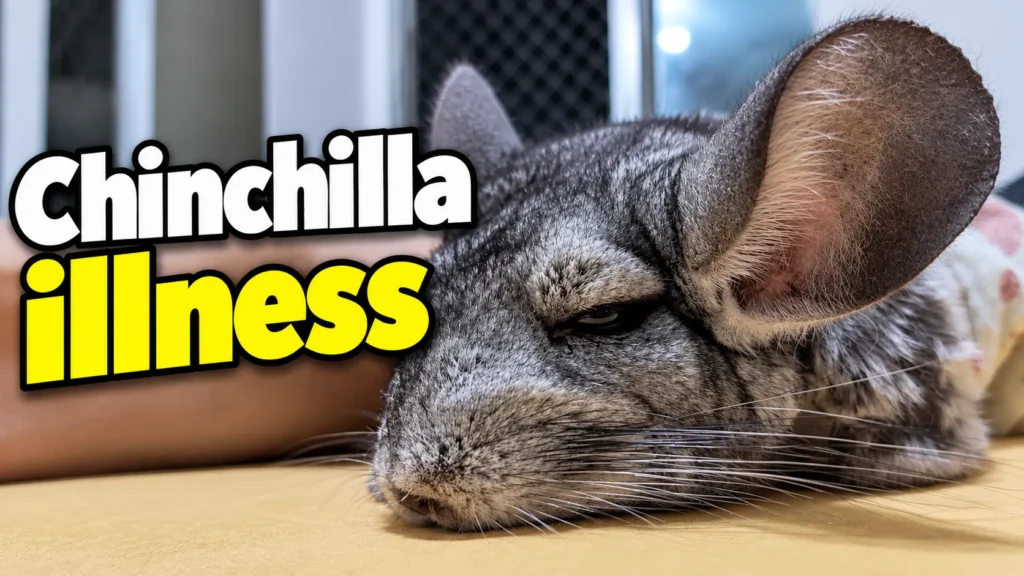
Injury and illness can make any animal bite more. If your chinchilla’s temperament has changed suddenly, or biting is paired with reluctance to move, hunched posture, reduced appetite, or changes in stool, consider a medical check. Tooth problems, digestive discomfort, and skin irritation can all reduce tolerance for touch. Even if you cannot see a clear injury, discomfort can be enough to trigger bites.
For chinchillas under 6 months, growth, dental development, and stress transitions can influence behavior. For adults, sudden aggression that is new for your pet is a red flag. For seniors, age-related pain and mobility changes increase the likelihood that touching will feel risky.
If your chinchilla is very lethargic or you suspect trauma, seek urgent guidance.
From my clinical experience, sudden behavior change plus decreased appetite or posture changes is the combination that most often warrants medical evaluation.
Step-by-step Training To Reduce Biting
Training should be positive and predictable. Your chinchilla learns what happens next. The goal is to remove the reward (attention, contact) that follows biting and replace it with calm, consent-based handling.
Use a “pause, then return to calm” routine. When a bite attempt happens, stop moving your hand, gently withdraw, and give your chinchilla space. Do not scold. Then try again later with shorter, easier steps. Build success by aiming for consistent, gentle interactions.
- Choose a quiet time when your chinchilla is awake and calm
- Offer one treat near your hand without grabbing
- Let your chinchilla approach. If it takes the treat calmly, immediately end the session
- Repeat for several days, gradually lowering the time between treat approach and hand presence
- Practice “hand out, hand away” so your chinchilla learns that you are predictable
Feeding amounts vary by diet and age, and chinchilla pellets are typically the staple with treats in smaller portions. Until then, keep treats small and consistent to avoid digestive upset.
Common Mistakes That Keep Biting Going
Some well-meaning choices can make biting more likely. Overhandling is one. Trying to force contact, petting “because your chinchilla seemed okay,” and repeatedly reaching into the cage without a routine can teach that hands predict stress. Another mistake is cleaning or touching while your chinchilla is asleep or retreating, which removes choice.
Using negative responses like yelling or swatting can also worsen fear. Many chinchillas do not connect punishment with “don’t bite.” Instead, they associate your hands and your presence with threat, which often increases biting frequency.
Chinchilla temperament varies a lot from one individual to the next. Still, the same principles apply: nervous or skittish individuals need slower exposure and more retreat options. The big difference is age. For chinchillas under 6 months, focus on gentle handling and bite prevention through redirecting. For adults, focus on trust and predictable timing. For seniors, focus on comfort and minimizing stressful touch.
- Reaching over the head during startled moments
- Staying in the cage after tension increases
- Scrambling during cleaning when your chinchilla is trapped
- Training sessions that last too long
Quick Summary
Chinchillas bite to communicate fear, discomfort, overstimulation, or boundary control. Handling timing matters, especially if your pet is startled or woken, and cage stress can turn routine interactions into threats. Many “bite” moments improve when you slow your approach, offer treats during calm consent, and use short sessions that end while your chinchilla is relaxed. Medical causes should be considered if biting is new, severe, or paired with appetite or movement changes.
FAQ
Why Does My Chinchilla Bite Only During Cage Cleaning?
Chinchillas may bite because they feel trapped or lose access to retreat space during cleaning. Move slowly, keep your routines predictable, and provide a safe hide during chores. Use brief, calm handling attempts only when your chinchilla is awake and relaxed. If behavior suddenly changes, consider a vet check.
How Can I Stop Finger Biting Without Punishing?
Use pause and withdrawal. When teeth touch, stop movement and step back, then return later with an easier step like offering a treat near your hand. Redirect hand mouthing to a chew or treat. Keep sessions short and end on success. Avoid yelling or grabbing.
When Should I Contact A Vet About Biting?
Contact a vet if the biting is suddenly new, causes blood or deep punctures, or comes with appetite loss, drooling, hunched posture, diarrhea, limping, or swelling. Seniors are more likely to bite due to discomfort, so pain checks are especially important when tolerance declines.