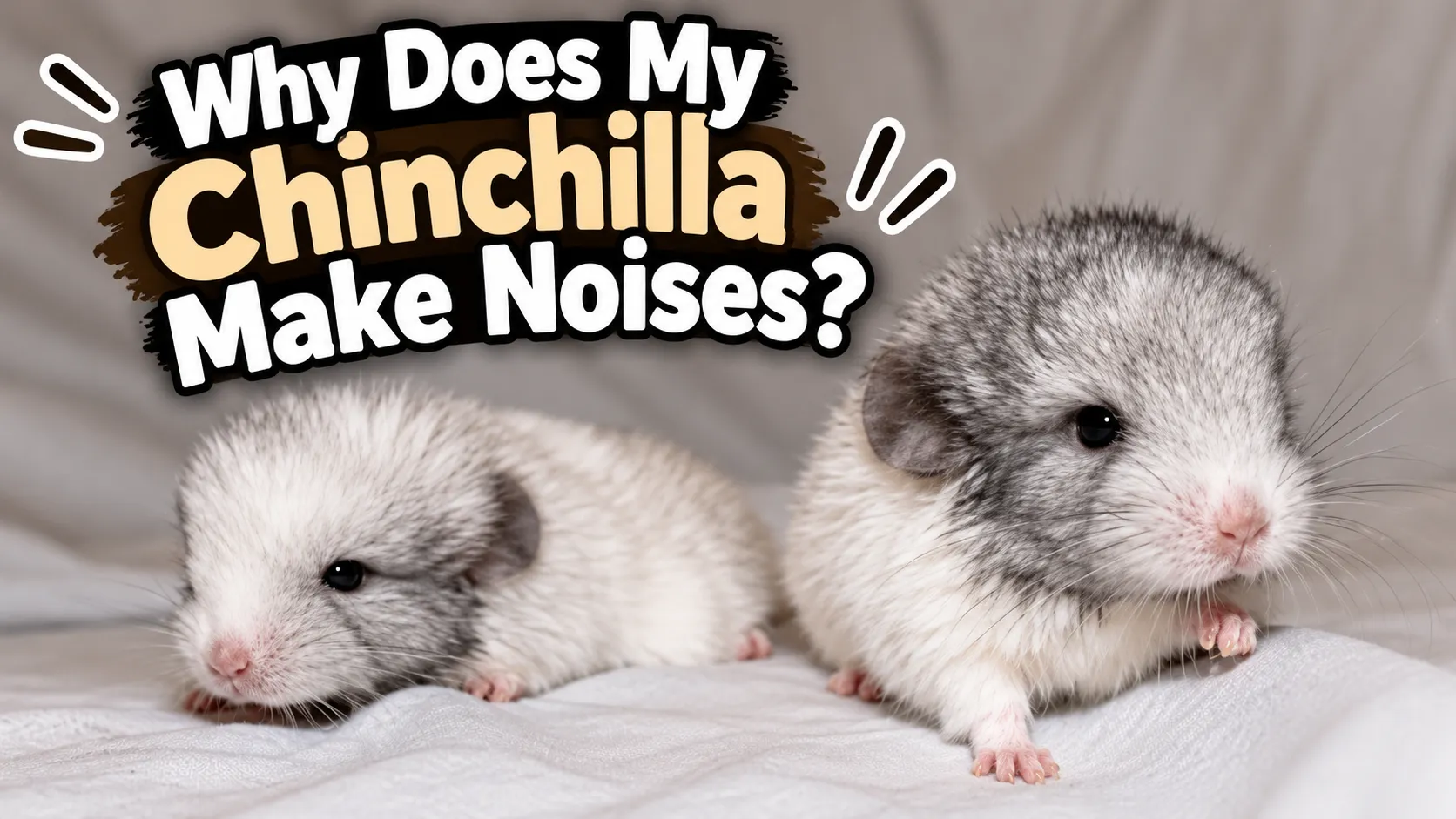
Why Does My Chinchilla Make Noises?
Chinchillas are small, active pets, and many of their “noises” are normal communication. A concrete starting point: record what you hear for 2 minutes (time of day, noise type, activity level, and whether your chinchilla eats or moves). That simple note can separate typical sounds like chattering from urgent breathing or pain signals. Because your chinchilla’s small size can make illness progress quickly, it helps to know which sounds are usually behavior and which need a prompt vet call.
What Chinchilla Noises Can Mean
Chinchillas make several kinds of sounds, and the meaning often depends on context. Some noises happen during play, dust bathing, or social interaction, while others show stress, discomfort, or changes in health. Many owners describe their chinchilla as “talking,” “snorting,” or “chirping,” but the key clues are posture and behavior at the same time.
Focus on patterns rather than a single noise. Is your chinchilla eating and using their hide and dust bath? Are they alert and moving normally? Are they hiding more than usual? When you can match the noise with body language, you reduce guesswork and make smarter decisions about whether home care is reasonable or a vet visit is needed.
Because the current evidence you have is limited, treat this as guidance for observation and decision-making, not a diagnosis.
Happy Excitement And Social Sounds
When chinchillas are feeling safe and engaged, they may make short, rhythmic noises while exploring, climbing, or interacting with you. Many owners notice chatter-like sounds during play or when their chinchilla is anticipating attention or a treat. The biggest clue that it is positive is the overall body picture: ears up, bright eyes, relaxed stance, and continued normal eating and movement.
Social noises can also show interest in a cage mate or curiosity about your presence. Some chinchillas “answer” you with small sounds when spoken to softly. Avoid sudden grabbing or loud environments during these moments, since even a normally social chinchilla can become stressed if handling is abrupt.
Stress, Fear, And Environmental Triggers
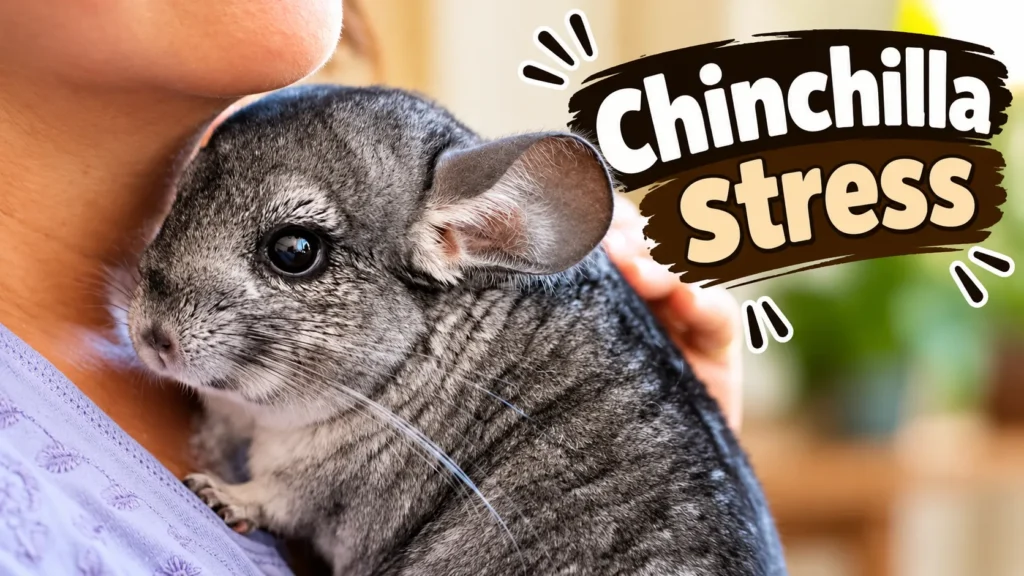
Chinchillas are sensitive to environmental changes. Noise can increase when they are startled, chilled, overheated, or dealing with stressful handling. Stress sounds may accompany restlessness, frantic movement, tail twitching, crouching, or hiding. If the “noise problem” began after a new cage location, a different roommate, a loud appliance, or a change in your schedule, the timing can be a strong clue.
Many owners unknowingly create triggers through inconsistent handling. Some chinchillas make noises when they are picked up quickly, when their bedding changes suddenly, or when they do not get a stable routine for out-of-cage time. You can reduce stress by keeping the cage in a low-traffic, quiet room and making all interactions predictable.
Respiratory Noises And When To Act
Breathing-related sounds are the most important category to sort out. If your chinchilla makes noises that sound like wheezing, repeated snorting, open-mouth breathing, or persistent coughing, treat that as a potential respiratory issue. Chinchillas can deteriorate faster than many owners expect, so it’s better to be cautious.
At home, you can observe without forcing anything: watch breathing rate while your chinchilla is calm, note posture, and check whether they are still eating. If the noise continues, escalates, or comes with reduced appetite, lethargy, or visible breathing effort, contact an exotics veterinarian promptly. If your chinchilla is in active breathing distress, seek urgent care.
| Observation | More Likely Normal | Call Vet Promptly |
|---|---|---|
| Breathing effort | No obvious effort, calm breathing | Open-mouth breathing, heavy effort, persistent wheeze |
| Appetite | Eating normally, eager for hay | Reduced eating or ignoring preferred foods |
| Energy | Alert, moving, interactive | Lethargic, hiding, reluctant to move |
| Duration | Short noise with normal recovery | Ongoing or recurring within the same day |
If your chinchilla shows breathing distress, contact an exotics veterinarian urgently rather than waiting it out. Home remedies are not a substitute for evaluation.
Pain, Gi Discomfort, And Other Health Clues
Noise can come from discomfort. Chinchillas may vocalize when they are in pain, when they feel unwell, or when something in their environment is irritating them. Pay attention to related signs like droppings changes, posture changes, and appetite. Pain signals are more concerning if they include trembling, guarding a certain area, hunched posture, or strong reluctance to move.
Gastrointestinal discomfort can also change how a chinchilla sounds, especially if they are straining, moving slowly, or acting “off.” Chinchillas rely on constant access to appropriate hay and consistent diet, so a disruption can quickly affect comfort. If your chinchilla is making noises and you also see fewer droppings, smaller droppings, or no normal hay intake, treat that as a red flag.
Normal Noises By Age And Routine
Chinchillas are crepuscular (most active around dawn and dusk), so you may notice more movement and more sounds during these windows. That schedule can make the noises feel “mysterious,” especially if you only observe during daytime. Normal vocalizations can also be tied to dust bathing, which is a daily or frequent activity for many chinchillas. If sounds happen while your chinchilla is dust bathing and still eating, they may be part of normal behavior.
Routine matters. Some chinchillas make noises when they anticipate their hay refill, when they notice you nearby, or after a consistent feeding schedule. Keep an eye on whether the noise is accompanied by normal behaviors, like jumping to their favorite level and eating hay consistently.
Kits And Young New Adoptions
For young chinchillas under 6 months, expect a “learning phase.” Noises can increase during novelty, cage adjustment, and new handling. Offer stable routines, allow them to settle before intensive handling, and monitor appetite closely.
Adults (1-7 Years)
For adults, normal sounds usually align with predictable daily activities. A sudden change in noise type, duration, or the amount of time your chinchilla spends hiding is more important than the noise itself.
Seniors (7+ Years)
For seniors over 7 years, even small changes should be taken seriously. A senior who starts vocalizing more, breathing differently, or eating less should be examined sooner.
What To Check At Home Tonight
A careful home check can help you decide whether you are seeing normal communication or a problem that needs a veterinarian. Do this while your chinchilla is calm, using minimal disturbance. Keep lighting steady and avoid loud interactions.
Start with a quick environment scan. Temperature swings and poor ventilation can affect comfort and breathing. Check that the room is not too hot, the bedding is clean and dry, and the cage is placed away from drafts or direct heat sources. Also look at the water bottle, hay availability, and any recent changes to diet or treats.
One practical tool is a short audio or notes log: noise type, duration, and what your chinchilla was doing. For persistent respiratory sounds, do not wait multiple days. Schedule a vet check if breathing-related noises persist for more than 24 hours or earlier if appetite drops or breathing looks labored.
From my clinical experience, chinchillas often show early behavior changes (hiding, reduced appetite) before the most obvious medical signs. If you are seeing both, it is a good time to contact an exotics vet.
Preventing Noise Triggers Long Term
Long-term reduction of “mystery noises” comes from consistent husbandry and calm, predictable handling. Start with the basics: stable cage placement, appropriate bedding, clean water access, and a diet centered on hay. Chinchillas are also dust-bath sensitive, so dust bath routines should be consistent and kept hygienic to avoid irritation.
Handling should be gentle and confidence-building. Many chinchillas respond well when you slow down your approach, use a quiet voice, and allow them to choose to come closer. Reinforce calm behavior with patience rather than force. If a specific routine change caused the noises (new cage, new bedding, new household noise), reverse the change when possible and reintroduce slowly.
When it comes to costs, small observation issues may be resolved with husbandry tweaks, but any respiratory concern usually requires an exotics veterinary exam (typical visit fees vary by location, and diagnostics can add additional cost). If your pet needs urgent care, costs can be higher.
Quick Summary
Chinchilla noises are often communication, especially during normal activity like climbing or dust bathing. Context matters most, so watch posture, appetite, droppings, and whether the noise is breathing-related. Sudden changes, persistent or escalating sounds, reduced eating, or signs of breathing effort should prompt an exotics vet call. Long-term, stable cage placement, consistent routines, calm handling, and careful observation can prevent many stress-related noises.
FAQ
Are Chinchilla Noises Ever Normal Chatter?
Many chinchillas make short, rhythmic sounds during play, exploration, or social interaction. Normal chatter usually comes with relaxed posture, alert eyes, and normal eating. If the noise starts suddenly, lasts longer than usual, or is paired with hiding or breathing effort, contact an exotics veterinarian.
What Breathing Sounds Need A Vet?
Wheezing, open-mouth breathing, persistent snorting, or repeated coughing, especially with reduced appetite or lethargy, warrants prompt veterinary evaluation. It is safer to call sooner if breathing seems labored or the sounds persist beyond a day.
How Do I Tell Stress From Illness?
Stress-related sounds often match changes in environment or handling and come with otherwise normal appetite and energy. Illness is more likely when noises pair with reduced hay intake, changes in droppings, hunched posture, or ongoing breathing effort. When in doubt, observe closely and contact an exotics vet.